



Williams' Vowles reveals multiple proposals to fix F1's 'energy-starved' 2026 cars
Williams team principal James Vowles has confirmed that Formula 1 stakeholders are actively evaluating four to five different proposals to address the significant 'energy-starved' performance of the sport's next-generation cars set for 2026. The early signs from the 2026 regulations have been met with widespread criticism from drivers and fans, primarily due to a compromised driving experience where cars cannot complete a lap at full power, forcing drivers to lift and coast excessively.
Why it matters:
The core appeal of Formula 1 is the spectacle of drivers pushing cars to their absolute limit. If the 2026 regulations force drivers to manage severe energy deficits to the point of lifting off the throttle on straights, it fundamentally alters the racing product and risks alienating the fanbase. Finding a technical solution before teams lock in their final designs is critical to preserving the sport's competitive integrity and entertainment value.
The Details:
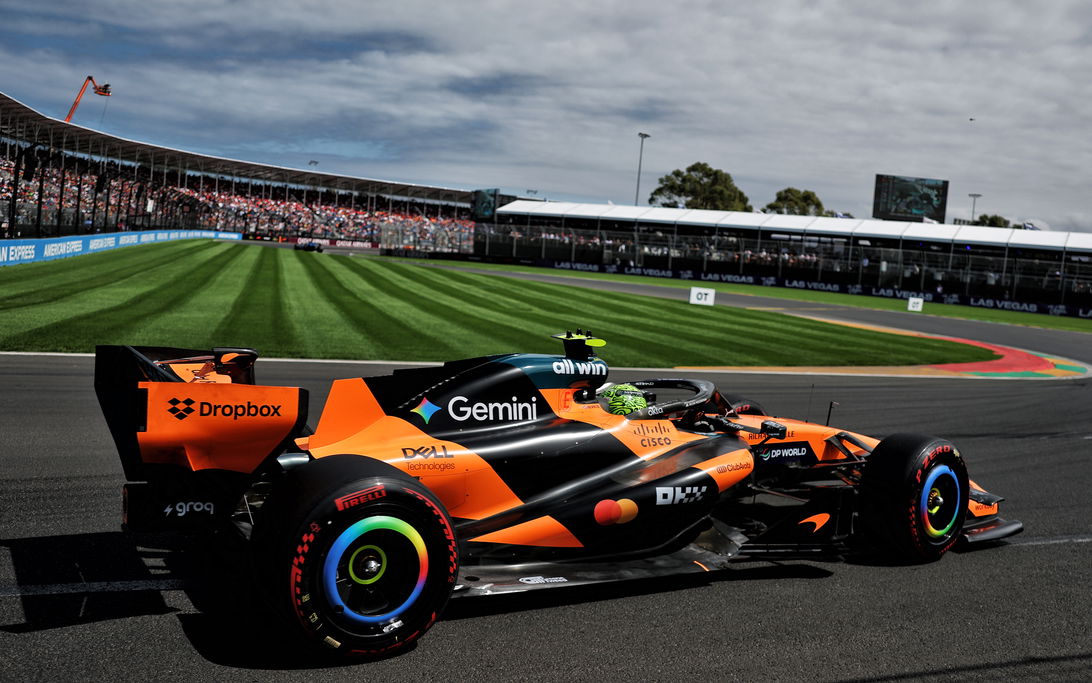
- Vowles described the current 2026 car concept as "a little bit energy-starved," noting that tracks like Albert Park in Melbourne are among the worst-case scenarios for the new power units.
- The root cause is the increased reliance on electrical energy from the hybrid system, which lacks sufficient recovery opportunities on circuits with few heavy braking zones.
- Multiple Solutions on Table: Up to five different proposals are being discussed by teams and the FIA to improve the show. Vowles emphasized the need to avoid rushed changes that could make the situation worse.
- Technical Adjustments: One specific idea floated is increasing 'super clipping'—the process of diverting energy to the battery instead of the rear wheels under full throttle—from 250kW to 350kW.
- This would sacrifice some top speed but provide more usable electrical energy, reducing the need for lift-and-coast maneuvers.
- Internal Combustion Engine (ICE) Tweaks: Changes to the traditional engine component are also possible, indicating a holistic review of the entire power unit formula is underway.
What's next:
Immediate changes are not expected, as the sport is taking a measured approach. The focus is on gathering more data from the upcoming flyaway races, particularly the Chinese Grand Prix at the Shanghai International Circuit, which may present similar energy challenges.
- Vowles stated any concrete rule tweaks would only be considered after the Shanghai event, with Suzuka providing another valuable data point.
- The goal, as stated by Vowles, is for the sport to "come together and change the right way" to ensure F1 remains an enjoyable product for fans, even if he admits the current regulations are "too complicated."
Original Article :https://www.motorsport.com/f1/news/williams-four-to-five-proposals-on-table-to-f...