






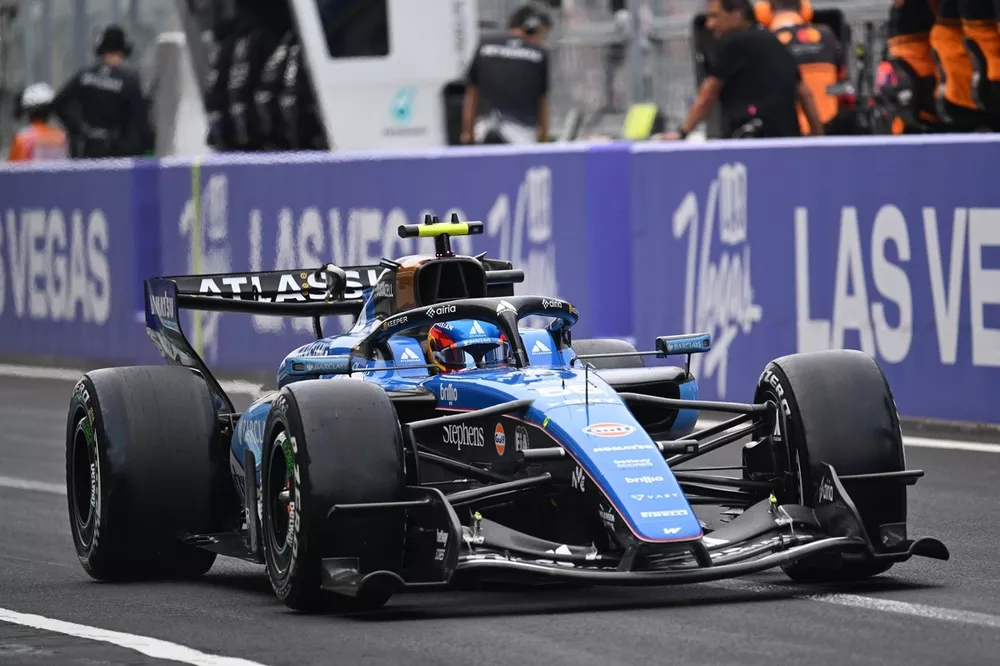
Williams targets weight reduction on FW48 to revive 2026 campaign
Summary
Williams has only two points in 2026 and its FW48 sits 28 kg over the limit. A weight‑loss programme aims to get the car under the minimum by the Italian GP, using ballast for balance and reducing tyre wear to boost competitiveness.
Williams' 2026 campaign has stalled at just two points, and the team is still wrestling with an overweight FW48 despite running the grid‑best Mercedes power unit. The chassis missed its Barcelona shakedown after four failed crash tests and arrived 28 kg over the minimum, forcing excess ballast, higher tyre wear and a loss of balance. With the cost‑cap still in force, shedding weight is the most efficient way to gain pace without extra spending.
Why it matters:
- Weight is the cheapest performance gain under the tight cost‑cap regime.
- Excess ballast compromises balance and tyre wear, limiting the Mercedes engine’s potential.
- Getting under the limit would let Williams use ballast strategically and fight for points.
- Under the current cost‑cap, a lighter car delivers the biggest on‑track advantage without breaching budget limits.
The details:
- Four crash‑test failures and a late FIA homologation left the FW48 28 kg overweight.
- Designed by Pat Fry (technical director) and Matt Harman (engineering director); Vowles says the weight‑loss steps are already in his inbox.
- Williams will trim mass at the Miami GP, then introduce a brand‑new chassis in the summer, which will require fresh crash tests.
- The target is to be under the minimum weight by the Italian Grand Prix, allowing ballast to optimise balance and curb tyre degradation.
- Timing the cuts with component life‑cycles keeps the programme within the cost cap.
What's next:
- The Miami trim could shave tenths of a second per lap; the new chassis aims for about a one‑second gain.
- If successful, Williams could climb out of the back‑marker pack into midfield contention for the rest of 2026.
- Driver input—Sainz’s precise feedback and Albon’s adaptability—will be crucial to turn hardware gains into points.
Original Article :https://www.motorsport.com/f1/news/the-28kg-problem-that-gives-williams-hope-for...