




Williams' rude awakening in F1's new era
Williams entered F1's 2026 regulation overhaul with ambitious plans to capitalize on the reset, but instead finds itself languishing at the back of the grid with a car plagued by fundamental issues. The team's stark reality check highlights the gap between its rebuilding project and the sport's top teams, casting doubt on its immediate trajectory and testing the leadership of James Vowles.
Why it matters:
After a promising fifth-place finish in 2025, Williams' dramatic step backwards in 2026 serves as a cautionary tale about the immense complexity of F1's new technical era. It tests the team's long-term strategy, the confidence of its star driver lineup, and the credibility of its recovery plan under Vowles and owners Dorilton Capital.
The details:
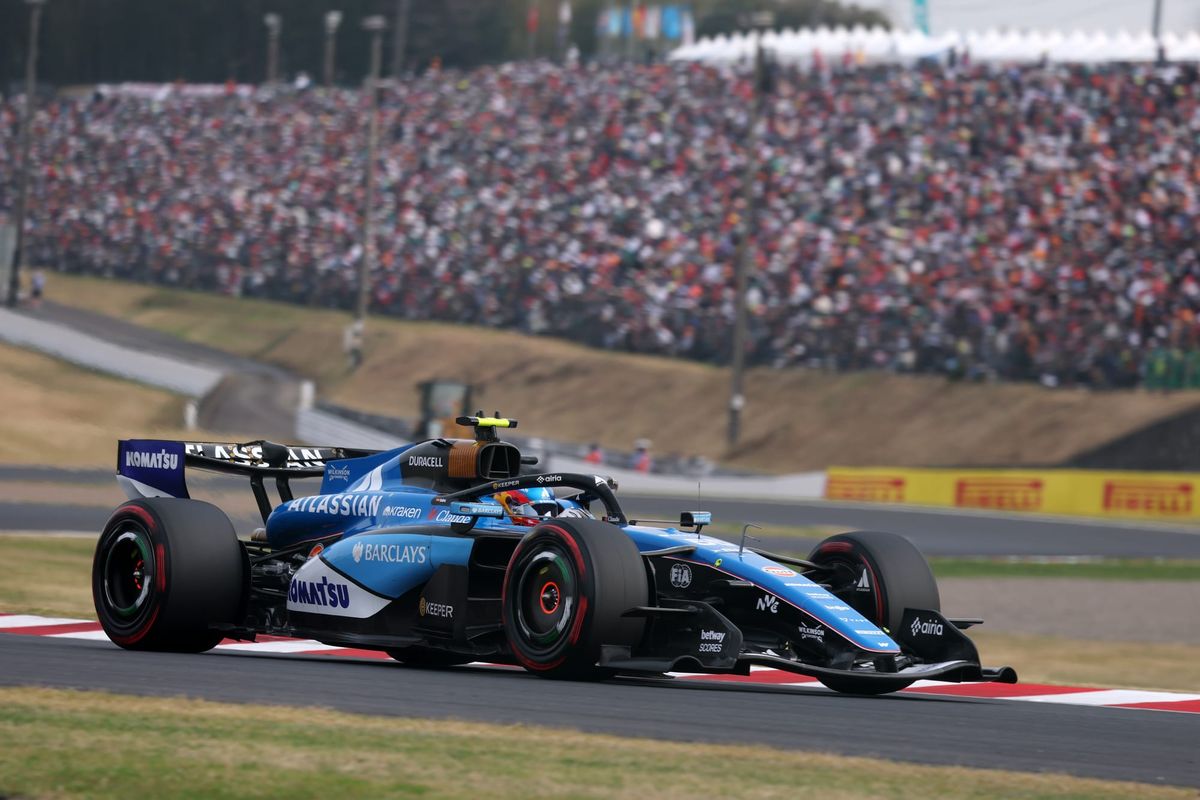
- Weight Crisis: The FW48 arrived significantly overweight, by an estimated 28kg as of the Japanese GP, costing nearly a second per lap. This stemmed from crash-test countermeasures and manufacturing delays caused by overloaded internal systems struggling with a car Vowles called "three times more complicated" than its predecessor.
- Aerodynamic & Mechanical Flaws: Beyond pure weight, the car lacks downforce. A more critical, persistent issue is a "three-wheeling" characteristic—where a tire lifts in corners—compromising mechanical grip and aerodynamics. This problem, linked to the car's unique suspension geometry and platform control, has dogged Williams for years.
- Driver Discontent: Star signings Carlos Sainz and Alex Albon have expressed frustration. Sainz called the setback a "big" shock, while Albon has voiced concerns over being heard on technical issues. Their patience is a key variable for Williams' stability.
- Leadership Under Scrutiny: Team Principal James Vowles has taken responsibility for the operational failure but faces his biggest test. The concern is that similar early-season problems occurred in 2024, suggesting unresolved systemic issues despite overall progress.
What's next:
Williams' immediate recovery effort begins with a significant weight reduction upgrade scheduled for the Miami Grand Prix. The team's stated goal remains an ambitious fifth in the championship, requiring a rapid return to the front of the midfield.
- The coming races will determine if this is a temporary, painful bump on an upward trajectory—as Sainz suggested could ultimately strengthen the team—or a sign of deeper flaws in its structure and simulation capabilities.
- Retaining the faith and services of Sainz and Albon is paramount. Their decisions will be a clear barometer of external confidence in Williams' project.
- For Vowles, the challenge is twofold: orchestrating a swift in-season recovery and proving the team can learn from this adversity to deliver a competitive car for 2027.
Original Article :https://www.the-race.com/formula-1/why-new-f1-era-has-been-such-a-rude-awakening...