






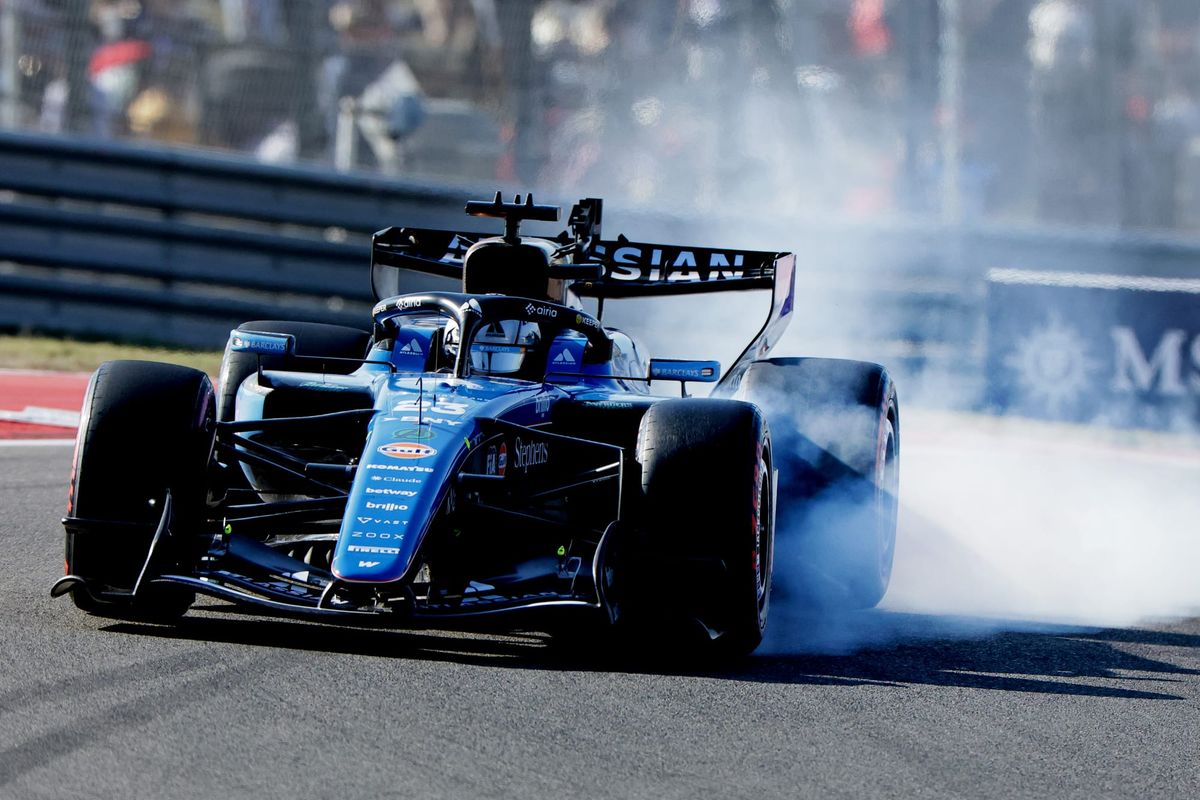
Williams Prioritizes 2027 Development Over US Grand Prix Pace
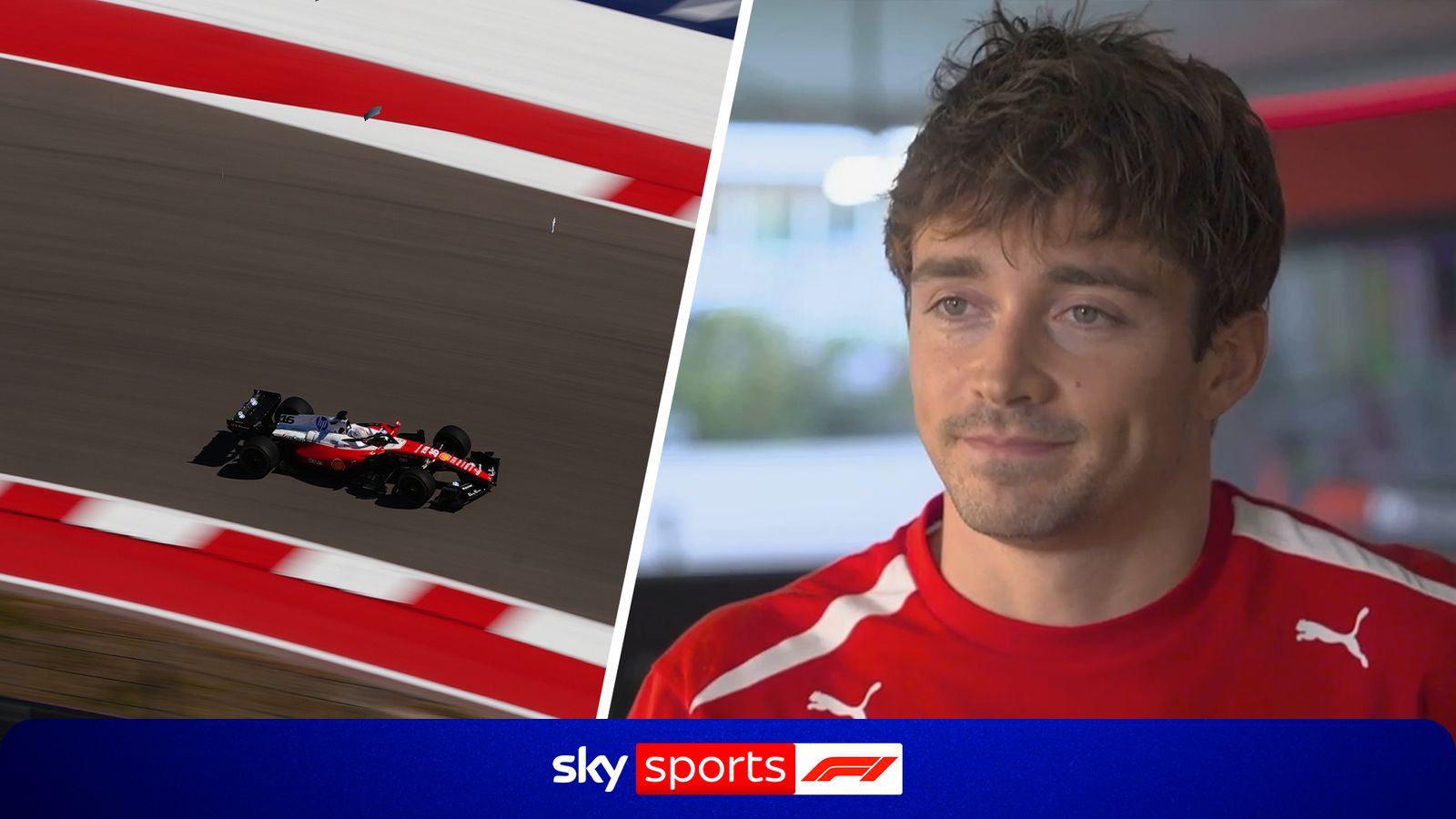
Williams looked completely out of depth during Friday practice at the United States Grand Prix, with Alex Albon trailing the lead by a staggering 8.1 seconds in FP2. While the timing screens suggested a crisis, the reality was a calculated gamble to trade current lap times for long-term technical gains.
Why it matters:
The Circuit of the Americas is a grueling venue that exposes every fundamental flaw in a car's aerodynamic package. By acknowledging that their 2026 chassis is severely lacking in downforce, Williams is using this inherent weakness as a diagnostic tool, transforming a poor weekend into a data-gathering mission for the 2027 season.
The Details:
- Strategic Sacrifice: The team intentionally bypassed typical in-weekend setup work during FP1, instead focusing on aero testing using hard compounds to map the car's behavior.
- Performance Gap: The deficit was stark; Carlos Sainz struggled significantly, finishing behind Valtteri Bottas in the Cadillac, while Albon's times were further skewed by track-limit deletions.
- Technical Deficit: Both drivers reported a critical lack of confidence. Sainz described the car as a "mess" with no rear-end stability, while Albon noted zero confidence under braking.
- Environmental Factors: The combination of COTA's bumps, high speeds, and wind has amplified the car's downforce deficiencies, leaving the drivers exposed in high-speed sweeps.
- Race Pace Focus: FP2 shifted toward high-fuel long runs to evaluate race trim, though the data suggests Williams remains weak even within the midfield pack.
What's next:
Williams is bracing for a difficult weekend with no expectations of a miracle recovery. The primary objective has shifted from the podium to the wind tunnel, where the data captured at COTA will be used to refine the 2027 design and ensure these aero shortcomings are not repeated.
Original Article :https://www.the-race.com/formula-1/what-was-behind-williams-f1-team-strangest-da...