







Williams Finds Pace in Baku with New Lightweight Chassis
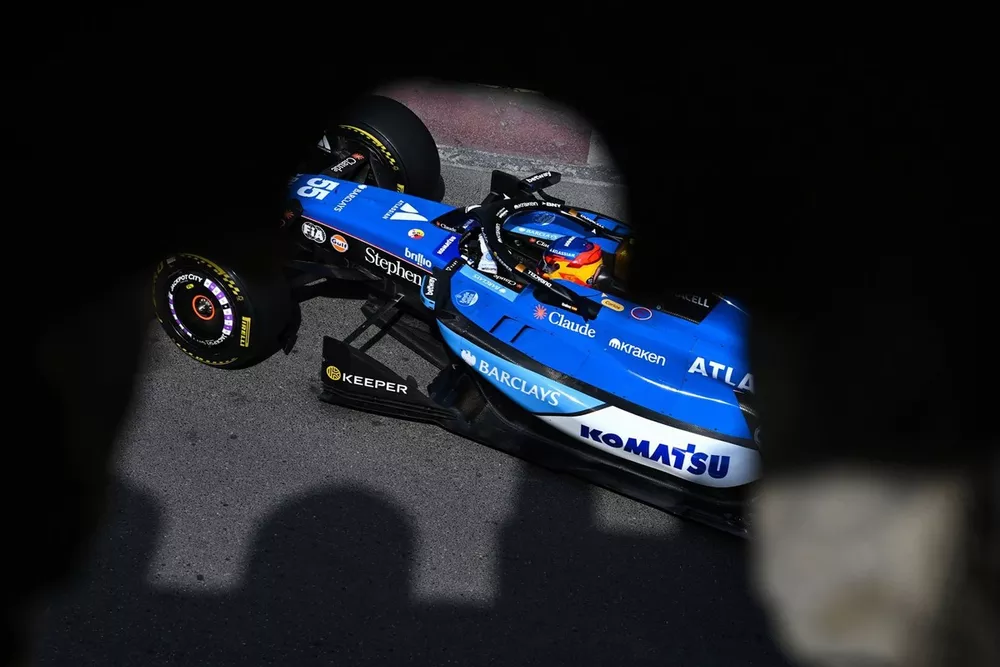
Williams has finally addressed the weight penalty that plagued the start of their 2026 campaign. The introduction of a brand-new chassis at the Azerbaijan Grand Prix delivered an immediate boost in qualifying performance, signaling a critical shift in the team's technical trajectory.
Why it matters:
Solving the weight issue is a fundamental prerequisite for aerodynamic development. By hitting their mass targets, Williams can now stop compromising between weight reduction and downforce. This allows the engineering team to focus purely on aero efficiency for the remainder of the season and provides a stable foundation for the 2027 car.
The details:
- Immediate Gains: Carlos Sainz reached Q3 for the first time this year, qualifying 9th, while Alex Albon secured 13th. This marks a significant jump from their previous bests in Montreal and Monaco.
- Technical Shift: The new chassis is lighter and provides more load, though Sainz noted that underlying balance issues remain that can only be solved via a full redesign.
- Development Cycle: Albon highlighted that this was a massive project—typically a six-month endeavor—that successfully hit its targets, moving the team away from constant discussions about weight.
Between the lines:
While the Baku results are encouraging, the venue's layout—dominated by long straights—may be masking the car's deficiencies. Both drivers acknowledged that the street circuit suits their current package, meaning the jump in positions might be more of a track-specific advantage than a total cure for the car's handling flaws.
What's next:
The upcoming round in Sepang will serve as the real litmus test. With a layout featuring high-speed, sweeping corners—which are non-existent in Baku—Malaysia will reveal whether the new chassis provides genuine versatility or if the performance gain is limited to low-drag circuits.
Original Article :https://www.motorsport.com/f1/news/williams-upgrade-delivering-baku-overachievem...