



Williams' 2026 Car Weight Woes: A 'Painful' Path to Performance
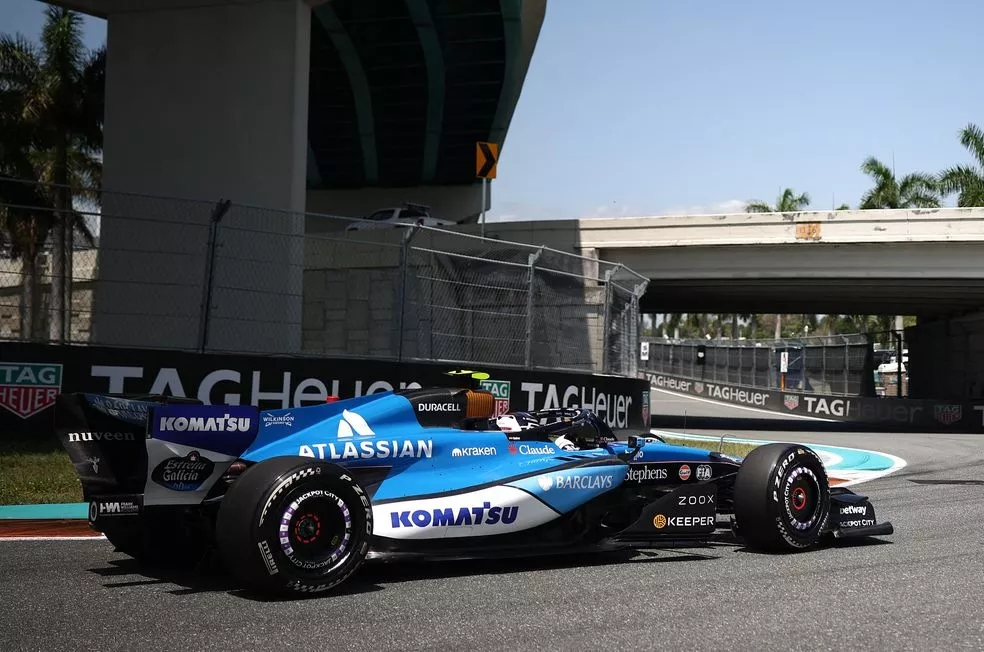
Williams is grappling with a significantly overweight 2026 Formula 1 car, with team principal James Vowles citing 'painful mechanisms' within the cost cap era that are slowing critical weight reduction efforts. The FW48 is understood to be 28kg above the regulated minimum weight of 768kg, contributing to a slow start that has left the team ninth in the standings with just two points after three rounds.
Why it matters:
In the tightly regulated world of modern F1, excess weight is a direct performance penalty, impacting acceleration, braking, and tire wear. For a midfield team like Williams that showed strong progress in 2025, starting the new regulation cycle with such a handicap jeopardizes its ability to build momentum and compete for crucial points, potentially setting back its long-term recovery trajectory.
The details:
- The team has brought seven updated components to the Miami Grand Prix, with weight reduction as the priority, but driver Carlos Sainz believes the full benefits won't be felt until later in the year.
- Vowles confirmed only "a couple of kilos" were removed in Miami, despite the engineering work for the ideal weight being complete.
- The delay stems from the need to integrate weight-saving measures with aerodynamic updates efficiently under the cost cap. Vowles explained they could print lighter parts immediately without the financial restrictions, but must pair weight loss with performance gains.
- Root of the Problem: Vowles described a "messy" off-season, the first full car build under new internal Enterprise Resource Planning (ERP) and Product Lifecycle Management (PLM) systems implemented years ago. Hundreds of small inefficiencies emerged when the new, vastly more complex 2026 car stressed the system.
- Complexity and Delays: The 2026 car is about "one and a half to two times more complex" than its predecessor. Production started late to maximize wind tunnel development time, and subsequent delays and crash test challenges forced the team to add weight to parts simply to get them finished on time.
What's next:
Williams is now in a race against time to shed kilograms and climb the order. Vowles indicated development will continue until around the end of August, with the goal of returning to the "top of the midfield" by season's end. The situation underscores the immense challenge teams face in balancing innovation, complexity, and operational perfection under F1's strict financial and timing constraints.
Original Article :https://www.motorsport.com/f1/news/why-it-will-take-time-for-williams-to-reduce-...