


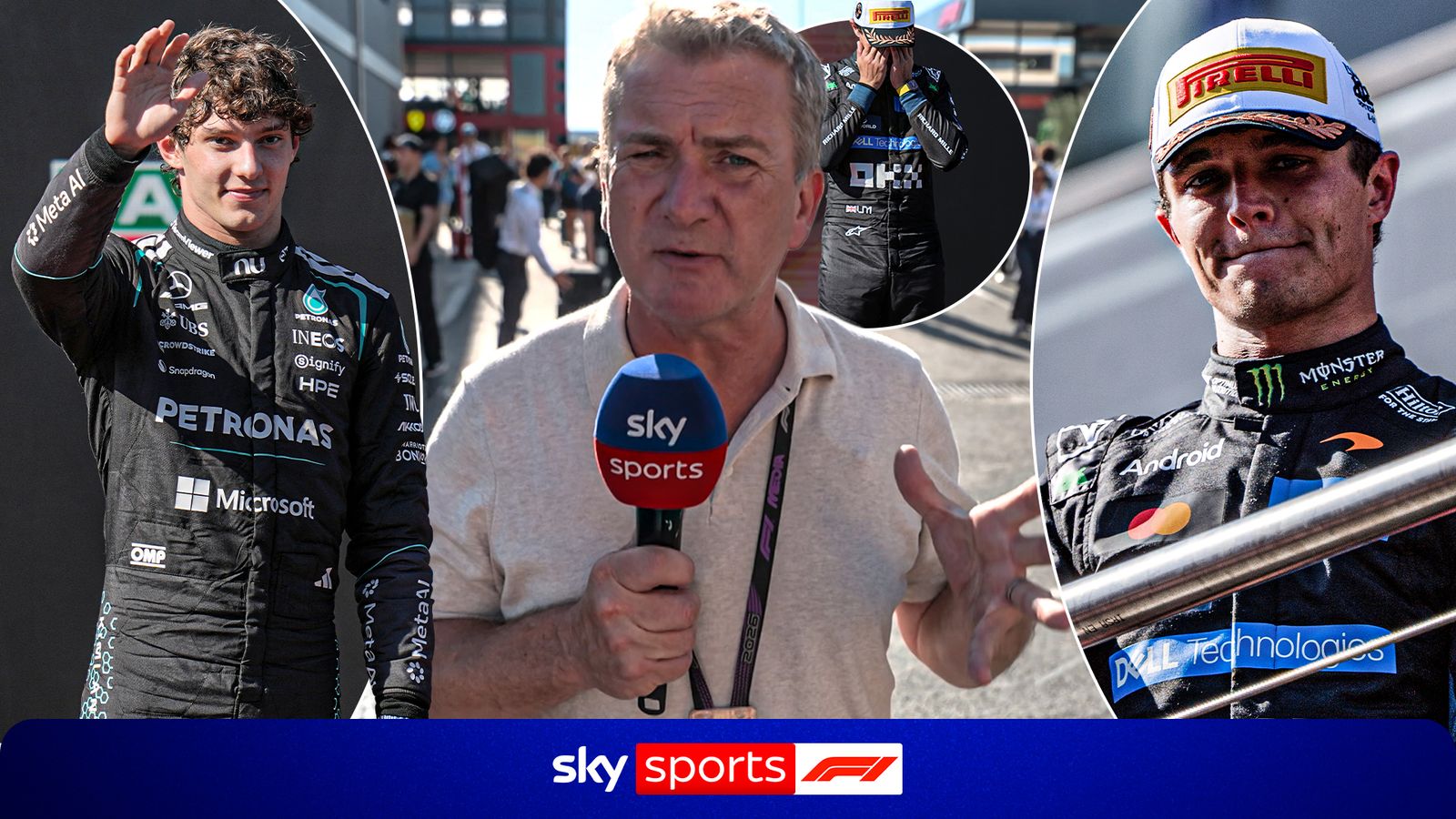


Why There's No Simple Fix for F1's VSC Problem After Norris's Spanish GP Loss
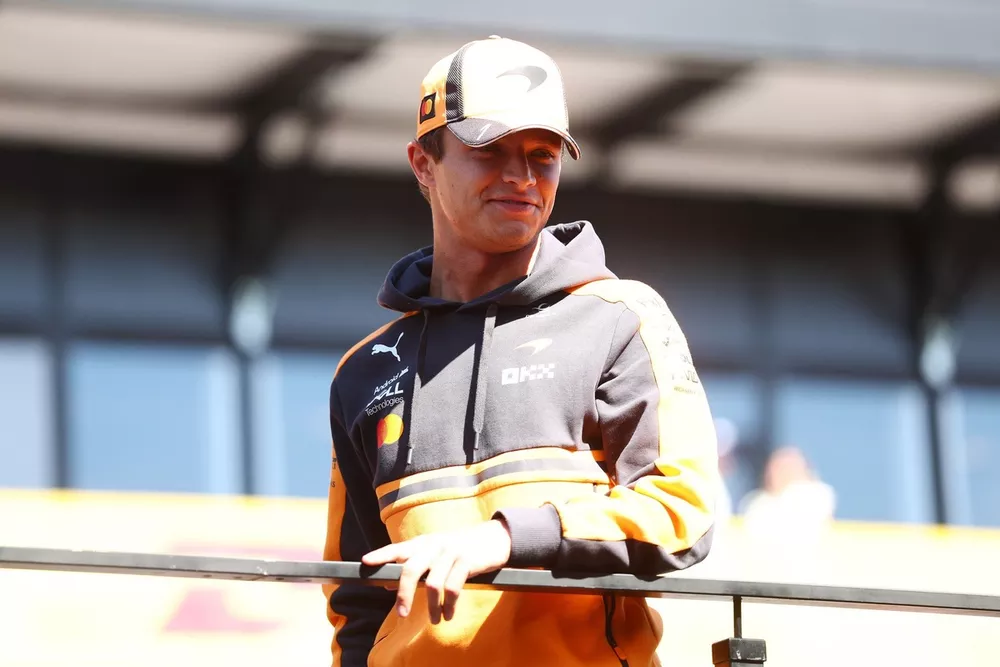
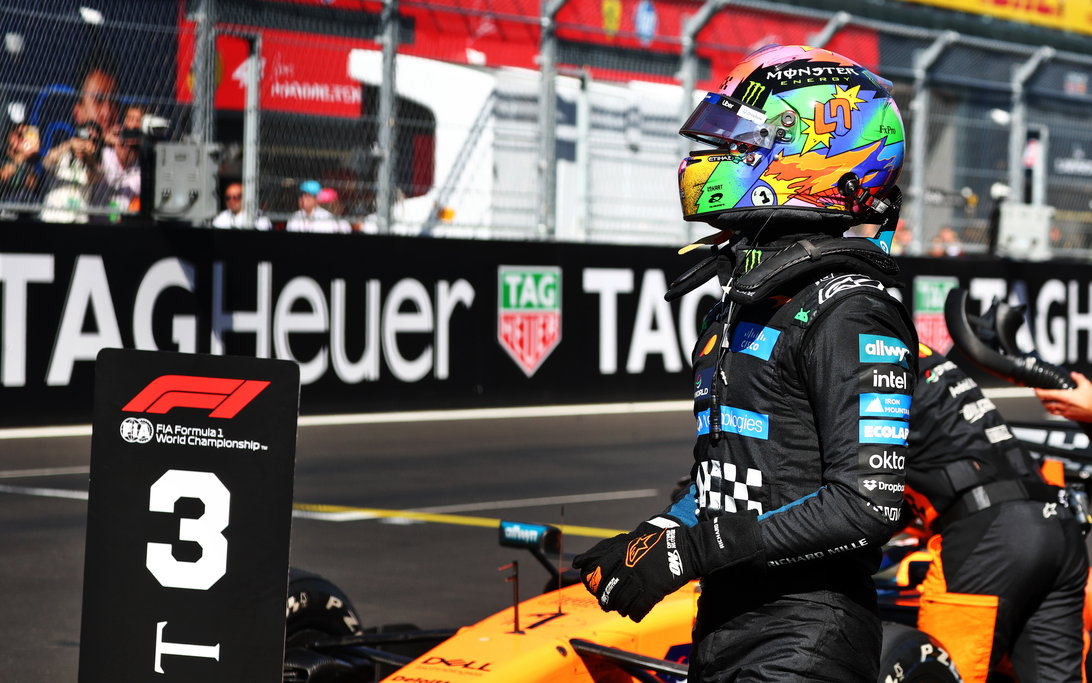
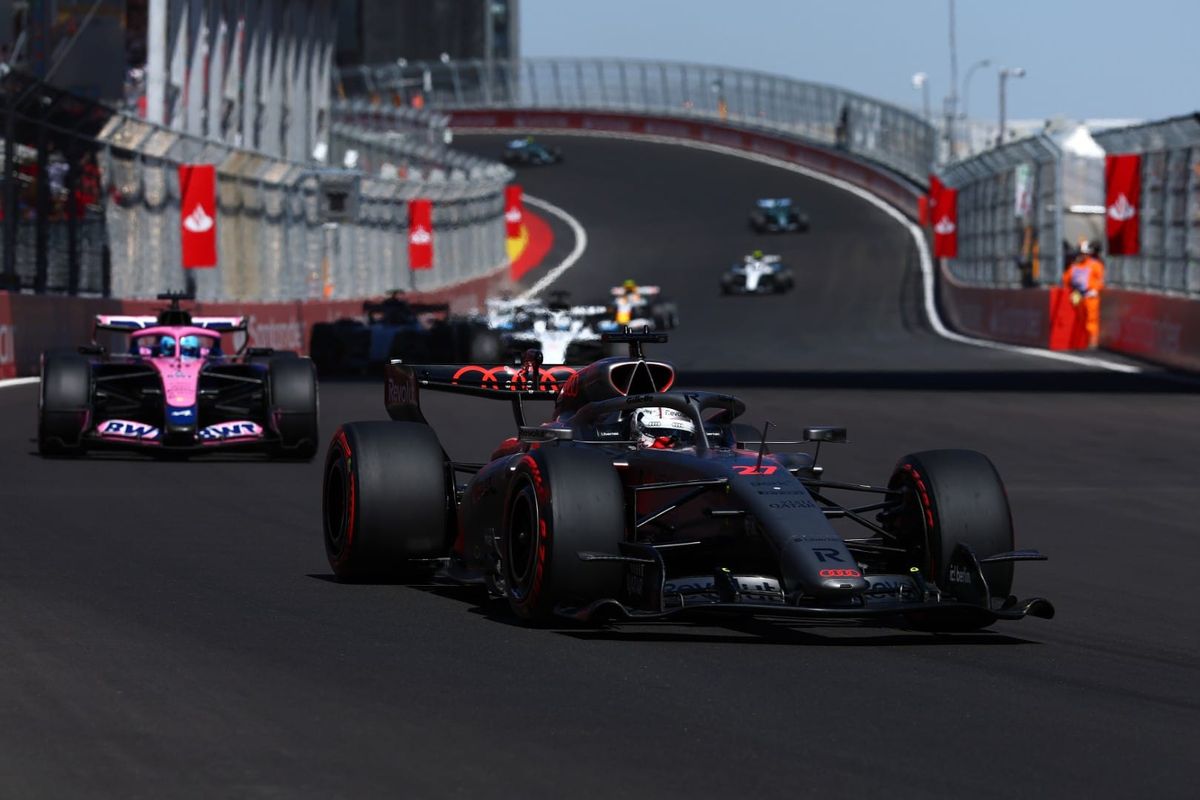
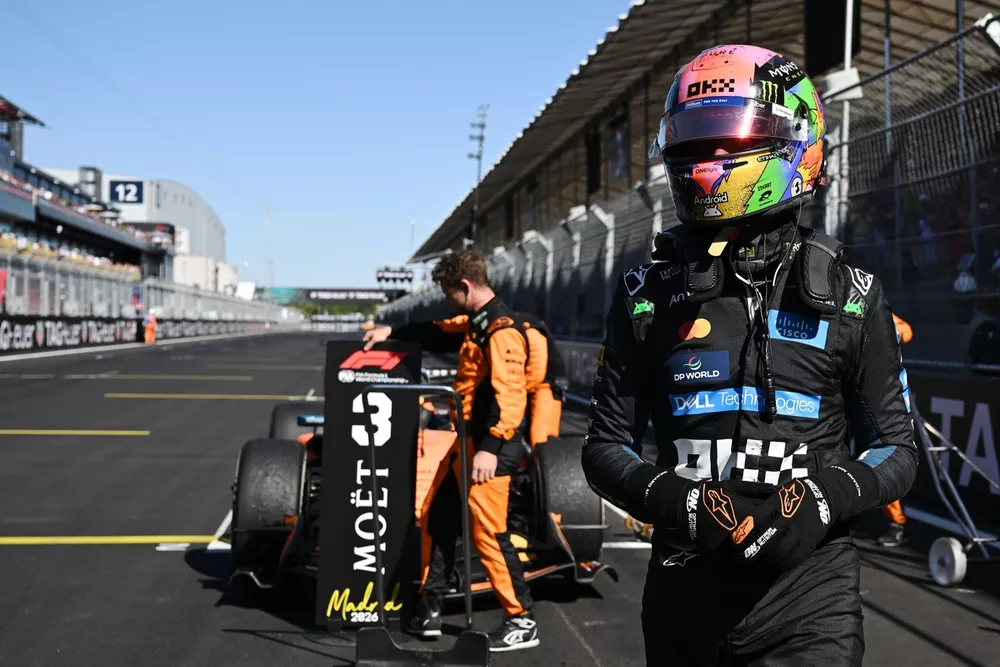
Lando Norris lost a Formula 1 race win through no fault of his own or his team's — only because a virtual safety car was triggered moments after he passed the pit entry. The McLaren driver had to settle for P3 in the Spanish Grand Prix at Madrid, while rivals who were no match for his pace got a cheap stop. The result has reignited the debate over VSC rules, but as Norris himself acknowledged, there are no simple answers.
Why it matters:
The VSC timing turned the race into a lottery, and the fallout highlights a growing tension between safety protocols and sporting fairness. With the championship battle heating up, a single unlucky VSC can swing a title — and the current rules offer no recourse.
The details:
- The incident: Stroll's retirement on lap 14 triggered a VSC just seconds after Norris passed the pit entry. He couldn't box until the next lap, by which time the track was green again. His main rivals pitted for free.
- Proposal 1: Close the pitlane under VSC. That would have prevented cheap stops in Madrid, but it's impractical and unsafe — accidents often leave damaged cars needing to pit, and defining "damage" would create grey areas.
- Proposal 2: Make every VSC last at least one full lap. That sounds fair, but it doesn't hold up. If Norris had pitted earlier, a guaranteed full-lap VSC would actually hand the advantage to a rival like Kimi Antonelli, regardless of how quickly the incident was cleared.
- The core issue: Race control's only priority is safety. Sporting outcomes are not — and should not be — a factor in deployment decisions.
The big picture:
Norris said he "can't really complain" and hopes it doesn't happen again. But there's no clean fix. As he put it, the sport isn't always fair — and the longer the debate goes, the clearer it becomes that the simplest solution is accepting that reality. The drivers may raise the issue in Baku, but don't expect a rule change soon.
Original Article :https://www.motorsport.com/f1/news/why-f1-should-avoid-knee-jerk-rule-changes-af...