




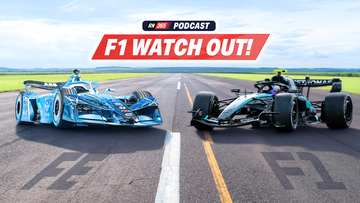
Why F1 Throne Is Under Threat From Formula E
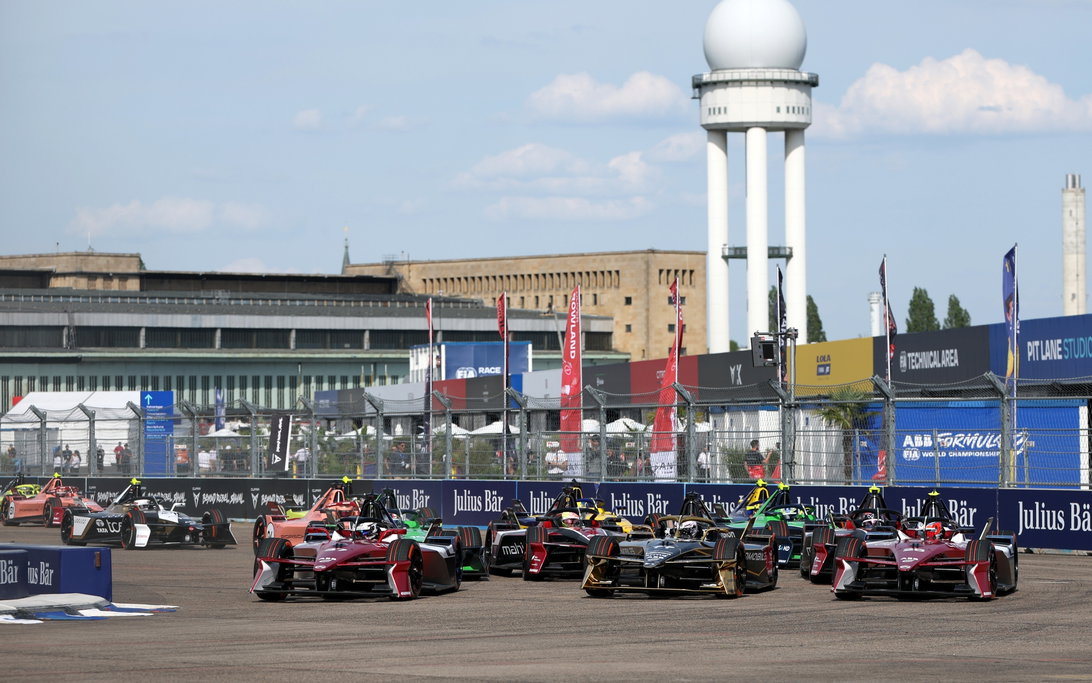
Formula E is no longer a niche sideshow. As the 2026 season unfolds, the all‑electric series is increasingly seen as a genuine rival to Formula 1’s crown, drawing top manufacturers, younger demographics, and even some F1 insiders who admit the threat is real.
Why it matters:
F1 has enjoyed unprecedented growth in recent years, but its position as motorsport’s undisputed king is being tested. Formula E’s lower costs, city‑centre circuits, and sustainability‑aligned message resonate in an era where automakers and fans are prioritising green credentials. If current trends continue, the championship could chip away at F1’s audience and talent pool.
The details:
- Viewership growth: Formula E’s global TV audience has risen steadily, with key races now attracting over 350 million cumulative viewers – a figure that narrows the gap with F1 in several markets.
- Manufacturer exodus?: After Porsche, Audi, and Jaguar exited F1 or scaled back, they invested heavily in Formula E. Now, with the 2026/27 car gen, even more OEMs are considering joining, while F1’s 2026 engine regulations remain complex and costly.
- Youth appeal: Formula E’s shorter races, fan‑interactive “Attack Mode,” and urban locations (e.g., Monaco, São Paulo, Jakarta) attract a younger demographic. Surveys show 18‑34‑year‑olds are increasingly split between the two series.
- Cost advantage: An entire Formula E team budget is around $15–20 million per season, compared to $150 million+ in F1. This opens doors for new entrants and reduces reliance on mega‑sponsors.
Between the lines:
F1’s leadership, including Stefano Domenicali, has publicly dismissed the threat, but behind the scenes there is concern. Liberty Media’s push for sustainability (net‑zero by 2030) is partly a response to Formula E’s positioning. Meanwhile, top F1 figures like Toto Wolff and Zak Brown have acknowledged the series is “catching up” in key areas.
What's next:
- Formula E’s 2026/27 regulations promise faster cars, smaller batteries, and more efficient powertrains – directly targeting F1’s performance narrative.
- Several F1 drivers, including Max Verstappen and Lewis Hamilton, have expressed interest in future Formula E projects, signalling a potential talent shift.
- The upcoming F1 2026 technical overhaul (active aerodynamics, lighter cars) is partly designed to reclaim the “most advanced” title, but the cost cap limits how quickly teams can innovate.
Formula E may not dethrone F1 overnight, but it is no longer a distant challenger. The throne, for now, remains F1’s – but the crown is wobbling.
Original Article :https://racingnews365.com/why-f1-throne-is-under-threat-from-formula-e