





Why F1's 2026 cars are unusually quick in Mexico
Summary
Charles Leclerc led both Mexico City practices as F1’s 2026 cars ran closer than ever to 2025 pace. Resurfacing, extra rubber and altitude’s reduced downforce penalty explain the surprising speed.
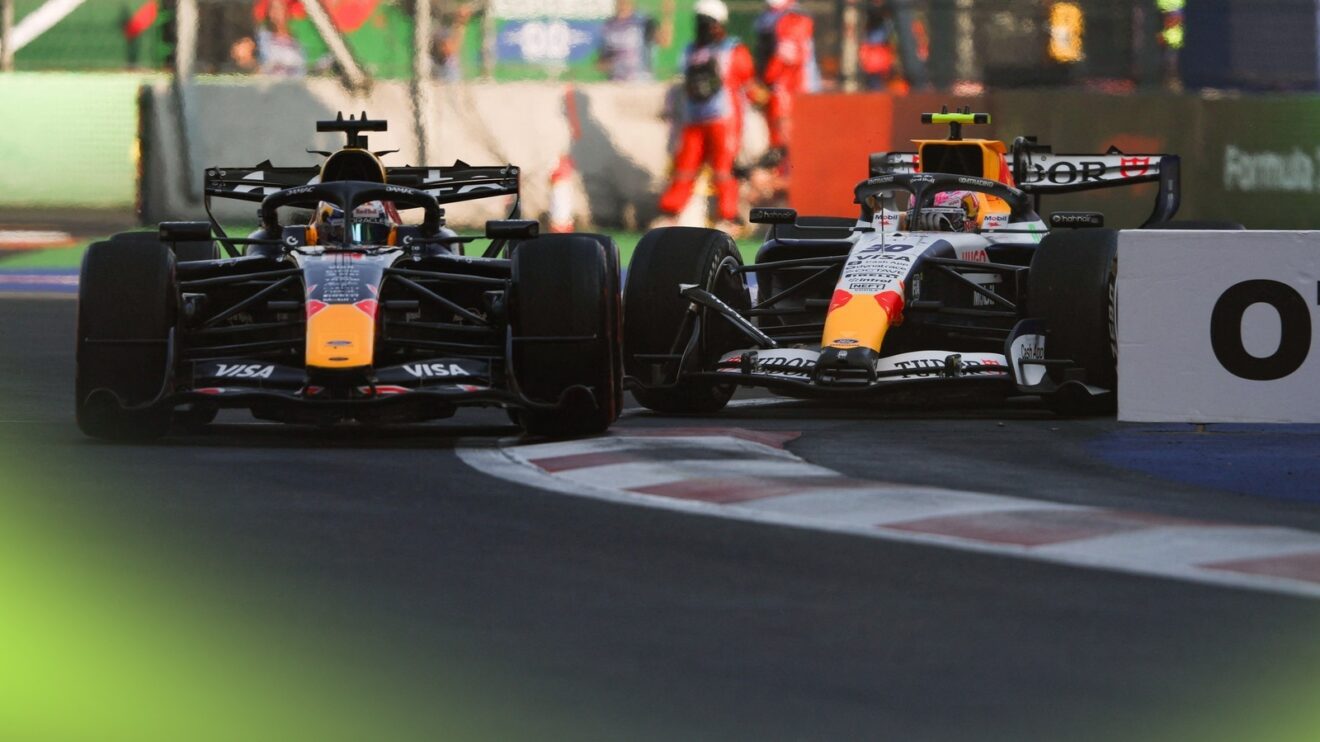
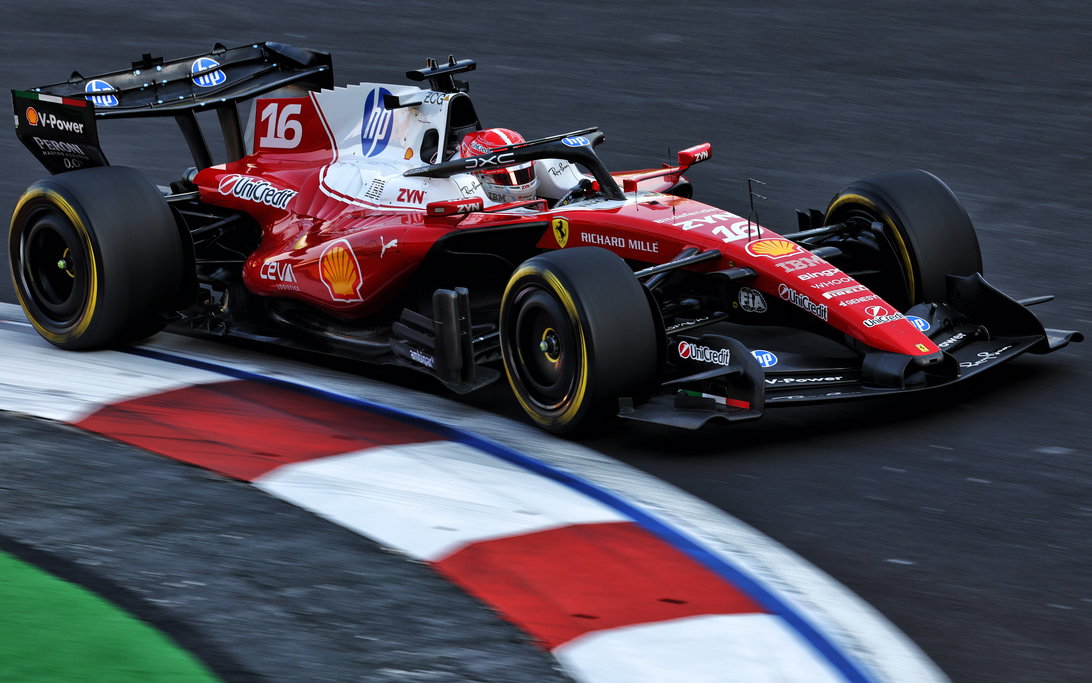
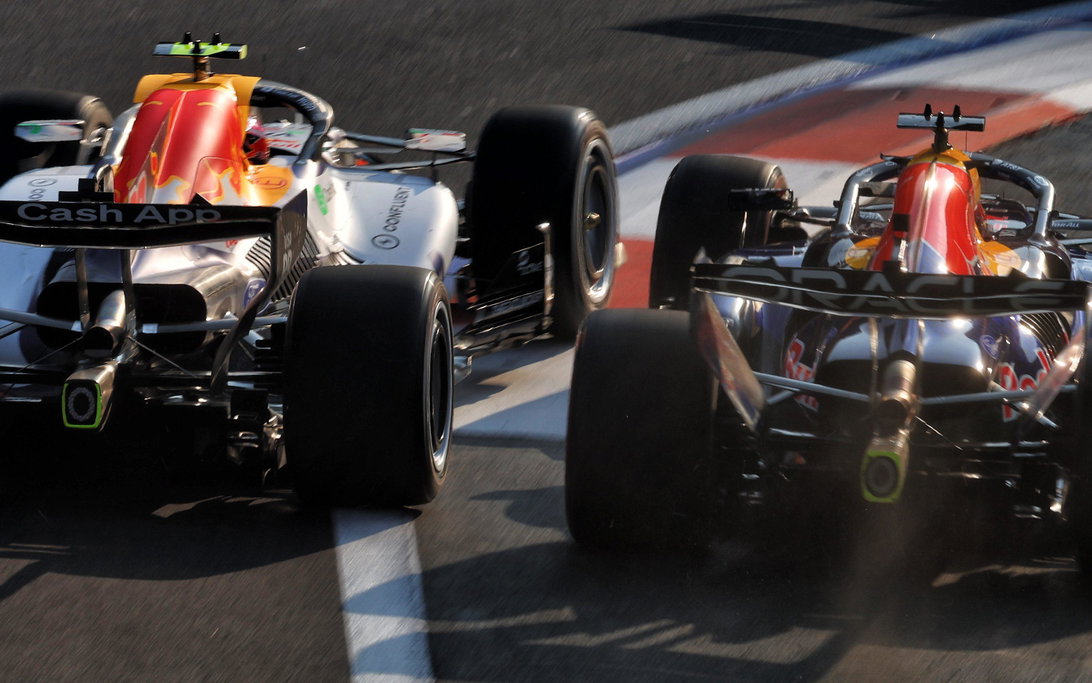
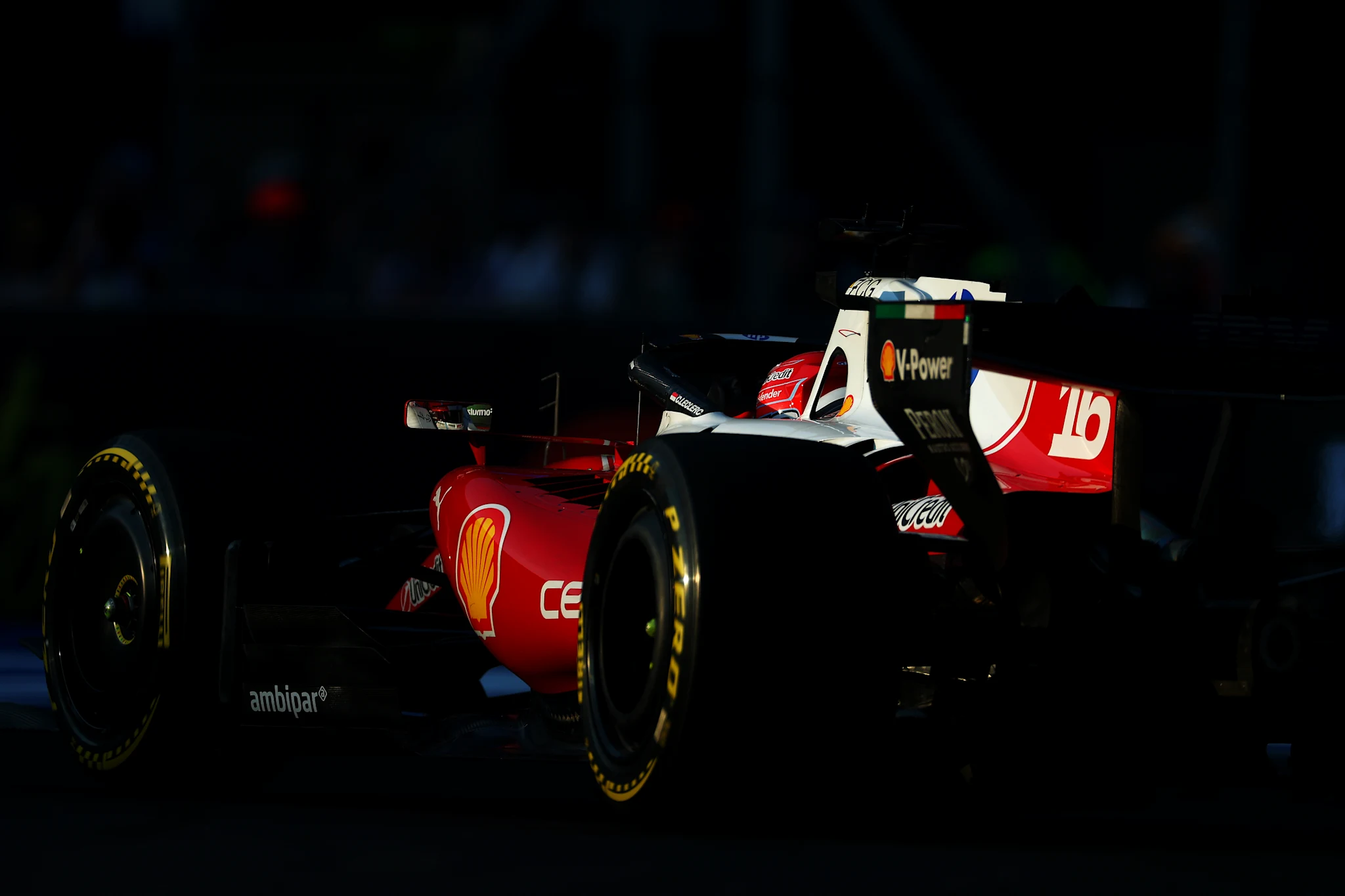
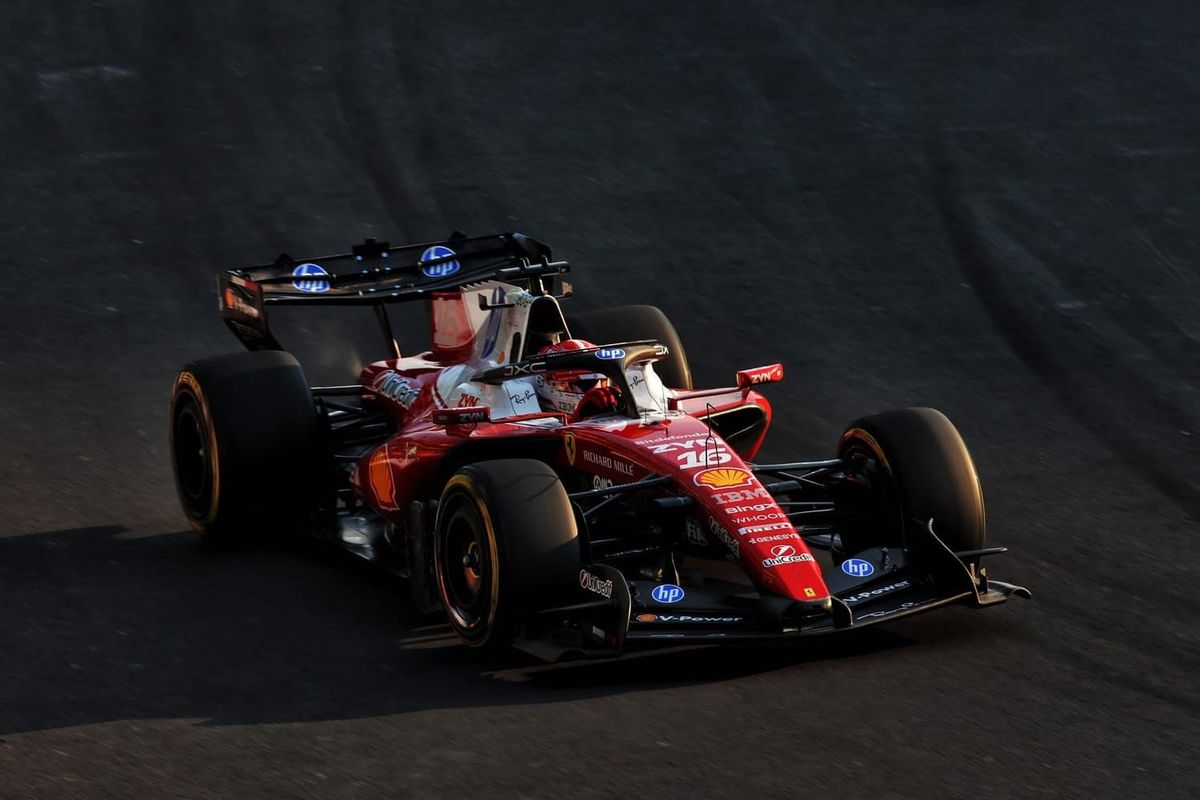
Charles Leclerc put F1’s 2026 cars unusually close to their ground-effect predecessors in Mexico City, topping FP1 with a 1m18.128s—0.252s quicker than his 2025 FP1 benchmark. He then lowered the mark to 1m17.827s in FP2, though that remained 0.435s off Max Verstappen’s 2025 FP2 lap.
Why it matters:
This should be the smallest dry qualifying gap between the 2025 and 2026 cars this season. Pirelli now expects pole to sit in the low 1m16s, well below its pre-weekend 1m17.0s simulation.
The details:
- Pirelli chief engineer Simone Berra points to a partial resurfacing from Turn 10 to Turn 1 and a busier support card that laid more rubber before and between sessions.
- Altitude is the bigger factor: the 2026 cars generate less total downforce, so they lose less in Mexico’s thin air, while the power units can push harder than at sea level.
- Electric power is unaffected by altitude, further helping the 2026 package.
- Leclerc’s Ferrari was over four tenths quicker than Verstappen’s 2025 car on the run to Turn 4, despite the Ferrari’s power-unit deficit. The 2026 cars give some of that back in low-speed corners but suffer a smaller drop-off than at Spa or Monza, and end up relatively energy-rich.
What's next:
If Saturday confirms Friday’s pace, Mexico should produce the tightest 2025-versus-2026 dry qualifying gap yet—a useful read on how the new cars perform at altitude.
Original Article :https://www.the-race.com/formula-1/why-f1-2026-cars-unusually-quick-mexican-gp/
