





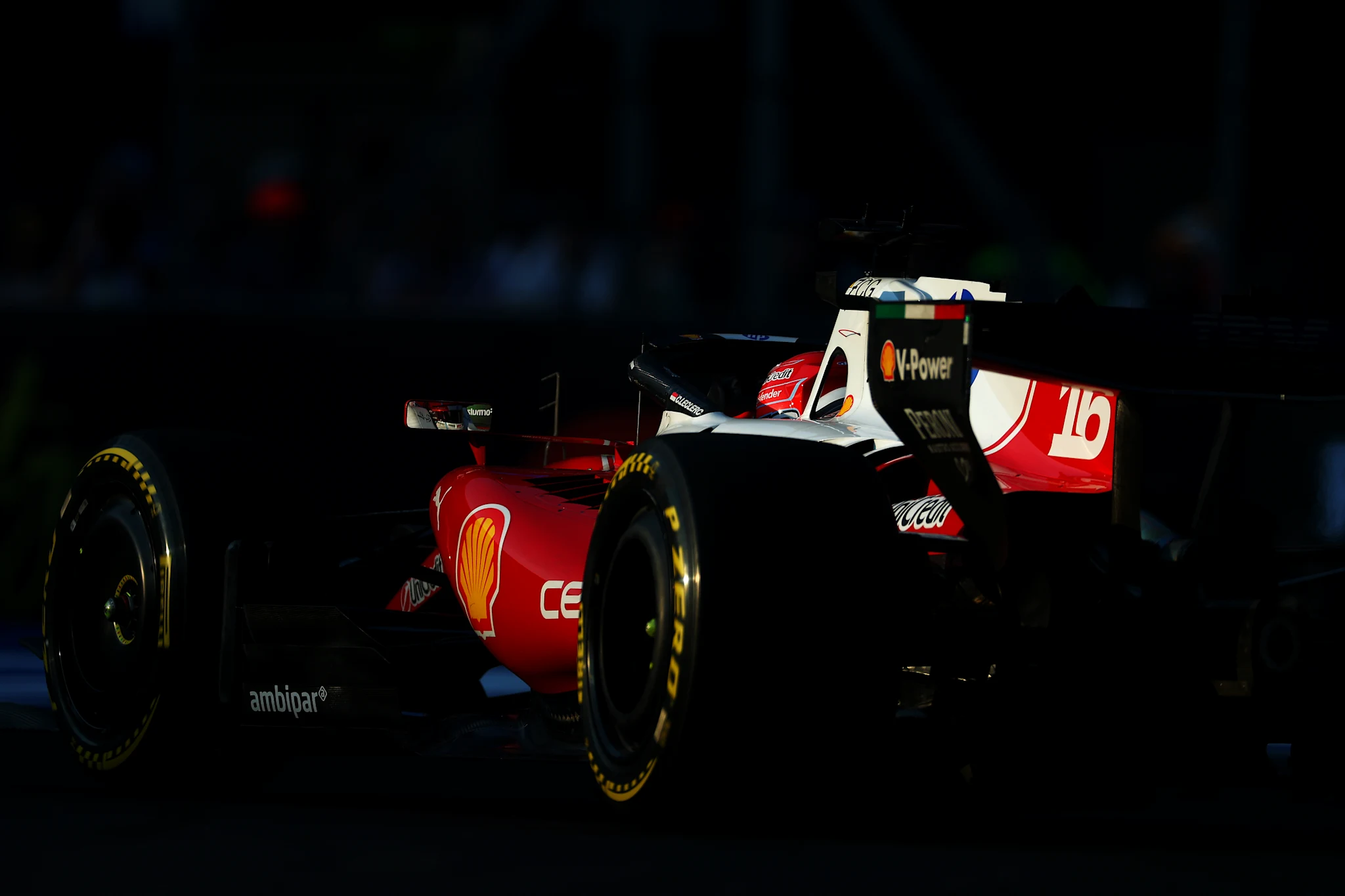
Mexico City GP Qualifying: The Altitude Factors That Decide Pole
Qualifying at the Autódromo Hermanos Rodríguez is the most distinctive session on the calendar, and it is usually the part of the weekend that settles Sunday. At 2,240 metres, the air is roughly 78% as dense as at sea level — a quirk that reshapes everything from downforce levels to the tow that decides Q3.
Why it matters:
Grid position carries unusual weight here. The run to Turn 1 is short, the stadium section is effectively single-file, and the DRS zones rarely produce clean passes. Anyone weighing qualifying markets should start with the venue's altitude characteristics rather than last week's form guide.
The details:
- Less air means less drag, so teams run maximum downforce and still post straight-line speeds that would embarrass Monza.
- Cooling is the trade-off. Trimmed radiators and brake ducts help the lap but create overheating risk in traffic, which is why some cars are far quicker over one lap than over a stint.
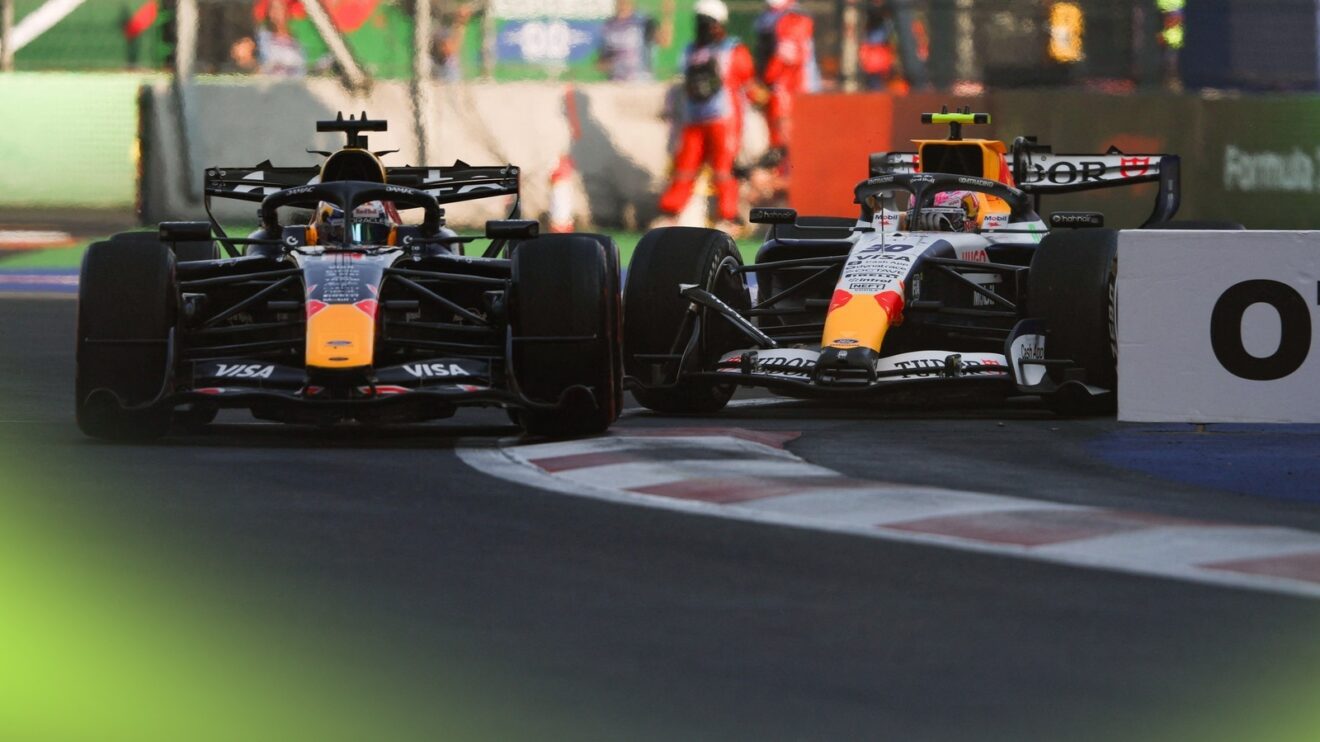
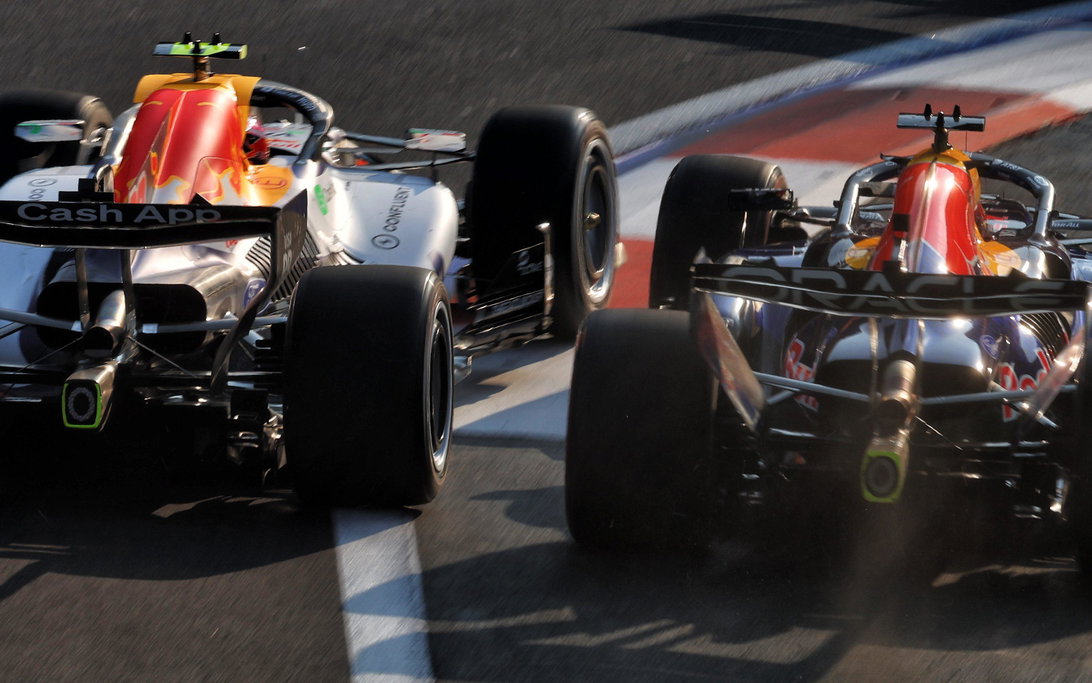
- The tow is enormous. A clean slipstream down the main straight is worth several tenths, so Q3 order often depends on who gets the clearer run.
- Track evolution is relentless. The surface starts dusty and low-grip; the quickest Q3 laps are typically a second up on Q1.
- Energy deployment matters more than usual. Thinner air pushes the turbo harder, and battery management across a single lap is a genuine differentiator under the 2026 power units.
Between the lines:
Mexico rewards efficient cooling and straight-line efficiency over raw downforce. Pole has been a strong but imperfect guide to the race: Verstappen won from third in 2023, while Sainz converted pole a year later.
What's next:
Final practice is the read. Long-run data is close to useless at altitude, so watch the qualifying simulations and cooling behaviour in FP3 before drawing any conclusions.
Original Article :https://www.formula1.com/en/latest/article/best-qualifying-bets-available-on-the...