








Why F1 Cars Won't Run Active Aero in Monaco This Year
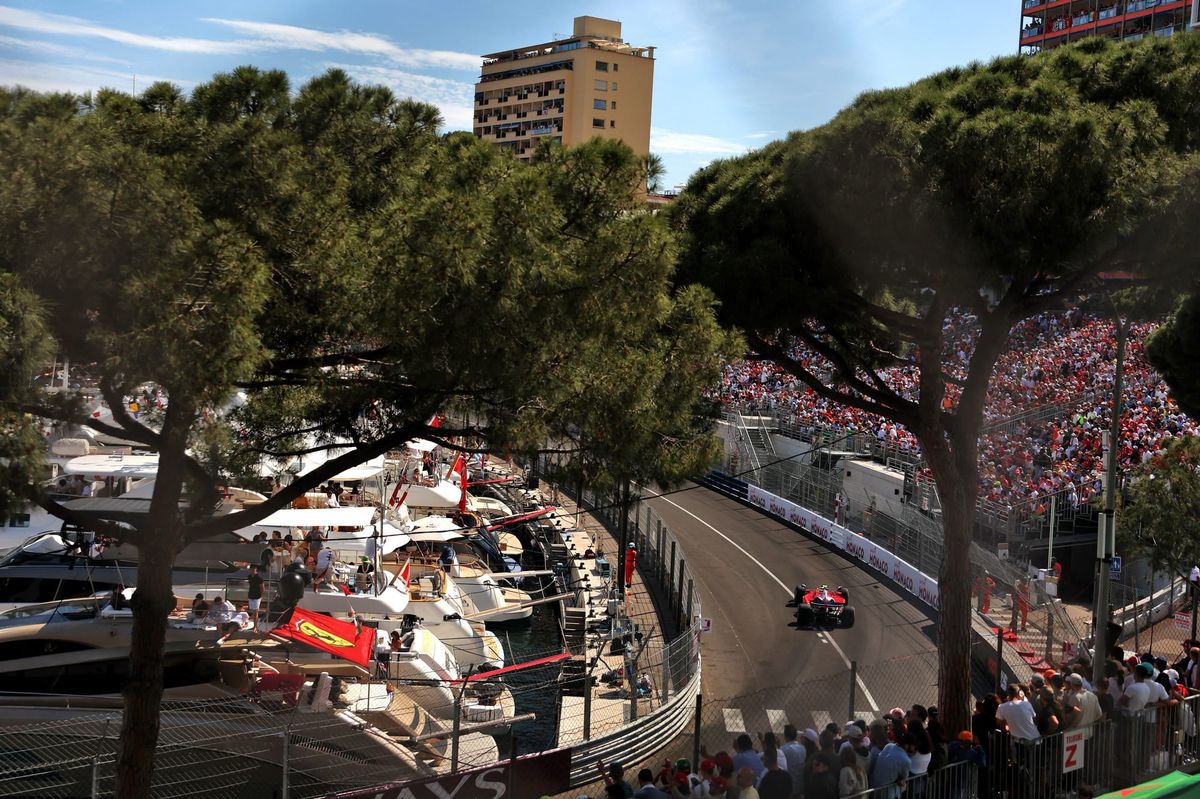
Formula 1 drivers will not use active aero over the Monaco Grand Prix weekend, as the FIA has decided against including any straight mode zones on the circuit. Despite Monaco having potential areas—like the short start-finish straight where DRS was once allowed—the track fails to meet the governing body's strict criteria for active wing operation.
Why it matters:
Active aero is a key part of the 2026 regulations, designed to reduce drag and boost efficiency. Monaco's unique layout, with tight corners and critical traction/braking zones, makes it unsuitable for the technology. The decision highlights the FIA's prioritization of safety and driver workload over performance gains in the principality.
The details:
- The FIA's criteria require straight mode zones to be in places where cars are not at the limit of tire grip—this includes lateral loads, traction, and braking zones, all of which are abundant in Monaco.
- Each zone must last more than three seconds to avoid short, high-workload bursts that offer little benefit in performance or fuel efficiency.
- Safety considerations include the impact of top speed boosts (up to 20 km/h) on corner approaches; Monaco's tight confines mean drivers could arrive at subsequent turns too quickly.
- Overtaking remains possible via power modes, where drivers gain extra energy if within one second of the car ahead at a designated activation zone. This is separate from the active aero straight modes.
- Unlike DRS, which was used as an overtaking tool, straight mode is primarily for drag reduction and energy management.
What's next:
Monaco will rely on traditional chassis and power unit performance rather than active aero. The decision may set a precedent for other street circuits, though the FIA will evaluate each track individually. For now, drivers will focus on mechanical grip and precision around the tight streets.
Original Article :https://www.the-race.com/formula-1/why-f1-cars-wont-run-active-aero-in-monaco/