



What Really Ruined Honda's Spec 2 Debut at Zandvoort
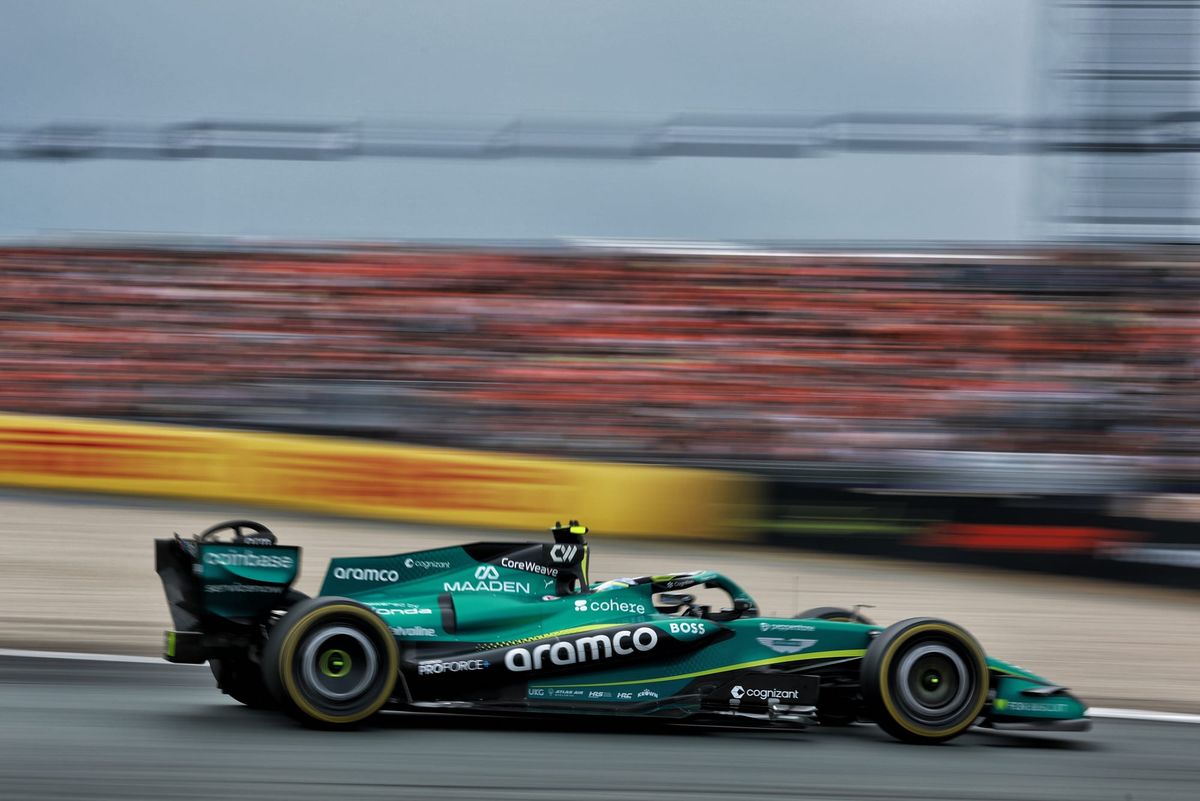
Honda’s spec 2 engine debut at the Dutch Grand Prix looked like a disaster after both Aston Martins fell in SQ1, but the truth is more nuanced. While Lance Stroll struggled to 19th, Fernando Alonso’s last-place result was caused by a rear wing failure rather than the power unit itself, though real drivability concerns remain.
Why it matters:
Aston Martin’s Honda partnership needed this upgrade to deliver, so a double SQ1 exit set off alarm bells. Separating car failures from engine performance is vital; misreading the root cause could derail development when every sprint session counts.
The details:
- Rear wing failure: Alonso’s active aero stuck in corner mode on the straights, spiking drag and draining the battery. The fault cost him roughly 20 km/h into Turn 1 and an estimated 2.5 seconds — enough to knock him from a safe SQ2 spot down to 22nd.
- Not just the wing: Stroll had no rear wing problem yet still failed to advance, showing the package as a whole was not where it needed to be.
- Drivability gaps: Honda’s spec 2 unit still lacks throttle and braking coordination. Alonso said the car kept pushing under deceleration, triggering the lock-up that ended his first run: “When you brake and the throttle is open, it's difficult to stop the car.”
- Overnight work: Honda engineers at HRC Sakura ran dyno tests Friday night to refine software, knowing the current regulations demand seamless energy harvesting through every corner entry.
What's next:
Alonso was calmer out of the car, insisting free practice showed real progress and the controls were simply too raw for a sprint format. Aston Martin and Honda get another chance in Saturday’s sprint, but fixing the power unit’s drivability will take longer than one weekend if the partnership is to fulfill its pre-season promise.
Original Article :https://www.the-race.com/formula-1/what-ruined-aston-martin-honda-big-f1-upgrade...