






Vowles: F1's Cost Cap Is Failing to Build a 'Healthy Sport'
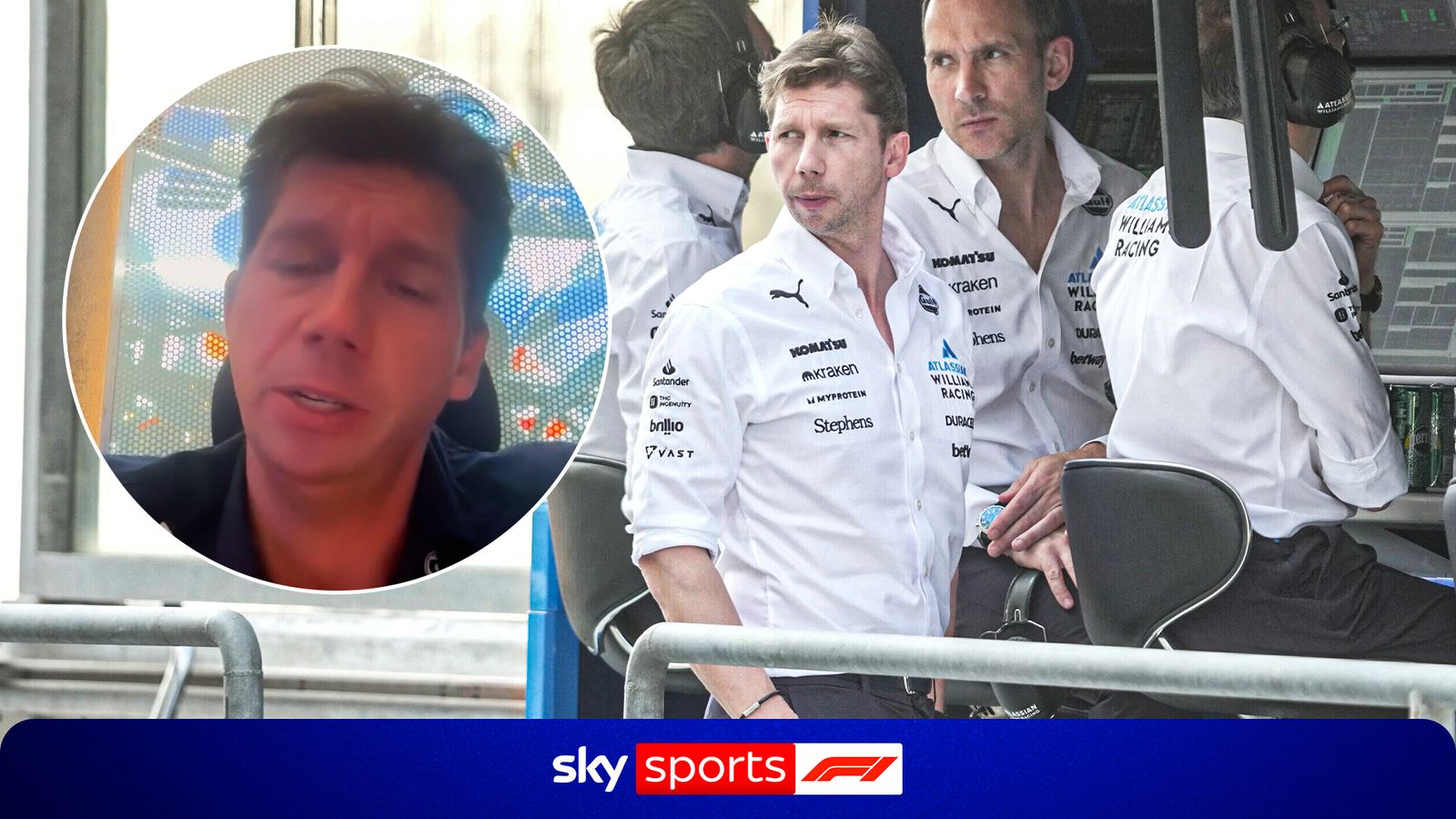
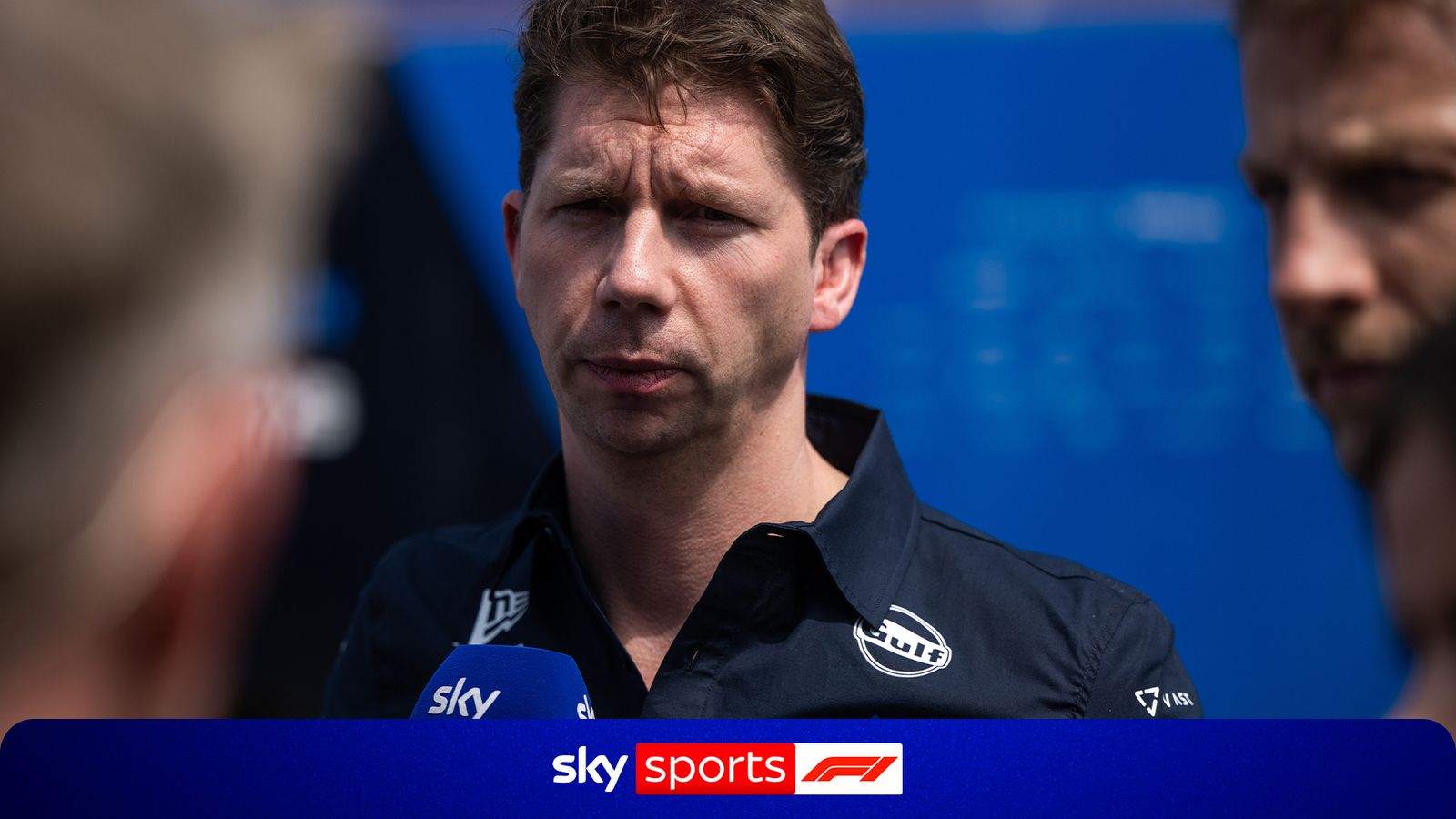
Williams team principal James Vowles has questioned whether Formula 1's cost cap is delivering on its founding promise, arguing the spending limit is allowing the gap between teams to grow rather than close and leaving the sport in an unhealthy place.
Speaking on the Fast and the Curious podcast with Christian Hewgill, Vowles delivered a blunt verdict on a mechanism that has underpinned F1's financial rules since 2021 — and one he has defended in the past.
Why it matters:
The cost cap was sold as the great leveller: cap what everyone can spend, and the grid should compress. Vowles is arguing that logic only holds if every team starts from the same baseline. Organizations with decades of infrastructure, deeper technical benches and settled processes still extract more performance from every dollar, while teams playing catch-up are locked out of spending their way back into contention. If the cap freezes the hierarchy rather than flattening it, the regulation has failed at the one job it was given.
The details:
- Vowles told Hewgill that the current framework is producing widening gaps rather than convergence, and that the result does not amount to "healthy sport."
- His argument is not that the cap should be scrapped, but that a pure spending limit is only half a system. It equalises budgets without equalising capability.
- Williams' position: The team is still rebuilding infrastructure and technical depth after years of underinvestment. Under a cap, those deficits cannot be bought out — they have to be built, slowly, inside the same ceiling as everyone else.
- The ATR lever: Vowles has repeatedly pushed for a more aggressive aerodynamic testing handicap, arguing that sliding-scale restrictions are the tool that actually redistributes competitive advantage.
- What the cap has done: It has made teams profitable, stabilized the grid's finances and ended the era of runaway spending — achievements Vowles has acknowledged and is not disputing.
What's next:
The debate lands at an awkward moment, with the new 2026 power unit and chassis regulations still bedding in and teams recalibrating around a fresh rule set. Whether the cap survives in its current form depends on how the next two seasons shake out: if the field stays strung out, pressure will build for a broader rethink of how F1 balances budgets against testing allocation. Vowles, for one, is already making that case publicly — and a team principal with a rebuilding organization has every incentive to keep making it.
Original Article :https://www.skysports.com/f1/video/13610556/the-fast-and-the-curious-podcast-jam...