


Villeneuve highlights Mercedes' key 2026 weakness despite strong start
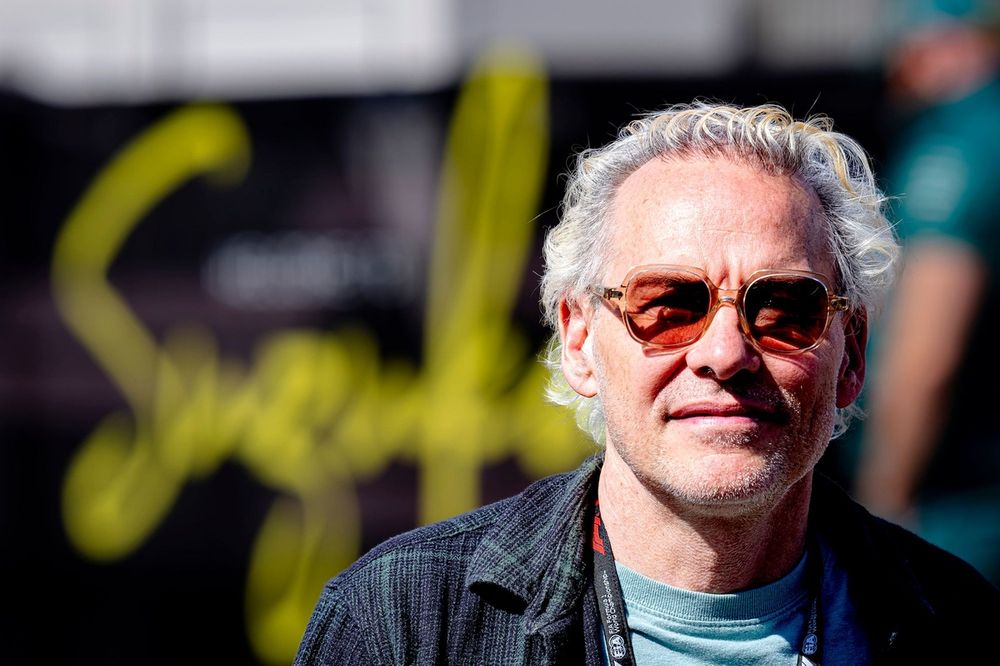
1997 Formula 1 champion Jacques Villeneuve has pointed to a critical weakness in Mercedes' 2026 car, suggesting it struggles to fight in dirty air despite the team's dominant start to the season. This observation came after Andrea Kimi Antonelli's victory at the Japanese Grand Prix, where the young driver overcame a poor start and benefited from a safety car to win, while teammate George Russell faced similar traffic issues. Villeneuve's analysis implies that Mercedes' pace may be conditional on running in clean air, a potential vulnerability as the season develops and on-track battles intensify.
Why it matters:
Mercedes has won every Grand Prix and Sprint race so far in 2026, establishing itself as the early benchmark. However, a fundamental weakness in traffic could severely limit its drivers' ability to recover from mistakes or poor qualifying sessions, turning dominant one-lap pace into a strategic liability during actual races. This flaw, if proven true, opens the door for rivals like Red Bull, Ferrari, and McLaren to exploit Mercedes in wheel-to-wheel combat, making the championship fight far more complex than the standings currently suggest.
The details:
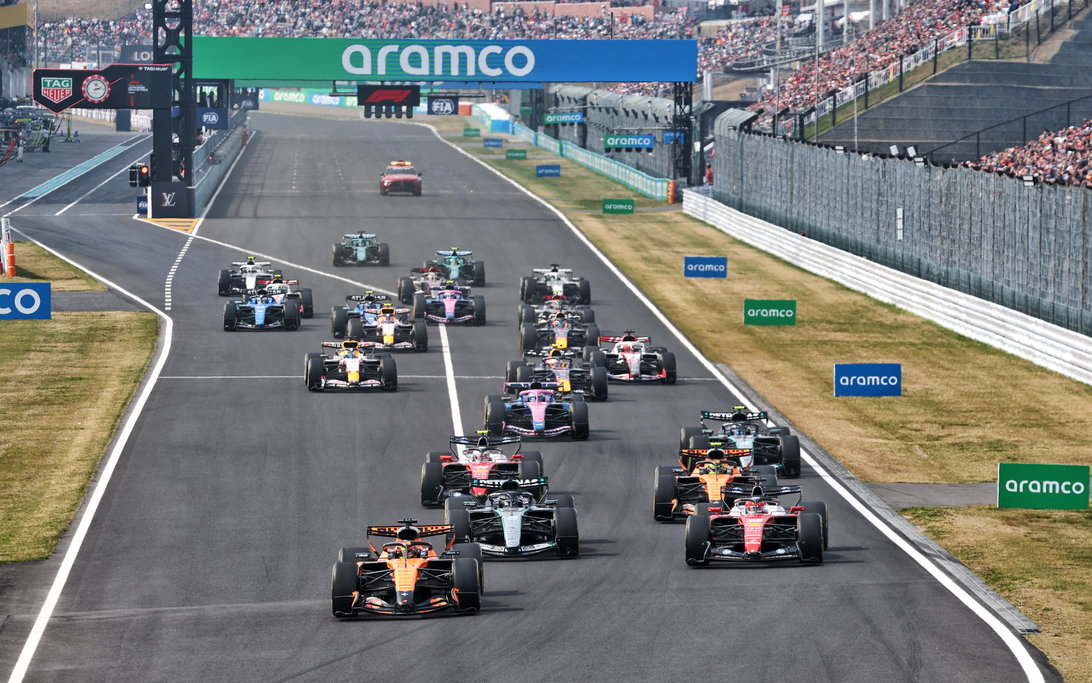
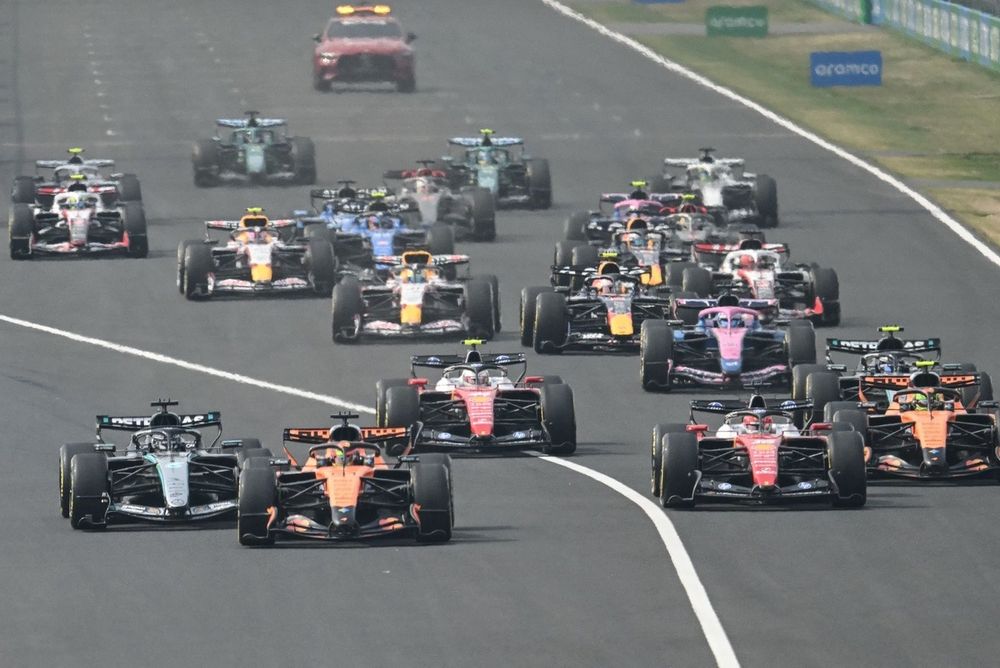
- Villeneuve's comments followed the Japanese GP, where Antonelli took pole but botched the start, forcing him to fight back through the field before a safety car intervention helped him reclaim the lead.
- The champion noted that both Antonelli and George Russell "had a hard time to come back through the field," contrasting the Mercedes with other cars that "can fight, can stay in traffic."
- The Core Issue: Villeneuve pinpointed that the W15 "seems that the car in traffic... can't. They need to be in the fresh air." This suggests the car's aerodynamics are highly sensitive to turbulent air from other cars, causing a significant loss of downforce and performance.
- Race Evidence: Russell's race was compromised by pitting just before the safety car was deployed, dropping him down the order. His subsequent battle back to fourth was reportedly hampered by the same traffic-handling issues.
- Villeneuve did credit Antonelli for maximizing the opportunity presented by the safety car, a necessary skill for any champion, but framed the win within the context of the car's apparent limitation.
What's next:
All eyes will be on Mercedes in the coming races, particularly at circuits known for close racing and difficulty in overtaking.
- The team's engineers will be under pressure to find aerodynamic solutions or setup tweaks that mitigate this sensitivity, a challenge that could define their development race for the remainder of the season.
- Rivals will analyze this potential weakness and may adjust their own race strategies accordingly, perhaps attempting to force Mercedes drivers into traffic during qualifying or employing aggressive undercut strategies.
- If the issue persists, Mercedes' championship charge may become increasingly dependent on flawless Saturdays and clean air on Sunday, a high-wire act that leaves little room for error in a long season.
Original Article :https://www.motorsport.com/f1/news/jacques-villeneuve-spots-key-mercedes-f1-weak...