




Damon Hill defends 2026 F1 regulations despite driver criticism
1996 Formula 1 World Champion Damon Hill has offered a robust defense of the sport's new 2026 technical regulations, arguing they have produced "interesting, tactical and entertaining" racing, as demonstrated at the Japanese Grand Prix, despite criticism from some drivers about the need to lift and coast to harvest energy.
Why it matters:
The 2026 regulations represent a fundamental shift in how Formula 1 cars are driven, prioritizing energy management and strategic harvesting. While purists and some competitors lament the loss of flat-out racing, Hill's perspective highlights a potential trade-off: increased on-track action and unpredictability. His voice, as a respected champion and analyst, adds significant weight to the debate over the sport's direction and what constitutes compelling competition.
The details:
- Hill acknowledged driver dissatisfaction with the requirement to periodically slow down to charge the car's battery but framed it as a necessary element of modern, strategic F1.
- He pointed to the Japanese Grand Prix as evidence, noting the occurrence of overtakes followed by re-overtakes—a rarity in recent seasons—which he attributed to the new strategic variables.
- Fellow champion Jacques Villeneuve offered a nuanced take, describing the racing as "interesting, not exciting," but conceded the new dynamic created more positional swaps at a circuit like Suzuka, which is traditionally processional.
- By the numbers: The regulatory impact is quantifiable. The 2026 season opener in Australia featured 120 overtakes, a dramatic increase from the 45 recorded at the same event in 2025 under the old rules.
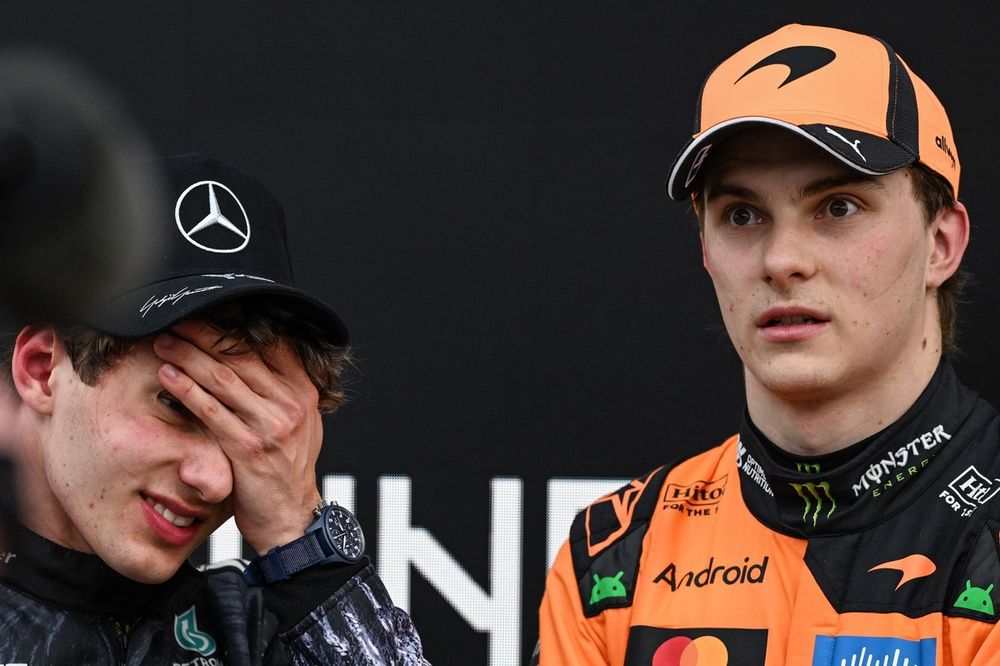
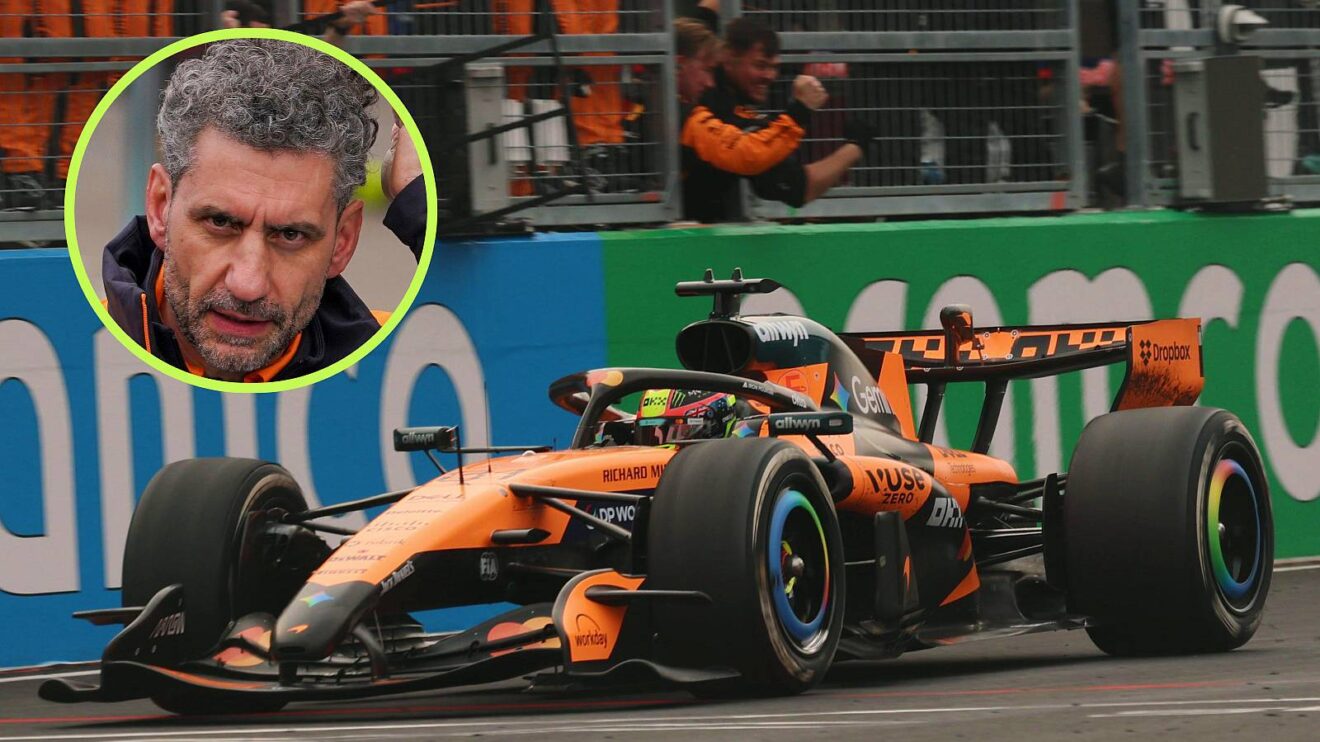
- Hill highlighted Oscar Piastri's recovery drive in Japan—from two consecutive DNSs to a podium finish from P3 on the grid—as a standout performance emblematic of the new competitive order.
What's next:
The early evidence suggests the 2026 rules are achieving one of their core goals: mixing up the competitive order and creating more wheel-to-wheel battles. Hill noted that the season has already seen three different manufacturers on the podium and as many as six drivers who look capable of winning. While the debate over the driving experience will continue, the focus now shifts to whether this heightened unpredictability and increased overtaking will sustain fan engagement throughout the season and justify the philosophical change in how the cars are raced.
Original Article :https://www.motorsport.com/f1/news/damon-hill-explains-why-japanese-gp-was-enter...