


Verstappen's Unrelenting Criticism of F1's 2026 Rules
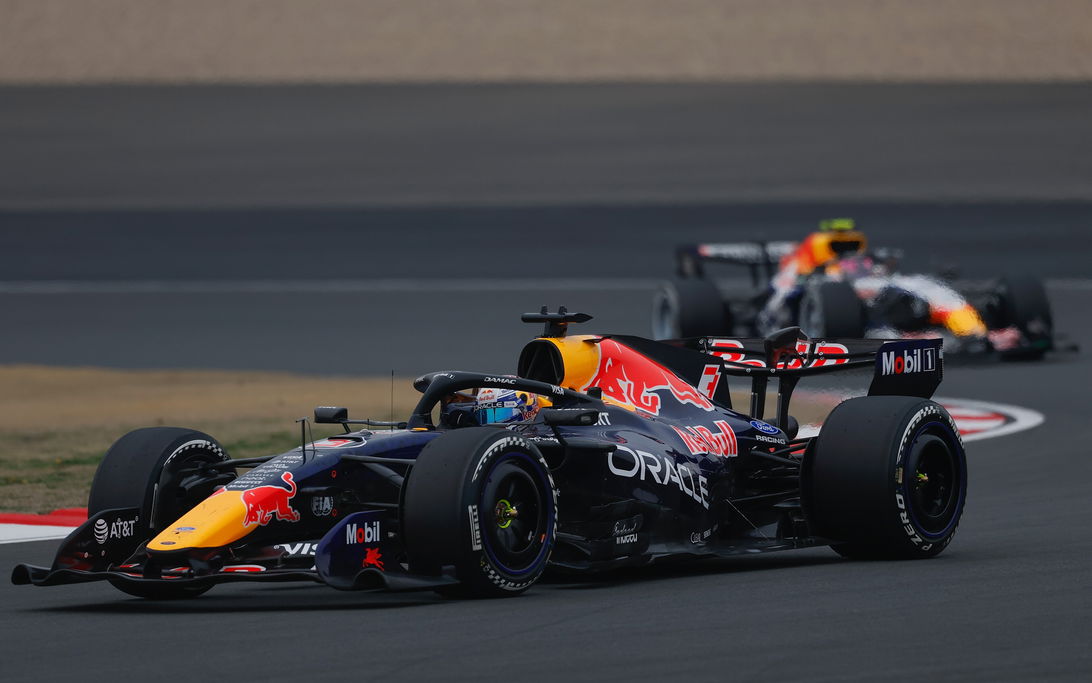
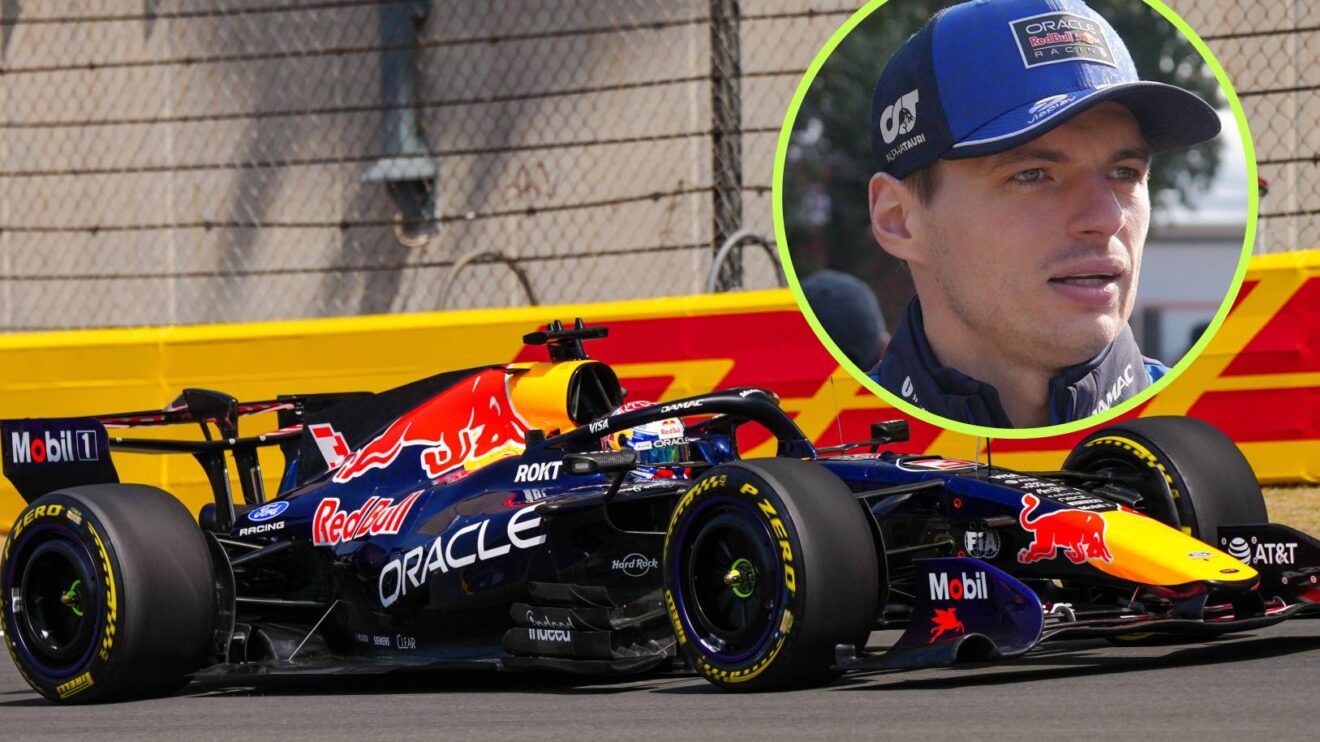
Max Verstappen is escalating his public critique of Formula 1's incoming 2026 technical regulations, labeling the energy management rules as "anti-racing" and comparing them to "Formula E on steroids." Despite a difficult start to the season, the four-time world champion has not tempered his comments, even suggesting after the Chinese Grand Prix that fans who enjoyed the race "don't get racing." His persistent outspokenness highlights a significant divide between a top driver's perspective and the sport's planned future direction.
Why it matters:
Verstappen's vocal opposition carries substantial weight as one of the sport's biggest stars and reigning champion. His criticisms strike at the heart of F1's identity, questioning whether the 2026 rules—designed for greater sustainability and cost control—will compromise the core racing spectacle that attracts fans. As the face of the championship, his public skepticism could influence fan perception and put pressure on the FIA and FOM to address driver concerns before the new era begins.
The Details:
- Verstappen's criticism began during pre-season testing and intensified after the Australian Grand Prix, where he secured only 8 points with a sixth-place finish.
- His core complaint centers on the 2026 power units, which will use a near-50/50 split between internal combustion and electrical energy. He fears the complex energy management requirements will force drivers to lift and coast excessively, reducing wheel-to-wheel combat.
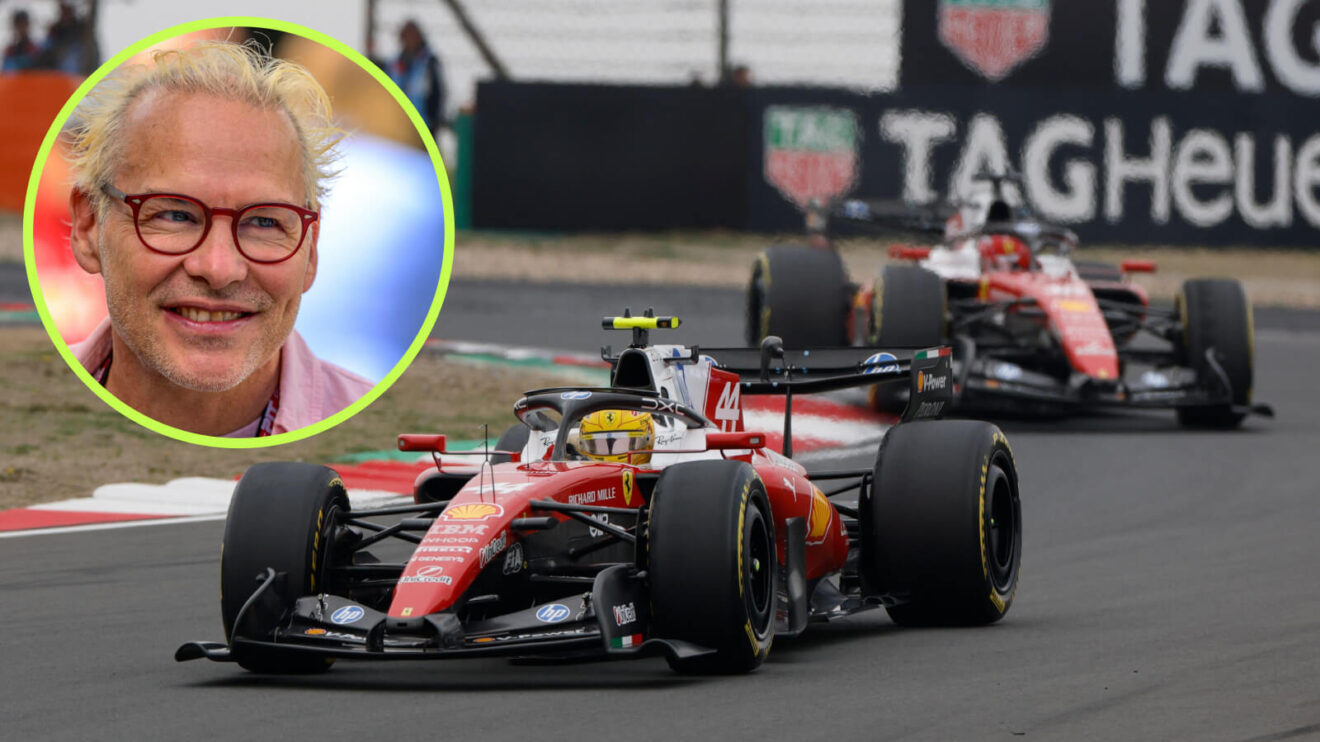
- The remarks in China, following his retirement from the race, were particularly pointed. He dismissed the entertaining battle for the podium between Ferrari and Mercedes, underscoring his belief that the current direction is flawed.
- This stance creates a notable tension with F1's leadership, who view the 2026 rules as essential for attracting new manufacturers like Audi and retaining existing ones with a more sustainable and road-relevant formula.
What's next:
The debate is set to continue as development for the 2026 season accelerates.
- Verstappen's comments will likely fuel further discussion among other drivers, teams, and the governing bodies. His influence may rally other drivers to voice similar concerns, potentially leading to technical tweaks before the rules are finalized.
- The true test will come during the first tests of the 2026 prototypes. If early data shows drivers are unable to push flat-out, the criticism will gain significant technical backing.
- For now, Verstappen's unwavering position ensures that the philosophical balance between sport, sustainability, and showmanship will remain a central topic in F1's ongoing evolution.
Original Article :https://racingnews365.com/is-max-verstappen-right-to-continue-his-fierce-critici...