



Verstappen's criticism of 2026 racing and its fans faces scrutiny
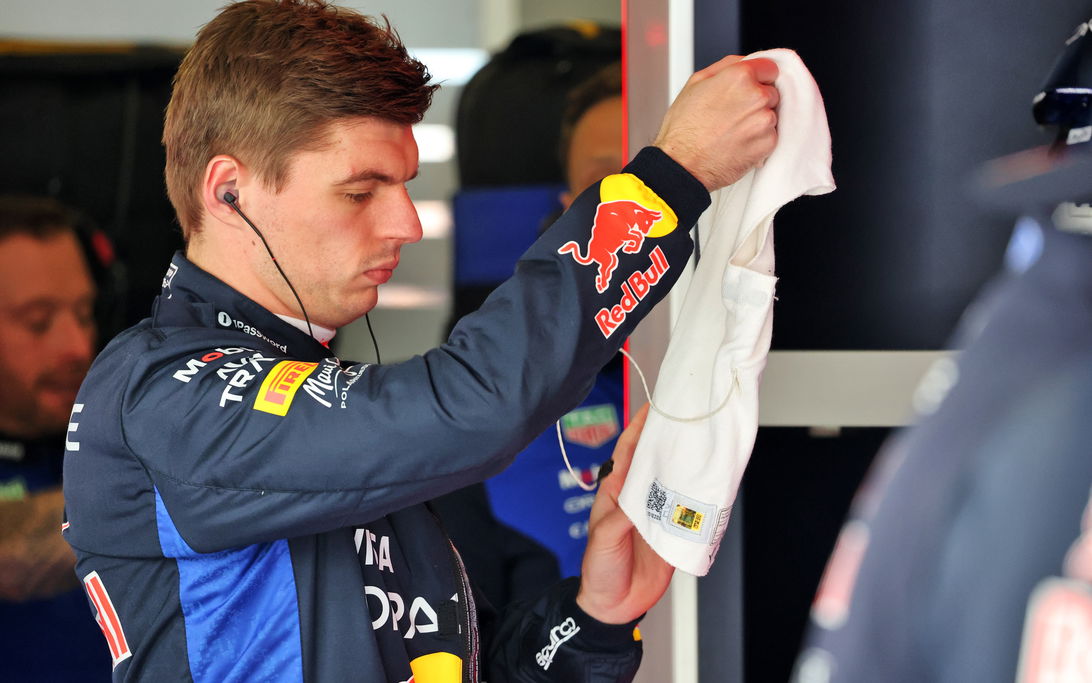
Max Verstappen launched a scathing critique of Formula 1's 2026 racing after the Chinese Grand Prix, labeling it "terrible" and a "joke," while suggesting fans who enjoyed it "don't know what racing is like." While his frustration with the impact of battery deployment on overtaking is shared by some, the race in Shanghai also showcased more dynamic wheel-to-wheel battles, highlighting a divisive split in perception between drivers and within the fanbase about the new era's spectacle.
Why it matters:
Verstappen's vocal and dismissive stance amplifies a core tension in F1's new regulatory cycle: balancing technological spectacle with pure racing merit. His comments risk polarizing discourse and underscore a significant disconnect between how some drivers experience the racing and what a portion of the audience enjoys, forcing a critical examination of what defines "good" racing and for whom the sport is ultimately designed.
The details:
- Verstappen's core complaint centers on the perceived artificiality of overtaking, which he argues is overly dependent on battery charge levels rather than sustained driver skill or car performance.
- He dismissed early-race battles in China, like Ferrari challenging Mercedes, as temporary disruptions that quickly resolved once energy deployment strategies normalized.
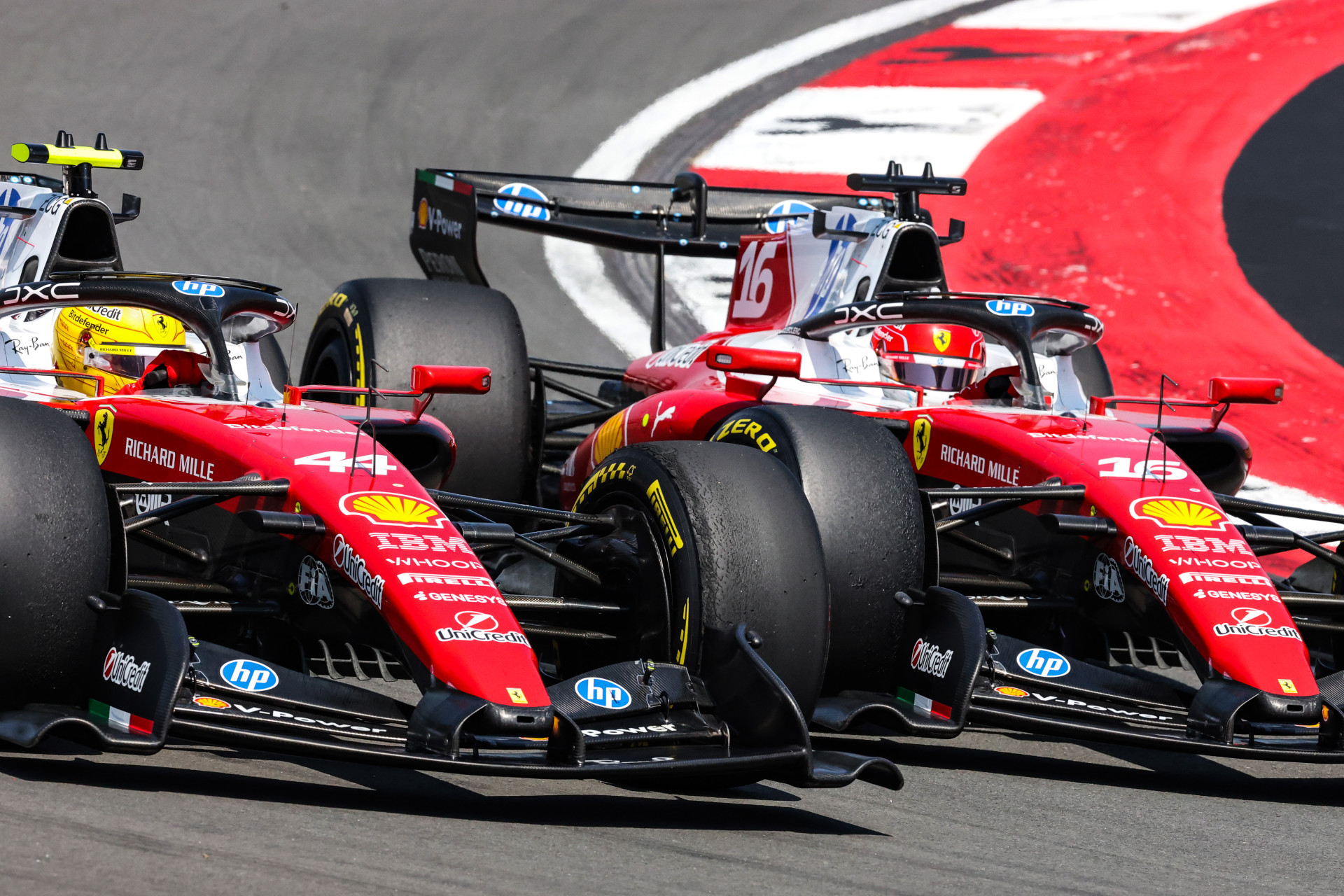
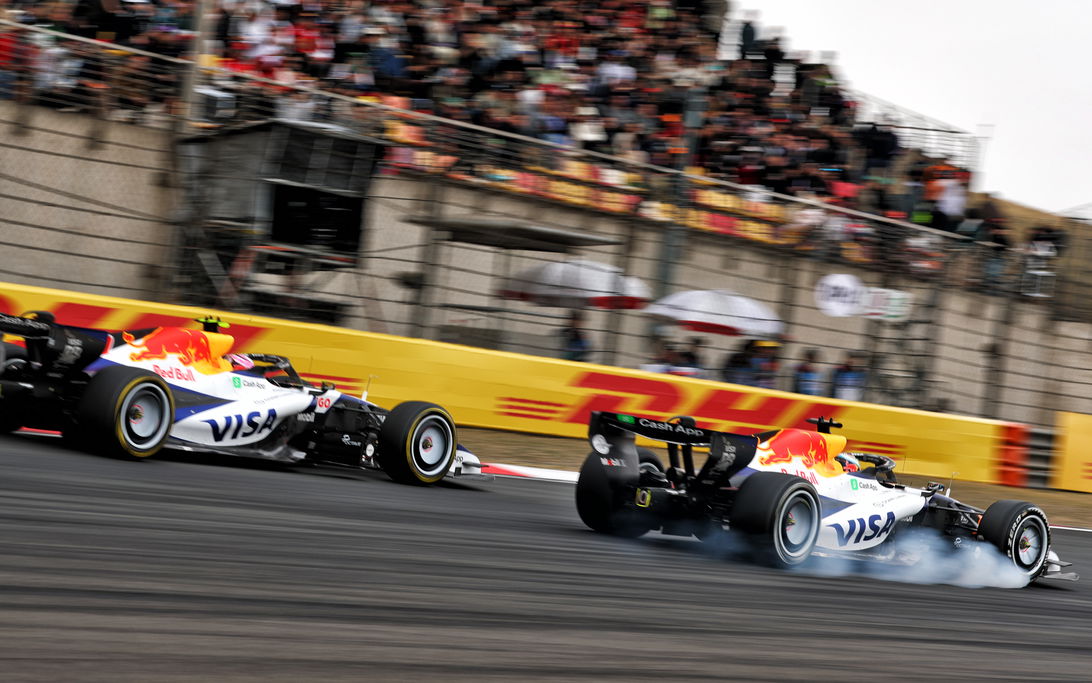
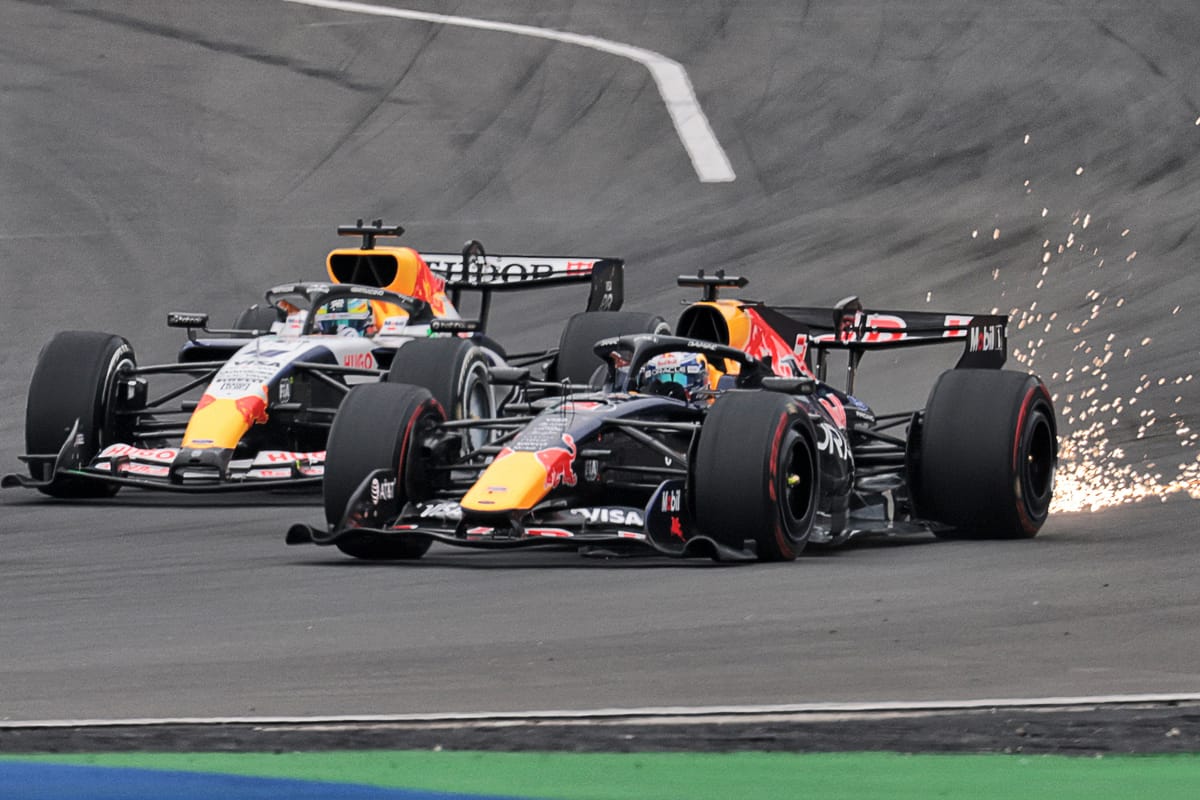
- Counterpoint from China: Contrary to Verstappen's blanket assessment, the Shanghai weekend featured extended, dynamic battles, particularly under braking and through corners.
- Lewis Hamilton and Charles Leclerc engaged in a prolonged wheel-to-wheel fight, which Hamilton hailed as exceptional.
- This suggested the 2026 cars, being smaller and lighter, can facilitate closer racing when strategic variables align.
- The fan divide: The article argues enjoyment of the racing is not simply generational. Long-time fans can find elements to appreciate, while newer viewers might be drawn to the constant positional changes, creating a spectrum of opinion Verstappen's remarks oversimplify.
- Stakeholder stance: Figures like Toto Wolff have pointed to viewership data and social metrics as evidence the rules are popular, a claim that frustrates critics who feel negative feedback is being ignored or downplayed.
What's next:
The debate sets the stage for F1's crucial evaluation period. The sport's leadership must decide which feedback to prioritize.
- If they cater primarily to data suggesting broader, casual audience appeal, they may resist significant rule changes, a path Verstappen warns will "come and bite them back in the ass."
- The key will be determining if the exciting cornering battles seen in China can become the norm rather than the exception, and if the "randomness" of energy deployment at race starts can be reduced.
- The jury is still out on whether the current divisiveness will define the entire 2026 season or if the racing product will evolve and coalesce into a more universally accepted form.
Original Article :https://www.the-race.com/formula-1/does-verstappens-swipe-at-people-who-liked-ch...