




Verstappen Proposes 'Safety' Lever to Force F1 Rule Changes
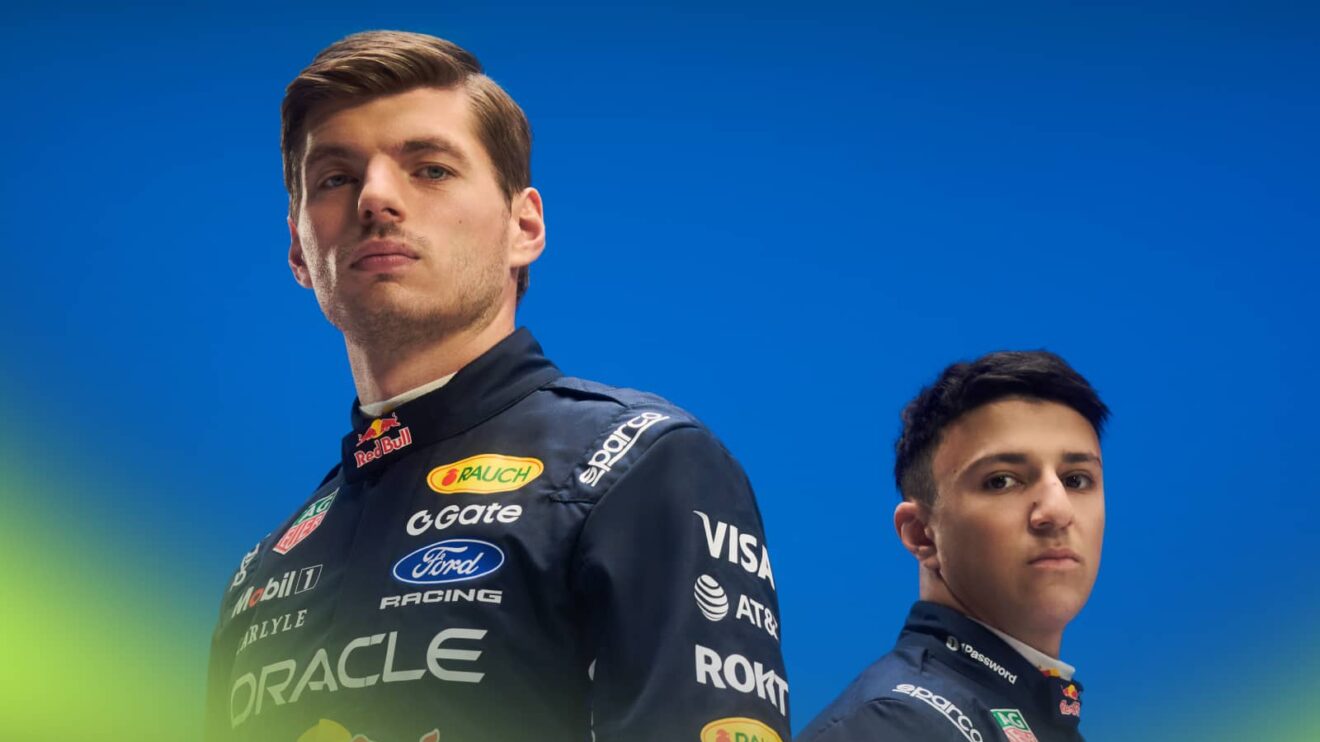
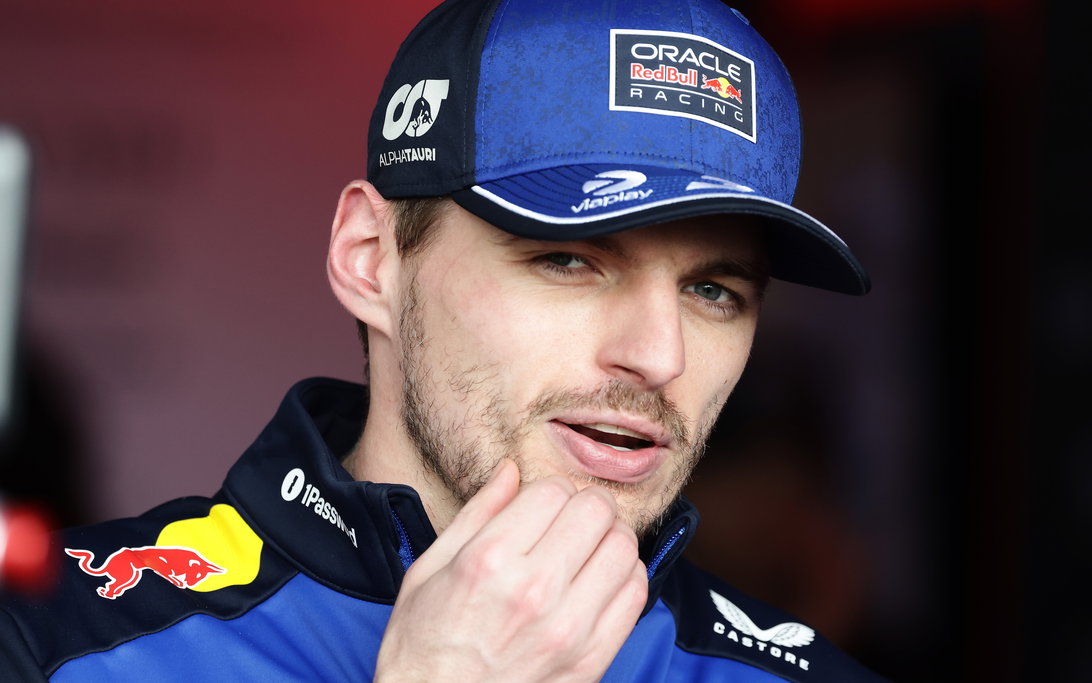
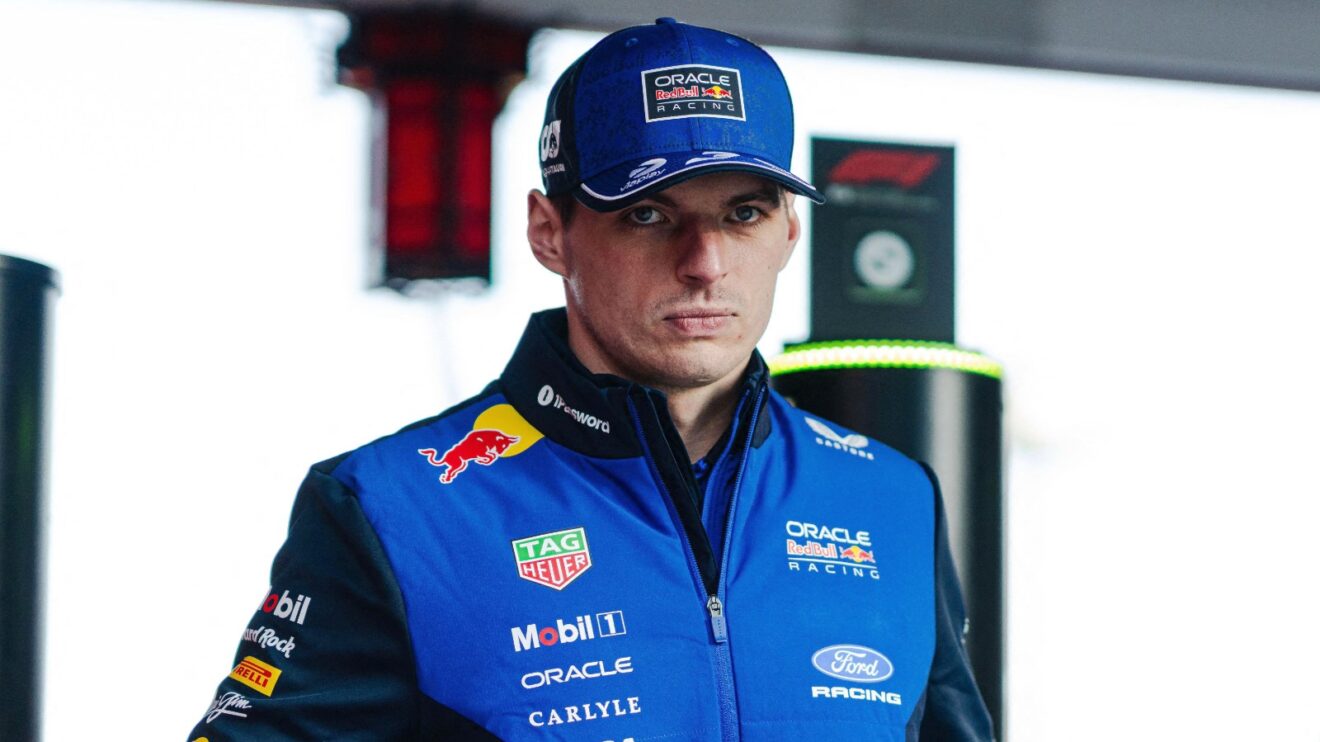
Following a high-speed crash at the Japanese Grand Prix, Max Verstappen has suggested the FIA could use its safety mandate to force through changes to the current and upcoming 2026 Formula 1 power unit regulations. The Red Bull driver argues that the extreme speed differentials created by the rules are inherently dangerous and that invoking safety concerns could bypass the political gridlock that often prevents mid-season adjustments.
Why it matters:
The crash involving Oliver Bearman at Suzuka, where a 50 km/h closing speed led to a 50G impact, has made theoretical fears a concrete reality. If the governing body cannot effectively address these risks, it could lead to more severe accidents. Verstappen's pointed suggestion highlights a growing frustration among drivers who feel current rules compromise racing integrity and safety for complex energy management.
The Details:
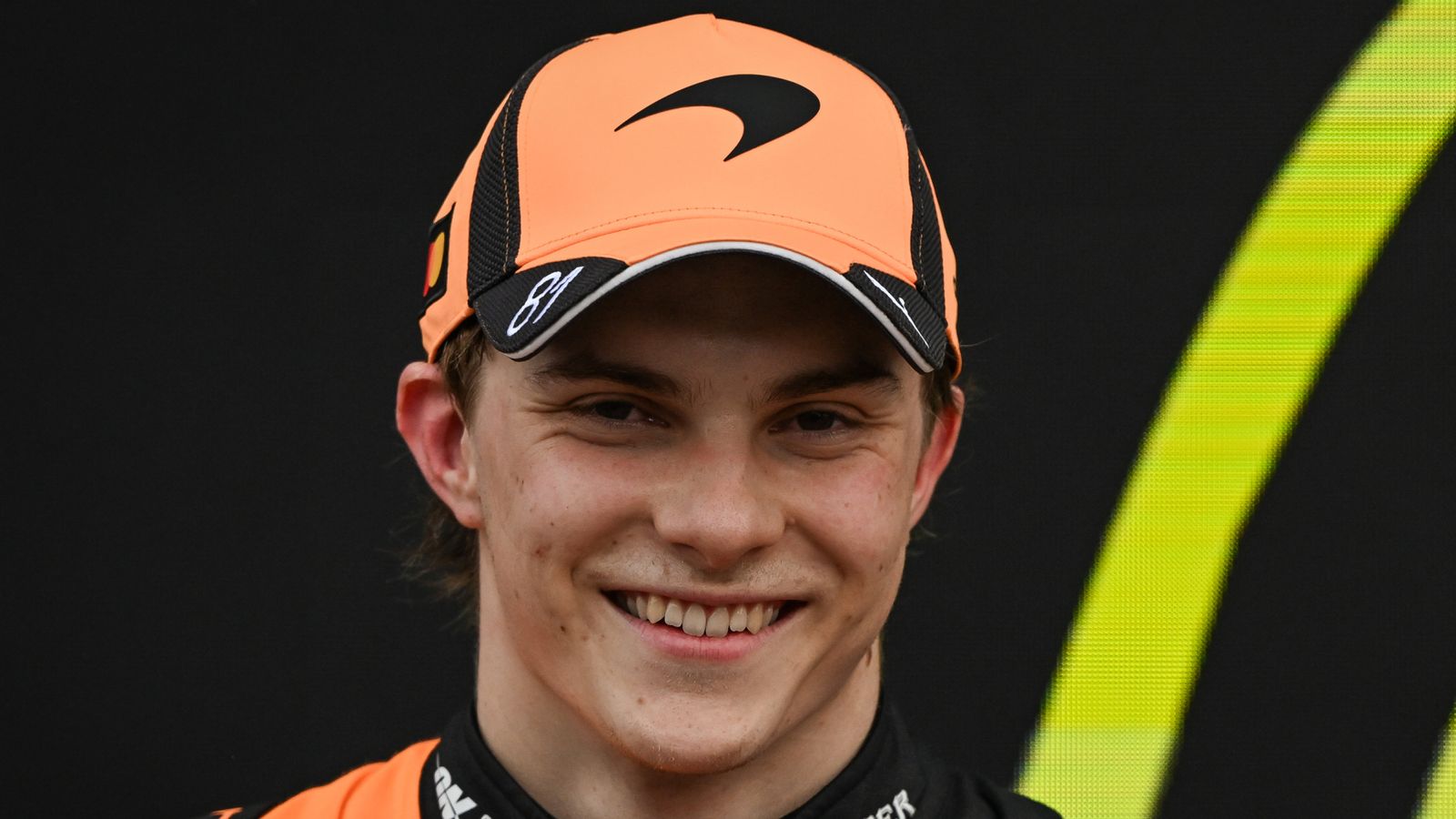
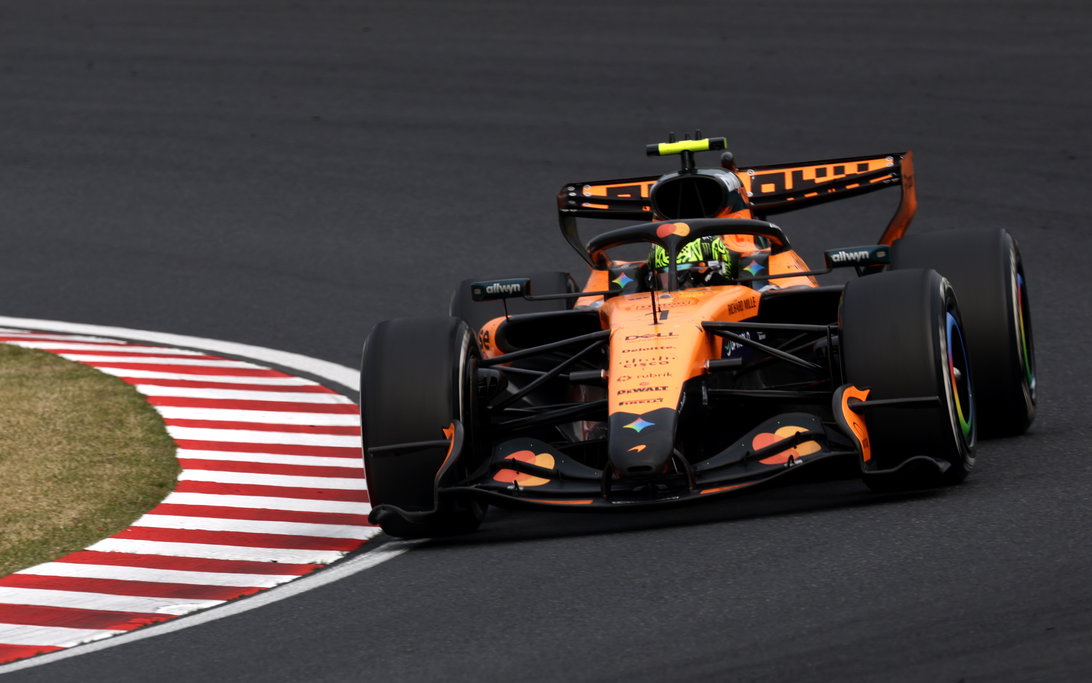
- The incident occurred when Haas rookie Oliver Bearman, approaching at roughly 308 kph, caught Alpine's Franco Colapinto at a 50 kph speed delta on the straight before the Spoon Curve. Bearman took evasive action, lost control on the grass, and slammed into the barrier.
- Verstappen criticized the current regulatory environment, stating it forces drivers to slow down to go faster in qualifying and creates confusing, dangerous situations during races. He emphasized that the problem is not limited to racing but is embedded in the qualifying format as well.
- The core of Verstappen's proposal is to frame the required regulatory fixes as safety imperatives. The FIA's charter allows it to mandate changes unilaterally in the name of safety, a power historically used for circuit modifications and even reducing engine power in 1994.
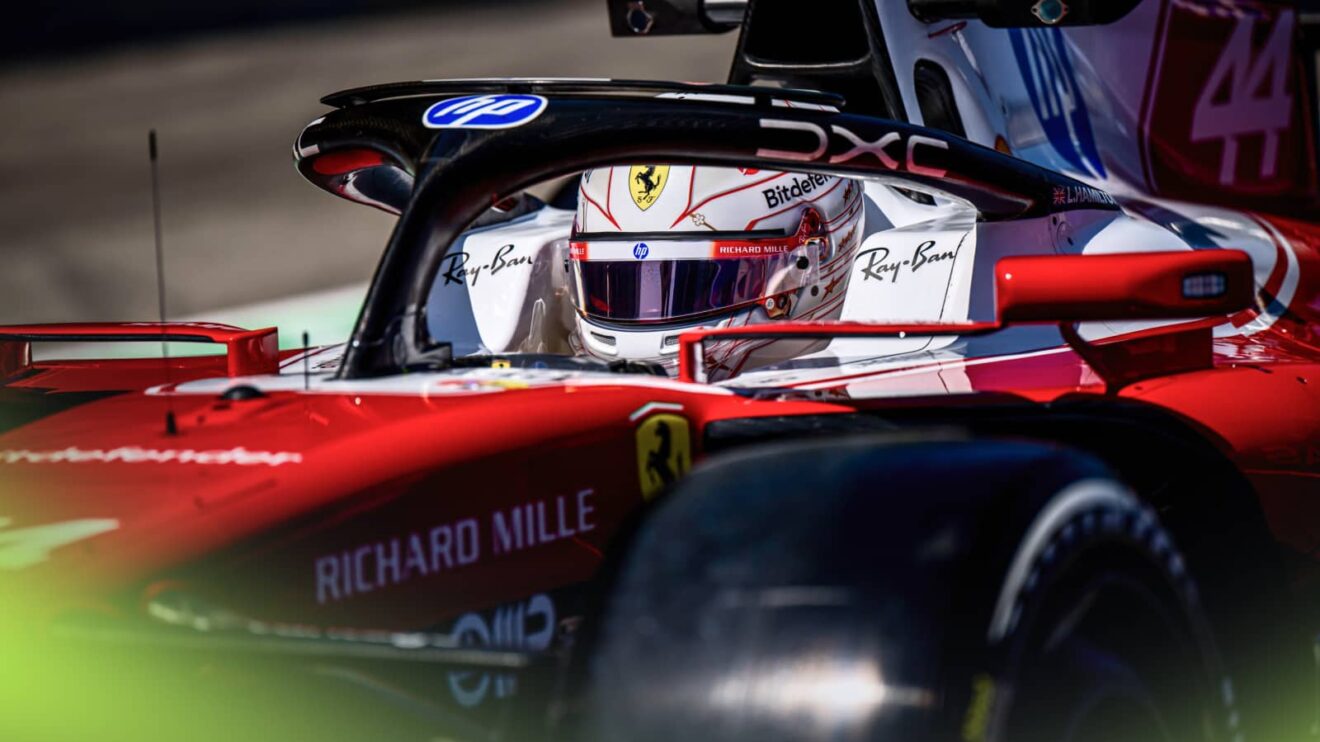
- Other drivers echo the concern but express skepticism about being heard. Lewis Hamilton noted drivers have "no voting rights," while Carlos Sainz urged the FIA to prioritize driver feedback over team interests, warning that such speed deltas "is actually not racing."
What's Next:
The FIA has scheduled a meeting with F1 on April 9th to review the Suzuka crash and discuss potential solutions. The immediate focus will be on finding a short-term fix, possibly by the Miami Grand Prix, to mitigate the most acute risks posed by the current power unit deployment rules.
- However, driver expectations for swift, significant change are low due to the need for team consensus on most regulatory matters. Verstappen's 'safety' argument is seen as a potential path to circumvent this political inertia, but it remains untested for this specific issue.
- The incident and subsequent driver criticism add significant pressure on the FIA and F1 to not only address the immediate 2024 concerns but also to critically reassess the 2026 power unit regulations to prevent embedding similar flaws into the next era of the sport.
Original Article :https://www.planetf1.com/news/max-verstappen-fia-safety-rule-changes-force-actio...