



Verstappen Explains His 'Not 102%' Driving Philosophy
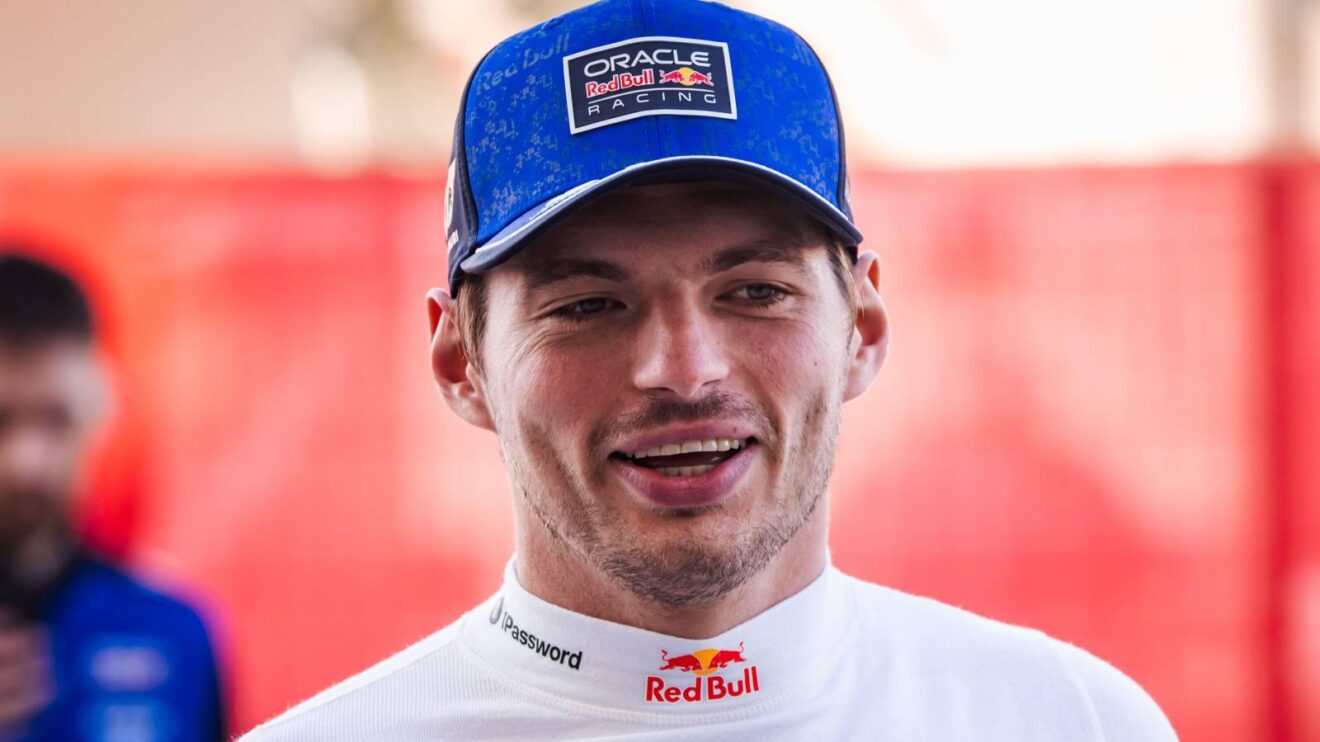
Max Verstappen attributes his exceptional car control and consistency to a lifetime of racing diverse vehicles and a conscious choice not to constantly drive at an unsustainable "102 percent" limit. The reigning champion suggests many rivals wear themselves out by always pushing to the absolute maximum, while he focuses on a more manageable and repeatable pace.
Why it matters:
Verstappen's insight offers a rare glimpse into the mentality that separates elite performers from the rest. In a sport where marginal gains are everything, his approach of strategic restraint over constant aggression could be a key component of his relentless consistency and racecraft, explaining his ability to avoid major errors while maintaining blistering speed.
The details:
- Diverse Racing Foundation: Verstappen credits his adaptability to growing up racing "whatever had an engine," from karts to GT cars. This variety built a broad skill set and muscle memory that translates to critical moments in Formula 1.
- The 102% Mindset: He observes that many drivers are "constantly on... trying to go as fast as they can," an approach he consciously avoids. Instead of perpetually operating at an unsustainable peak, he implies his default mode is a controlled, high percentage that preserves consistency and car integrity.
- Skill Transferability: Techniques learned in Formula 1 can be applied to other racing disciplines like endurance prototypes, and vice-versa, creating a continuous feedback loop that hones his overall driving ability.
- Simulator Practice: He also highlighted the role of constant online simulator practice in reinforcing muscle memory and racecraft, a tool used by most modern F1 drivers.
What's next:
Verstappen will immediately put this philosophy to the test as the 2026 Formula 1 season begins in Melbourne. All eyes will be on whether this calculated approach can fend off renewed challenges from rivals like Lando Norris and a potentially resurgent Ferrari, as he begins his campaign for a fifth World Championship.
Original Article :https://www.planetf1.com/news/max-verstappen-driving-style-explained-102-per-cen...