





McLaren Anticipates Future Design Convergence in F1's New Era, But Not Immediately
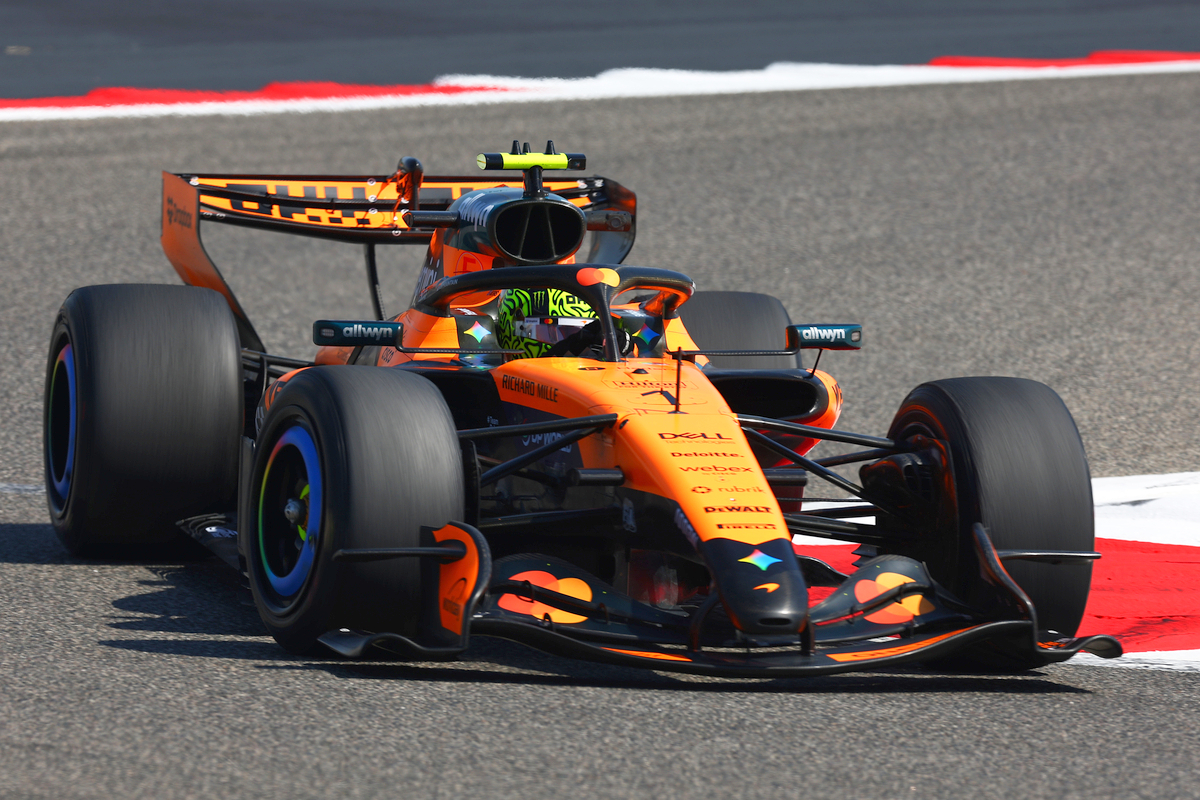
McLaren enters the 2026 Formula 1 season as the defending champion but acknowledges a complete reset under new technical regulations, with Chief Designer Rob Marshall predicting an eventual convergence in car designs across the grid. The team is focused on understanding the complex new MCL40 and optimizing its hybrid power unit, bracing for an intense development war where managing energy deployment will be critical to victory.
Why it matters:
The 2026 regulatory overhaul has forced every team to start from a fresh slate, potentially reshuffling the competitive order. For an independent team like McLaren, succeeding against manufacturer-backed rivals in this new, complex era is crucial to maintaining its championship status. How quickly teams can master the new hybrid systems and aerodynamic concepts will define the early seasons of this new chapter in F1.
The details:
- A Complex New Challenge: Rob Marshall highlights the increased complexity of the 2026 cars, noting high driver workload and the need to optimize numerous new tools both at the track and at the team's Woking factory.
- Testing Focus on Learning: Pre-season testing was dedicated not to headline lap times but to exploring the car's performance envelope and, crucially, understanding the new hybrid power unit. Key tasks included determining optimal moments for energy recovery and deployment across various race scenarios.
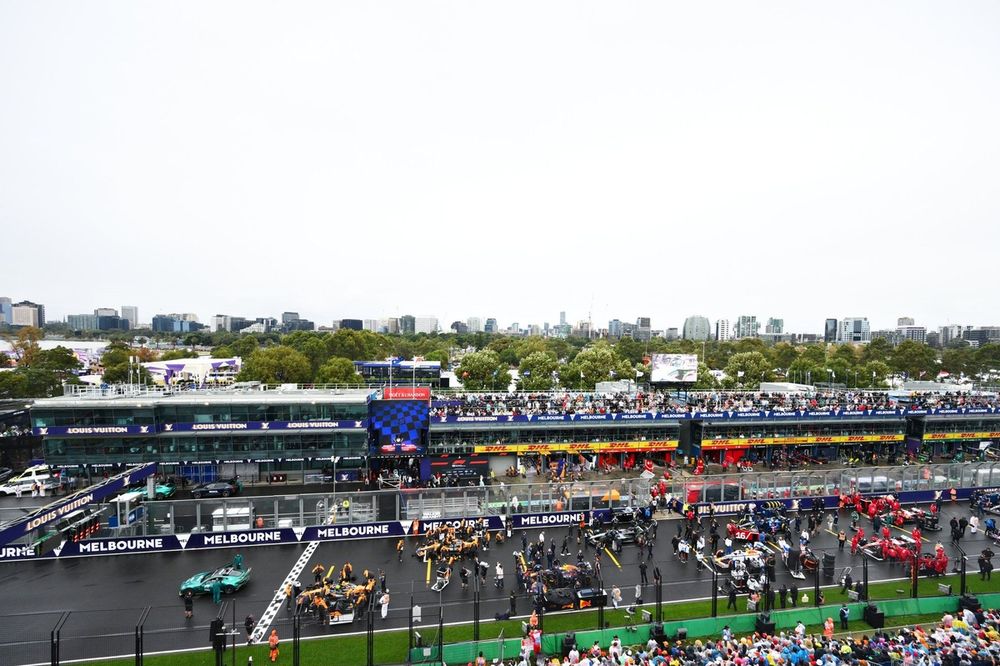
- Confidence in the Foundation: Marshall states the team is "reasonably happy" with the MCL40's base package and believes they understand its potential. The immediate challenge is translating learnings from testing to the different circuit in Melbourne under race weekend pressure.
- Design Diversity and Future Convergence: The new rules have sparked visible design innovation across the grid. Marshall finds this diversity encouraging but anticipates that, over time, teams may converge on a common optimal design philosophy, though he hopes the variety persists.
What's next:
McLaren views itself as part of a leading group alongside Ferrari, Mercedes, and Red Bull but expects a fiercely unpredictable season. The development race will be more intense than ever, with surprises likely as teams unlock more performance from their new cars.
- The ability to perfectly manage the complex hybrid power unit during a race is identified as the decisive factor for winning.
- While design convergence across the grid is seen as a long-term possibility, the immediate future of the 2026 season is marked by glorious unpredictability, and McLaren is determined to remain at its forefront.
Original Article :https://f1i.com/news/560027-mclaren-sees-2026-design-convergence-coming-but-not-...