



Verstappen and Hamilton Clash Over F1's Future Rules
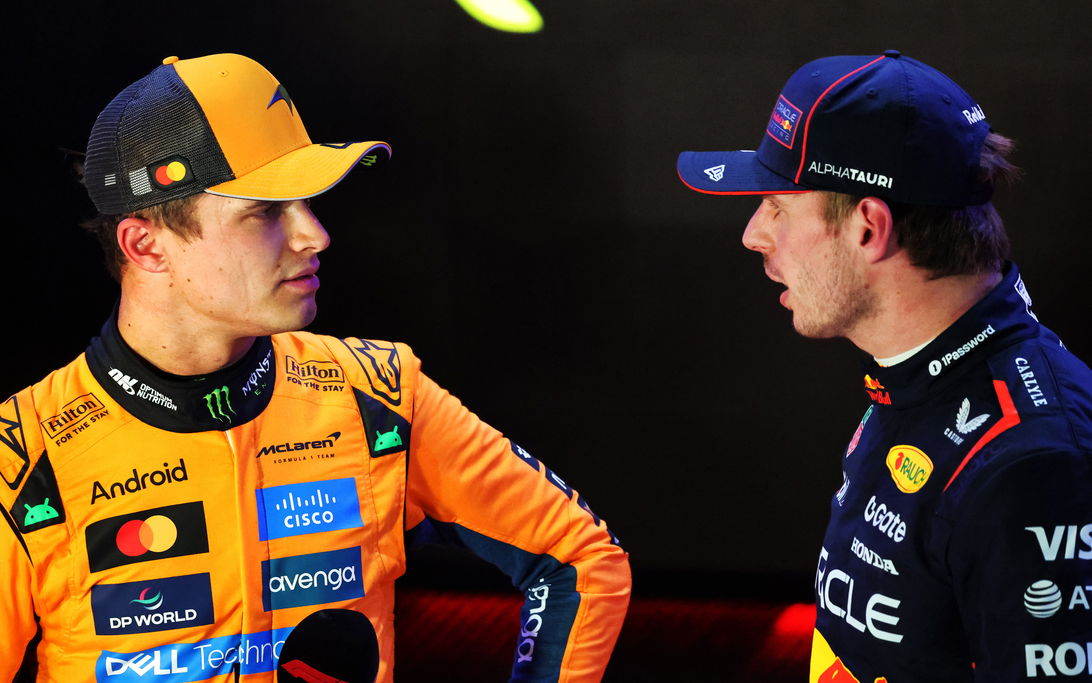
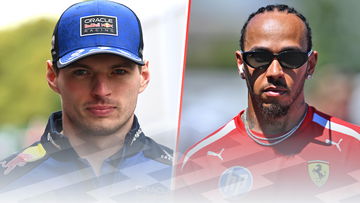
Max Verstappen and Lewis Hamilton have publicly staked out opposing positions on the future direction of Formula 1's technical regulations, highlighting a fundamental philosophical split within the sport. The reigning world champion has been vocal in his criticism of proposed rule changes aimed at making cars smaller and lighter, while the seven-time champion advocates for the changes as a necessary step to improve racing. This debate comes at a critical juncture as the FIA and teams work to finalize the 2026 technical framework.
Why it matters:
The direction of the 2026 regulations will shape the competitive landscape for years to come and directly impact the quality of on-track action. With drivers at the pinnacle of the sport expressing such divergent views, it underscores the complex challenge facing rule-makers in balancing performance, sustainability, and the core spectacle of wheel-to-wheel racing. The outcome of this debate could define whether F1 moves towards a more agile, race-focused formula or maintains its current high-downforce, high-speed identity.
The details:
- Verstappen's Stance: The Red Bull driver has been openly skeptical, suggesting the push for smaller, lighter cars is driven more by narrative than practical benefit. He has argued that current cars are already phenomenal pieces of engineering and that drastic changes could undermine progress, famously stating he would consider his future in the sport if certain entertainment-focused changes were implemented.
- Hamilton's Advocacy: In contrast, Hamilton has consistently called for smaller, more nimble cars to improve overtaking and close racing. He believes the current generation of cars, while fast, are too heavy and large for certain circuits, compromising the racing spectacle. His viewpoint aligns with the stated goals of the FIA to create more dynamic competition.
- The 2026 Pivot Point: The debate is centered on the next major regulatory shift set for 2026, which will introduce new power units with a 50/50 split between internal combustion and electrical energy. The chassis rules are being developed in tandem to complement these new engines, with a focus on reduced drag and weight.
- Underlying Tensions: The disagreement goes beyond mere preference, touching on generational perspectives. Verstappen, dominant in the current era, sees little broken that needs fixing. Hamilton, having raced through multiple regulatory eras, is advocating for change based on a longer-term view of the sport's health.
What's next:
The FIA is expected to present the final draft of the 2026 technical regulations in the coming months, which will then be put to a vote by the teams. The governing body faces the delicate task of reconciling these opposing driver viewpoints with engineering feasibility and the long-term strategic goals of the championship.
- The final rules will need to satisfy multiple stakeholders: manufacturers investing in new power units, teams designing new cars, and fans expecting compelling races.
- How the final compromise lands will be a major test for F1's leadership and could set the tone for whether the sport prioritizes pure engineering excellence or maneuverable racing cars as its core product for the next decade.
Original Article :https://racingnews365.com/max-verstappen-and-lewis-hamilton-at-odds-as-f1-rules-...