




Unpacking Ferrari's Deep-Seated Struggles in the 2025 F1 Season
Ferrari's 2025 F1 season has been marred by a series of missteps and fundamental design flaws, leading to inconsistent performance. Technical expert Paolo Filisetti delves into the core issues, pointing to a critical development choice that inadvertently hampered the SF-25's adaptability and overall potential.
Why it matters:
Ferrari's inability to consistently perform despite flashes of speed highlights a deep-rooted problem that goes beyond race-weekend management. Understanding these internal decisions is crucial for discerning why a team with such resources is struggling to contend for championships, impacting the entire competitive dynamic of Formula 1.
The Details:
- Unexpected Contradictions: The 2025 season has frequently defied predictions, with teams' performance often overturning expectations based on circuit characteristics and car design.
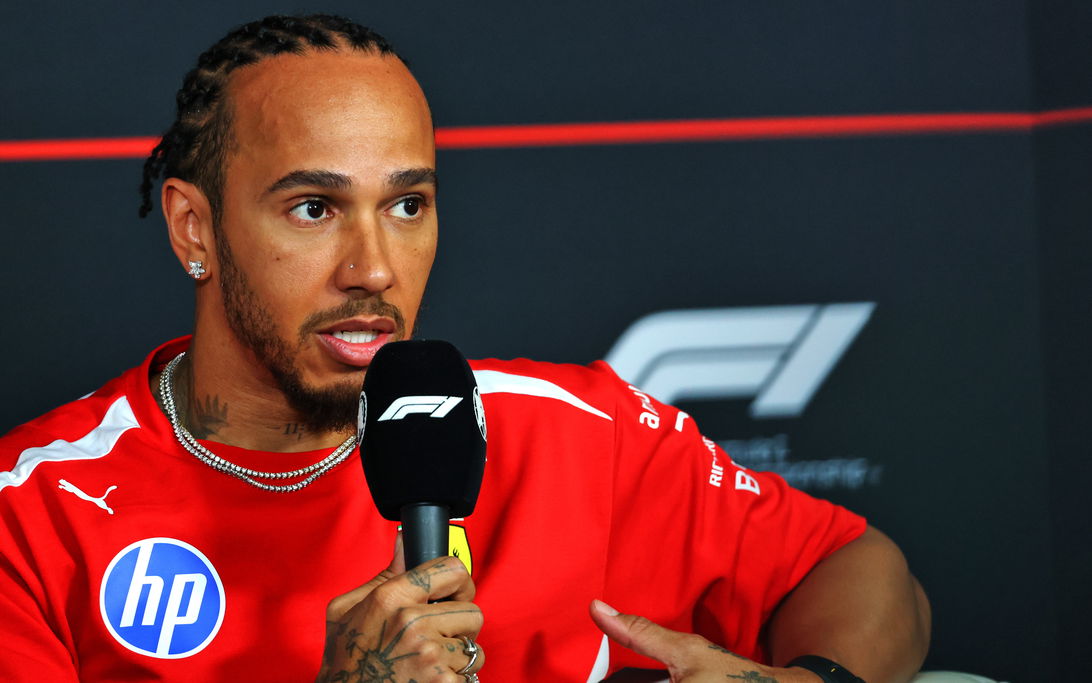
- Baku Disappointment: Ferrari, initially favored for the Azerbaijan Grand Prix, significantly underperformed in qualifying and the race after a promising FP2, where Lewis Hamilton and Charles Leclerc secured first and second places.
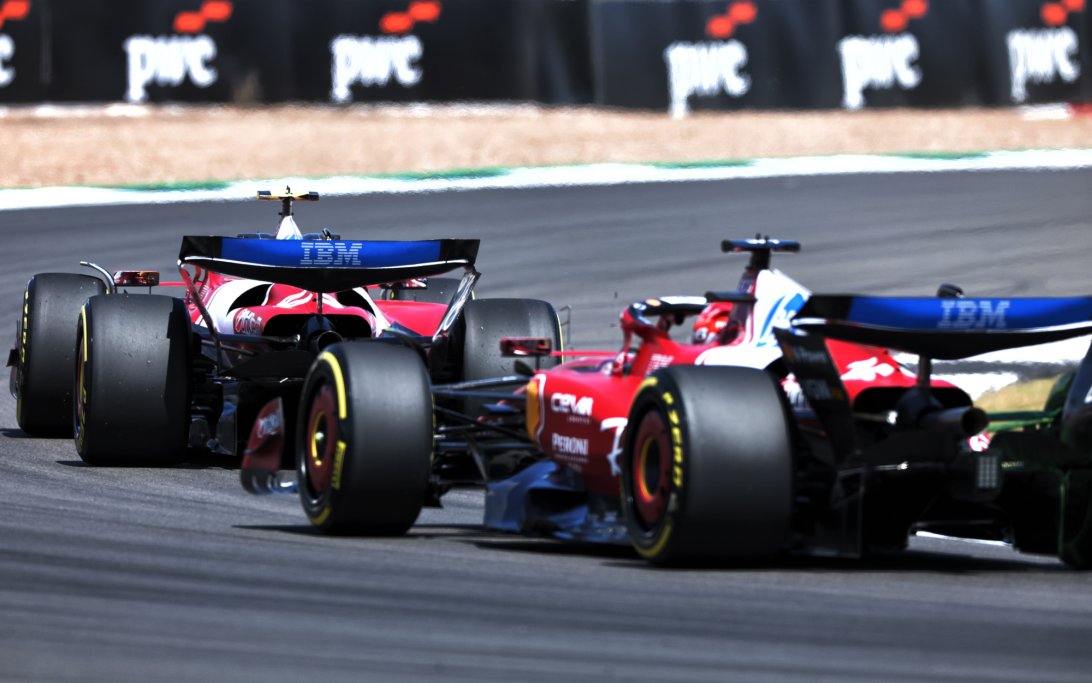
- Singapore Revelation: The disappointing Saturday and Sunday performances at the Singapore Grand Prix, following a strong start, suggested that the SF-25's inherent design characteristics, rather than poor car management, were the root cause.
- Rear Suspension Revision: From the Belgian Grand Prix onwards, Ferrari introduced a revised rear suspension. Paradoxically, this update seemed to exacerbate the car's intrinsic design issues.
- The Development Crossroads: After the initial races, Ferrari's technical director Loïc Serra opted to prioritize dynamic development (suspension) over planned aerodynamic updates. Serra believed a more stable dynamic platform would unlock the car's intended aerodynamic performance.
- Three-Month Hiatus: This strategic shift consumed approximately three months, effectively halting all aerodynamic evolution as resources were redirected to the suspension project.
- During this period, at least two minor underfloor aerodynamic updates were reportedly shelved.
- Unintended Side Effect: While the suspension changes partially achieved the goal of making aerodynamics less sensitive to ride height, they rendered the SF-25 largely unresponsive to setup changes.
- The car performs optimally only when the simulator setup perfectly matches real-world conditions; otherwise, it struggles to adapt, even with adjustments.
- Chronic Understeer: This inflexibility became evident in Singapore, where persistent understeer made cornering difficult, leading Leclerc to describe attempted setup changes as "stupid" due to their ineffectiveness.
Between the lines:
- Marginalized Aerodynamics: The decision to prioritize suspension development effectively sidelined Ferrari's aerodynamics department, preventing it from implementing updates that some within the team believed would have been more beneficial and aligned with driver needs.
- No Margin for Error: The incredibly tight performance gaps in the 2025 season (often less than two-tenths of a second separating the top ten cars) demand a design philosophy that allows for significant in-weekend setup optimization. The SF-25, conceived for maximizing peak performance with a new pull-rod front suspension, lacks this crucial adaptability.
What's next:
Ferrari's ongoing struggles highlight the critical need for a more versatile and adaptable car design. To regain competitiveness, the Scuderia must re-evaluate its development priorities, ensuring that future designs can thrive across diverse circuit conditions and respond effectively to race-weekend adjustments, rather than relying on a narrow operational window.
Original Article :https://racingnews365.com/the-deep-rooted-causes-of-ferraris-major-2025-failure