





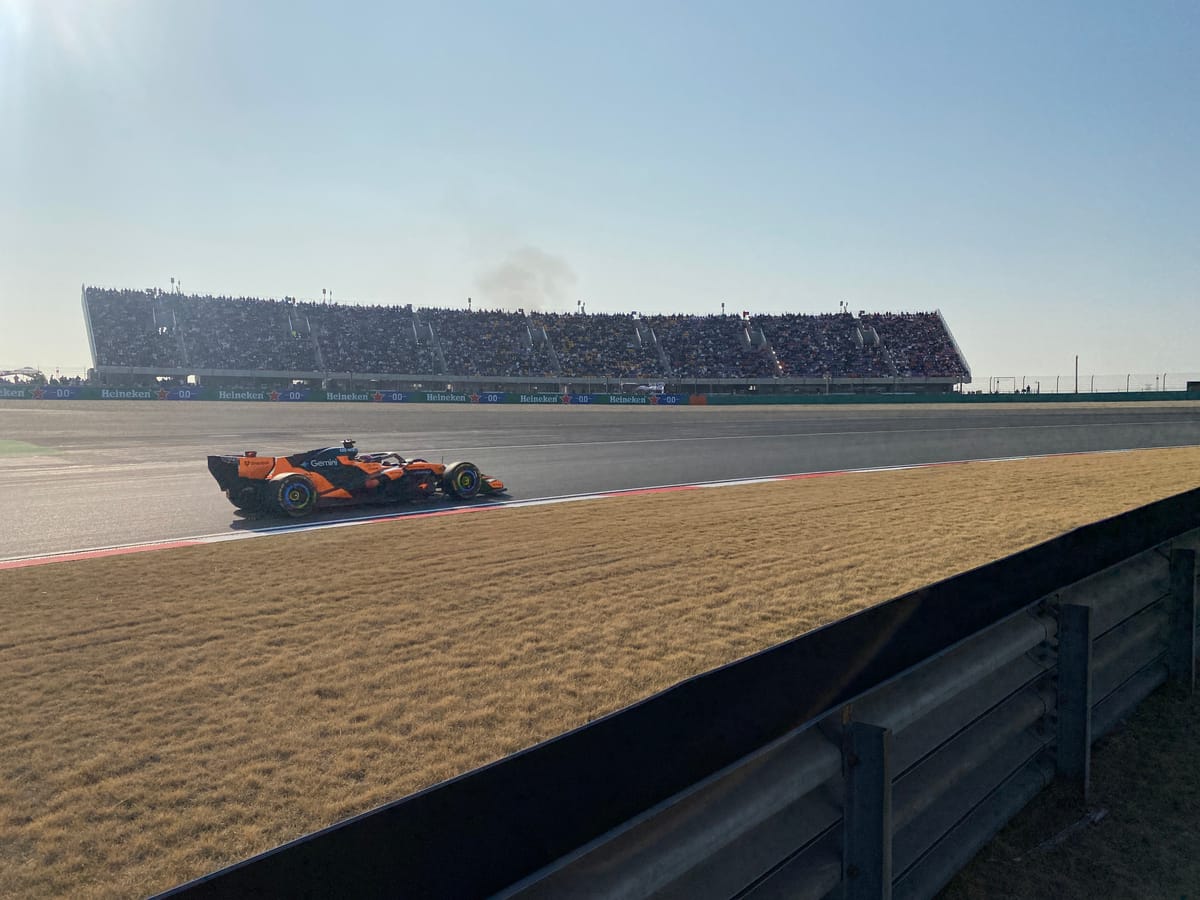
Trackside Analysis: How Shanghai Reveals the Best of F1's 2026 Cars
The sprint qualifying session at the Shanghai International Circuit provided the clearest track-side demonstration yet of the 2026 Formula 1 cars' potential, revealing improved agility and impressive power delivery on a circuit that is less punishing on energy than others like Melbourne. Observing from the infield between Turns 1 and 3 highlighted both the cars' strengths in high-energy corners and the distinct driving styles and car behaviors across the top teams, offering a glimpse of their capabilities when operating near their optimal window.
Why it matters:
Shanghai represents a crucial data point for understanding the new generation of cars. Its layout is relatively energy-rich, placing fewer thermal and deployment constraints on the power units compared to circuits like Albert Park. This allows the cars' mechanical and aerodynamic performance to be more fully expressed, providing a valuable contrast and helping define the spectrum within which these 2026 machines operate.
The Details:
- The Ideal Corner: The fast, tightening-radius entry to the long Turn 1 right-hander is described as an ideal corner for these cars. It allows for significant speed carry and "super clipping," with cars taking it in eighth gear, looking as spectacular on entry as the previous generation.
- Agility Showcase: The rapid succession of Turn 2 and Turn 3 proved to be the key section for observing the cars' improved agility over their 2025 predecessors. Driver approach and car balance here were critical to a clean exit onto the following straight.
- Team & Driver Contrasts:
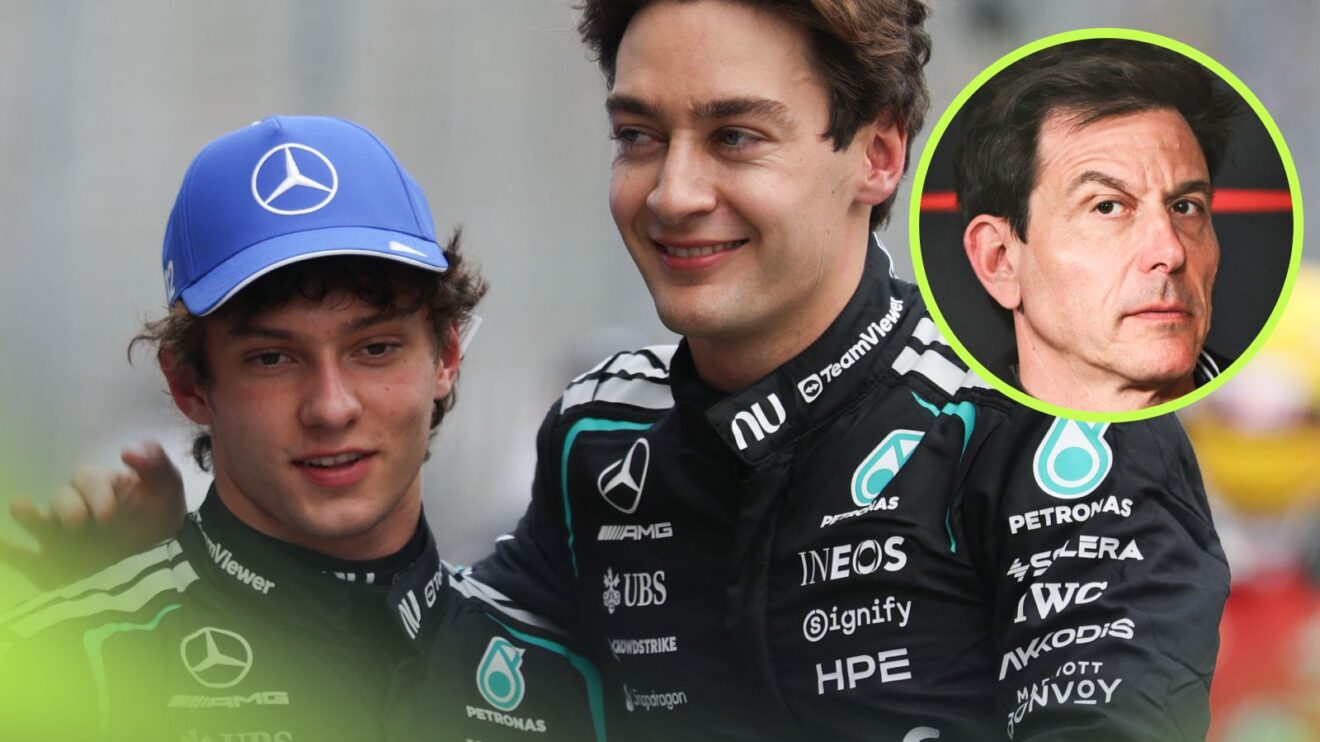
- Mercedes: George Russell displayed a notably conservative, silky-smooth approach on his first SQ3 lap, exiting Turn 3 wide to open up the entry to Turn 3 for a stable run. Teammate Kimi Antonelli was more attacking initially but adapted to a line closer to Russell's on his second attempt for more stability.
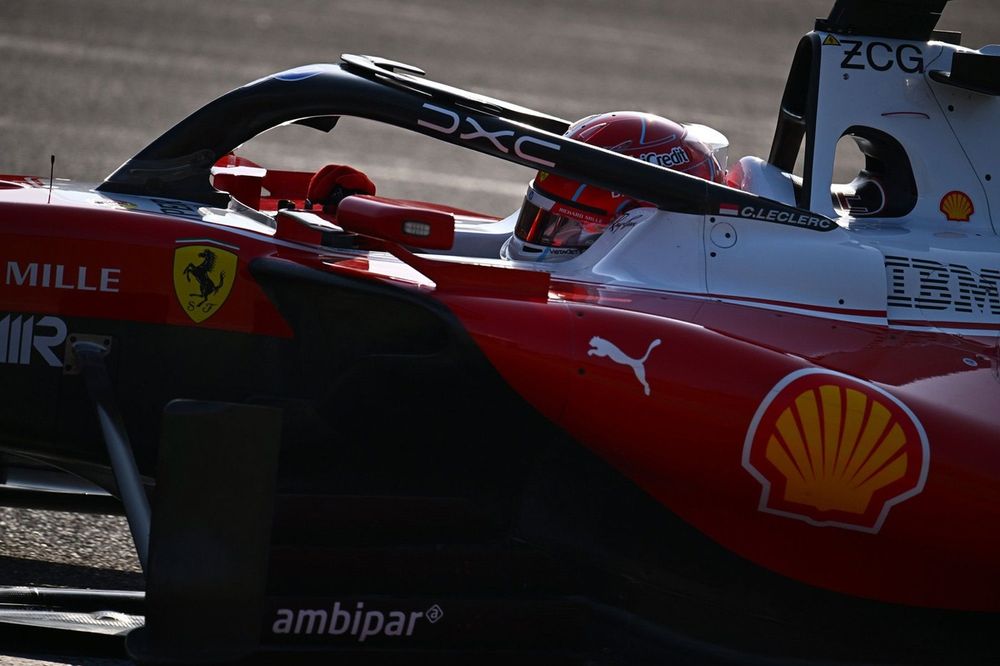
- Ferrari: The car appeared responsive through the section. Lewis Hamilton could carry strong mid-corner speed with a precise nose-in approach. Charles Leclerc was less content, struggling with an aggressive entry on his first lap that caused a slide and a floor strike, forcing him to back off slightly on his second run.
- McLaren: Lando Norris's single-lap approach was more aggressive, "hustling" the car and causing brief rear traction loss. Oscar Piastri achieved a better exit by rotating the car quicker and getting on the power earlier.
- Red Bull: Both cars looked "lazy" compared to their rivals. Max Verstappen appeared smooth but limited by front-end grip, while Isack Hadjar's car seemed disconnected and unwilling to respond to more aggressive inputs, performing more like a midfield contender in this section.
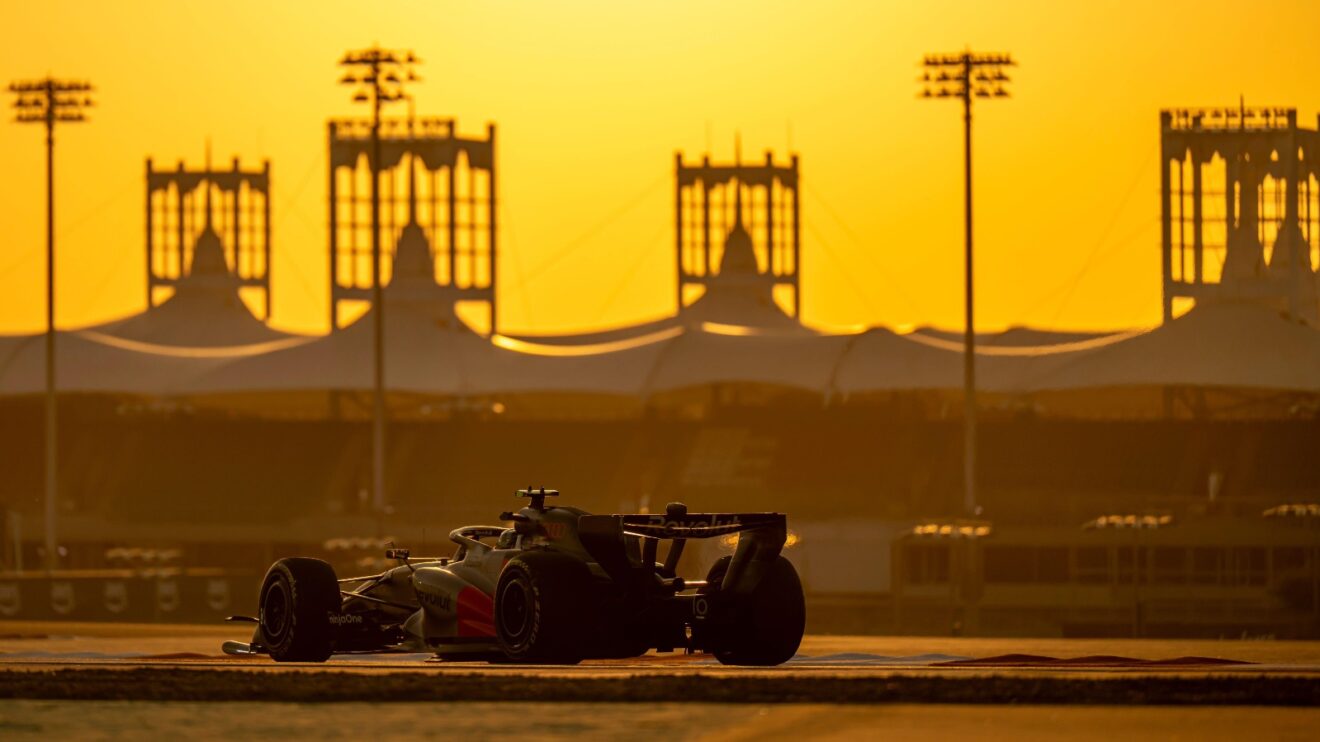
- Power Impression: The most striking visual takeaway was the impressive torque and power deployment as cars launched out of the corners, underscoring the significant power available when the systems are not overly constrained.
The Big Picture:
While the 2026 cars still have well-documented limitations that hamper drivers on more energy-sensitive tracks, the Shanghai sprint session proved that at their best—on a suitable circuit—they can match or even momentarily eclipse the spectacle of the previous generation. The performance gap observed between the lead pack (effectively three teams in Shanghai) and the rest of the field was also starkly underlined. This glimpse of high performance potential validates the development direction, even as teams continue to work on expanding the cars' operational sweet spot across a wider variety of circuits.
Original Article :https://www.the-race.com/formula-1/trackside-view-how-china-showcases-f1-2026-ca...
