


Toto Wolff urges tighter F1 rules rather than banning dual ownership after Miami incident
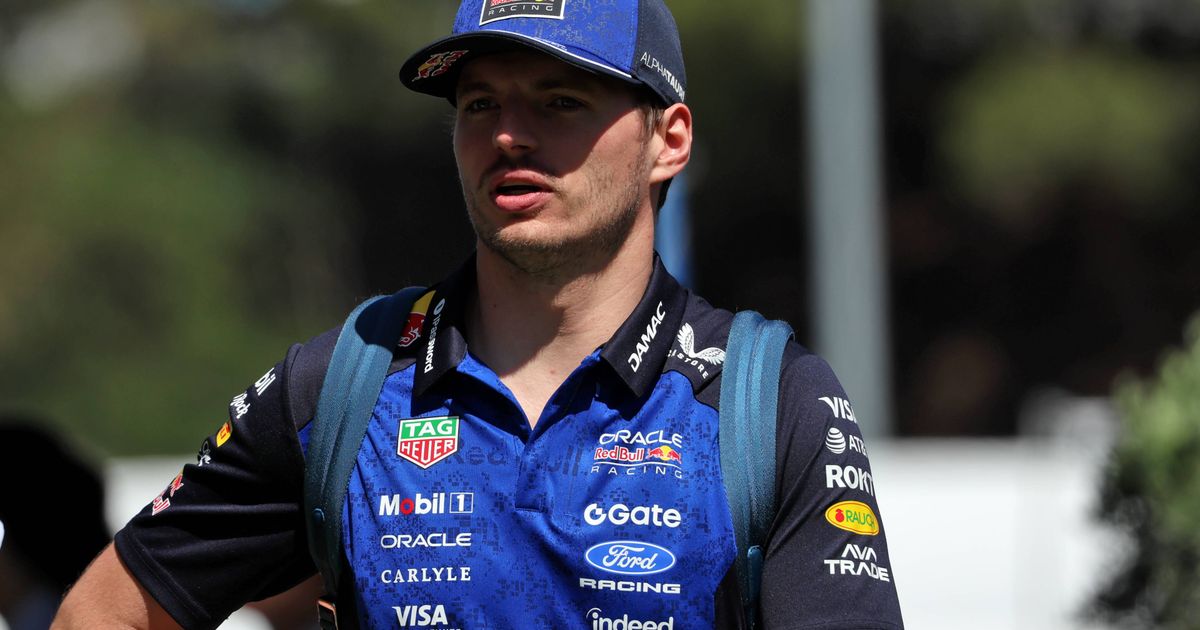
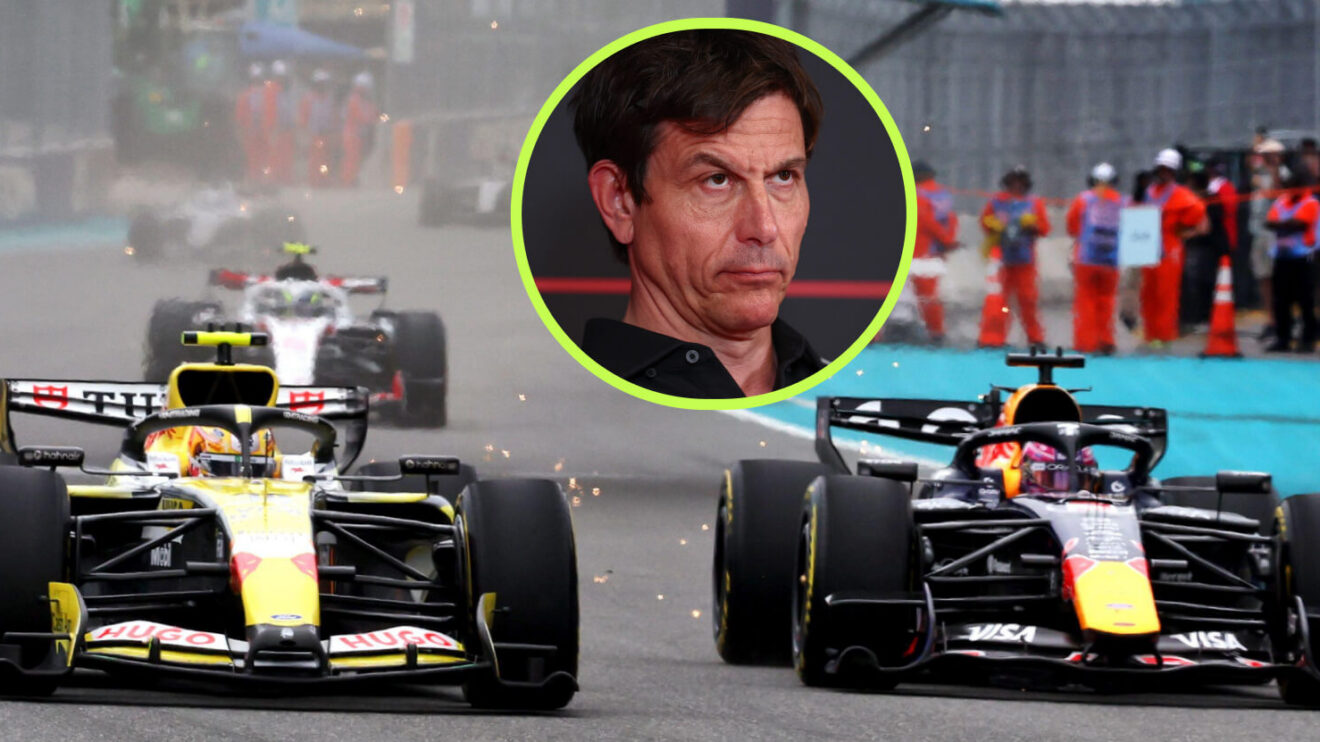
Toto Wolff has cautioned Formula 1 against slamming the "full handbrake" on dual team ownership and customer partnerships, arguing instead for tighter regulations to define acceptable collaboration. The Mercedes boss acknowledged that Max Verstappen's pass on Liam Lawson at the Miami Grand Prix was "facilitated" by the Red Bull-Racing Bulls relationship, but warned that outlawing such structures entirely could cripple smaller outfits dependent on manufacturer support.
Why it matters:
The debate over A/B teams has intensified following McLaren CEO Zak Brown's letter to FIA President Mohammed Ben Sulayem demanding a ban on dual ownership. Wolff's stance adds a crucial counter-narrative: while concerns about competitive fairness are valid, eradicating customer relationships could force teams like Haas—who rely on Ferrari for engines, gearboxes, and hydraulics—to shoulder unsustainable costs as standalone constructors. The discussion strikes at the heart of how F1 balances sporting integrity with financial viability in the cost-cap era.
The details:
- The Miami incident: During the Miami Grand Prix, Racing Bulls instructed Lawson to yield a position to Verstappen after both went off-track while battling. Lawson initially emerged ahead but complied with the team order, which was later admitted as a pit wall error aimed at avoiding a penalty rather than rectifying a sporting injustice.
- Brown's position: Brown cited the incident as evidence that dual ownership is "not healthy for the sport," urging the FIA to dissolve existing structures and prohibit shared control.
- Wolff's rebuttal: Wolff agrees the overtake was facilitated but questions where the line should be drawn. He notes that pre-cost cap, customer deals were essential to attracting new entrants, and even today, a small team like Haas cannot independently manufacture power units, gearboxes, or rear-end components.
- The Alpine context: Mercedes, where Wolff is co-owner, recently withdrew from negotiations to buy Otro Capital's 24% stake in Alpine. The deal collapsed after Otro reportedly demanded around $720 million—valuing the team at roughly $3 billion—far exceeding Mercedes' assessment.
What's next:
F1 faces a delicate regulatory balancing act. Wolff insists the solution lies in crystal-clear rules governing both sporting conduct and technical collaboration, rather than restructuring ownership. With the grid currently healthy and the cost cap established, any move toward mandating full constructor independence risks alienating smaller teams. The FIA and FOM must now decide whether stricter collaboration limits can satisfy rivals like McLaren without dismantling the customer model that keeps the entry list at ten competitive teams.
Original Article :https://www.planetf1.com/news/toto-wolff-f1-ownership-warning-facilitated-max-ve...