



Toto Wolff Admits 'Micromanagement' Error in 2016 Title Decider
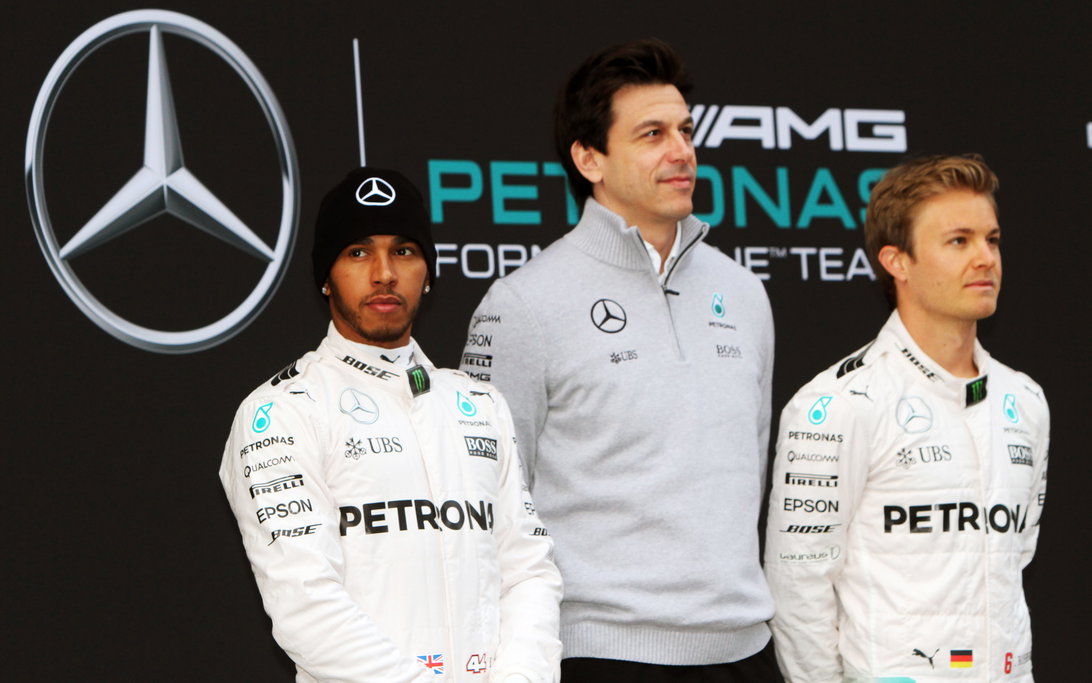
Toto Wolff has admitted that his approach to the 2016 Abu Dhabi Grand Prix was flawed, acknowledging that the pit wall's attempt to micromanage the battle between Lewis Hamilton and Nico Rosberg created unnecessary controversy. Reflecting on the race that decided the world championship, Wolff conceded that experience has taught him the importance of leaving drivers to their own instincts during high-stakes finales.
Why it matters:
The incident remains one of the most debated moments in Mercedes' history, highlighting the tension between team control and driver autonomy. Wolff's admission underscores the evolution of his leadership style over the last ten years and the immense difficulty of managing two alpha drivers fighting for a world title.
The details:
- The Conflict: During the finale, Mercedes repeatedly urged Hamilton via radio to increase his pace to defend the lead against a closing Sebastian Vettel.
- The Strategy: Hamilton ignored these instructions, intentionally slowing the pace to pull Rosberg into Vettel's striking distance in an attempt to jeopardize Rosberg's championship lead.
- The Outcome: While Hamilton won the race, Rosberg finished second, which was sufficient to clinch the drivers' championship by three points.
- The Aftermath: Following the event, Mercedes simplified its written "rules of engagement" between teammates, concluding that management should not interfere with the natural pace of a title-deciding race.
The big picture:
Beyond the sporting drama, Wolff highlighted Nico Rosberg's successful transition into life after F1. Since retiring immediately after his 2016 triumph, Rosberg has established himself as a top-performing venture capital investor. Wolff compared this ability to reinvent oneself to the rare success seen in figures like Niki Lauda, noting that Rosberg's work ethic in the tech industry is highly respected.
Looking back:
While the controversy of 2016 has long since faded, this reflection serves as a case study in the psychological warfare of Formula 1. As the sport continues to evolve in 2026, the legacy of the Hamilton-Rosberg rivalry remains the definitive example of the complexities inherent in intra-team competition.
Original Article :https://racingnews365.com/toto-wolff-takes-blame-for-lewis-hamilton-nico-rosberg...