



Top F1 Teams Set to Maintain Dominance Despite 2026 Regulation Shake-Up
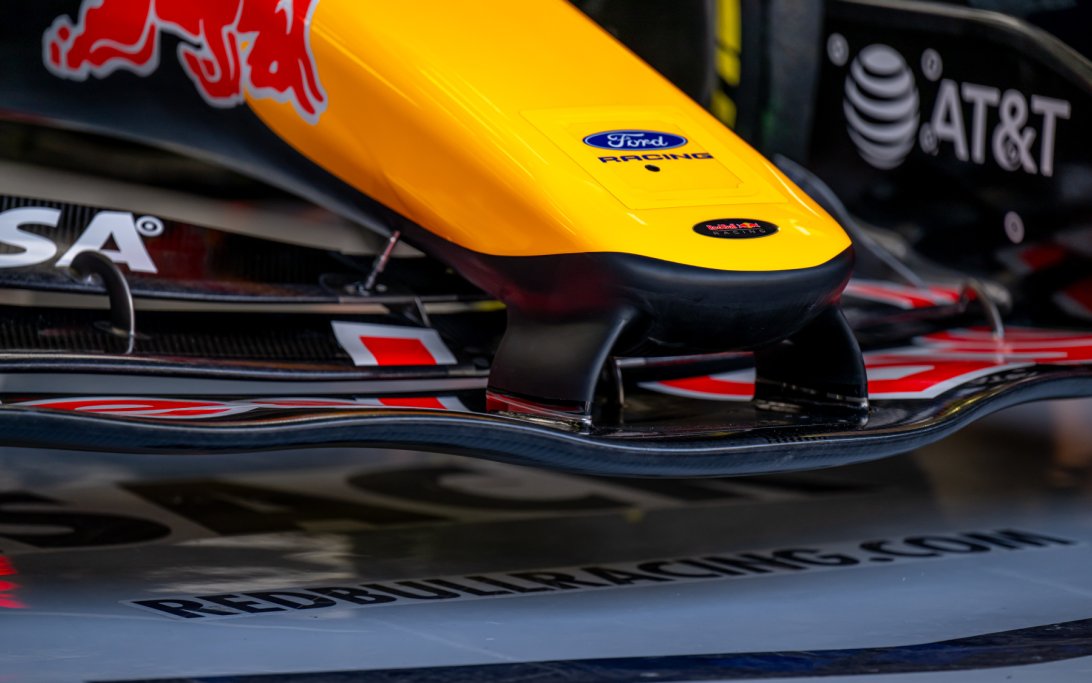
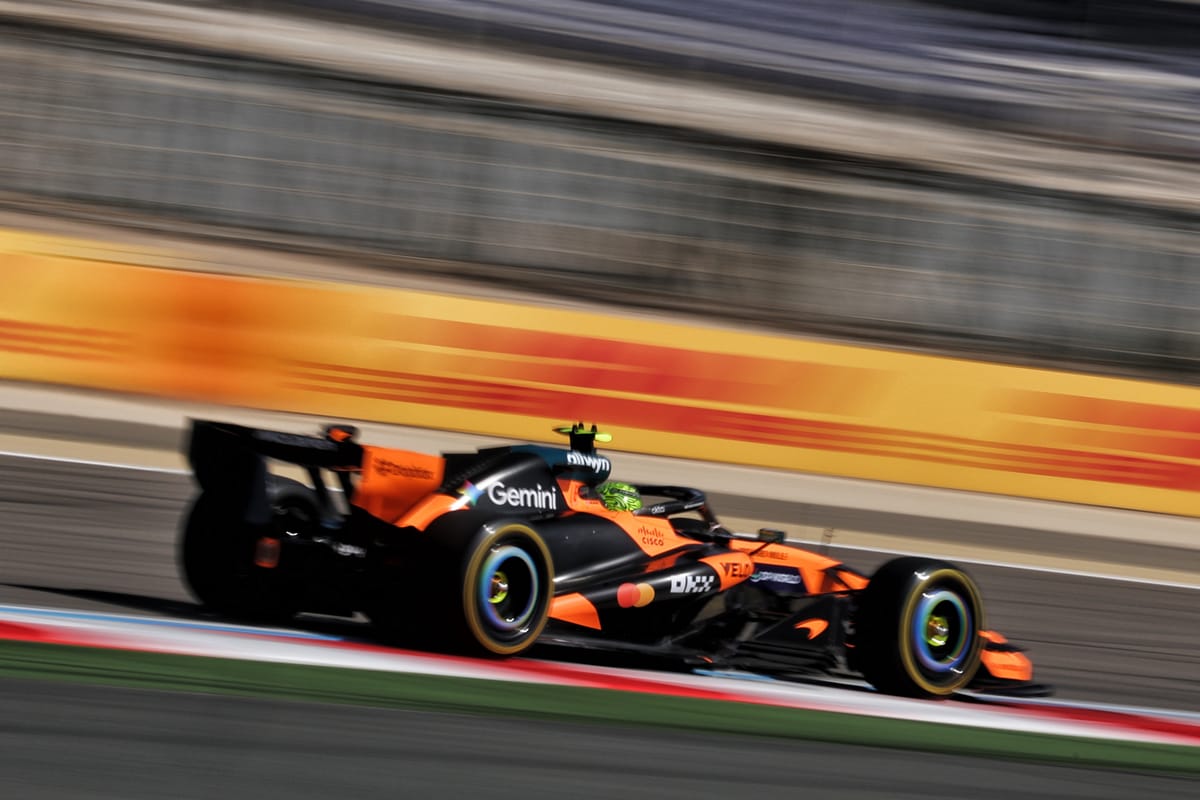
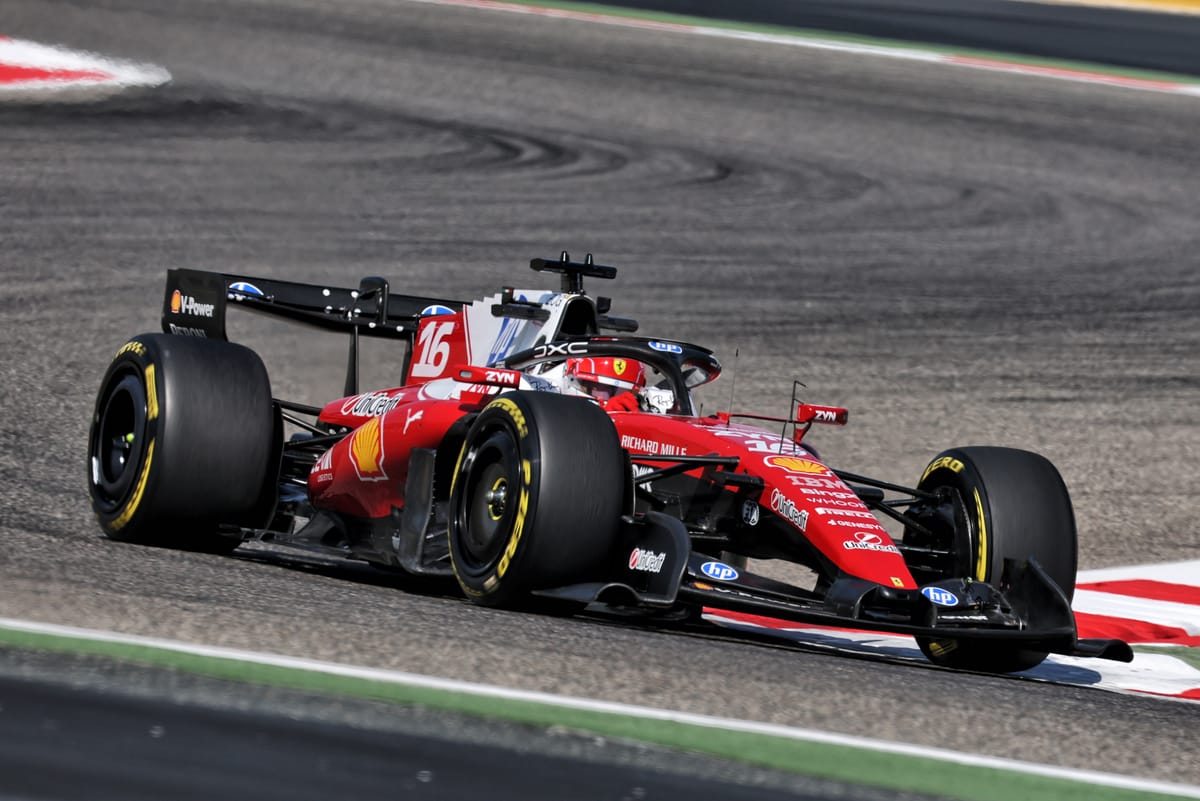
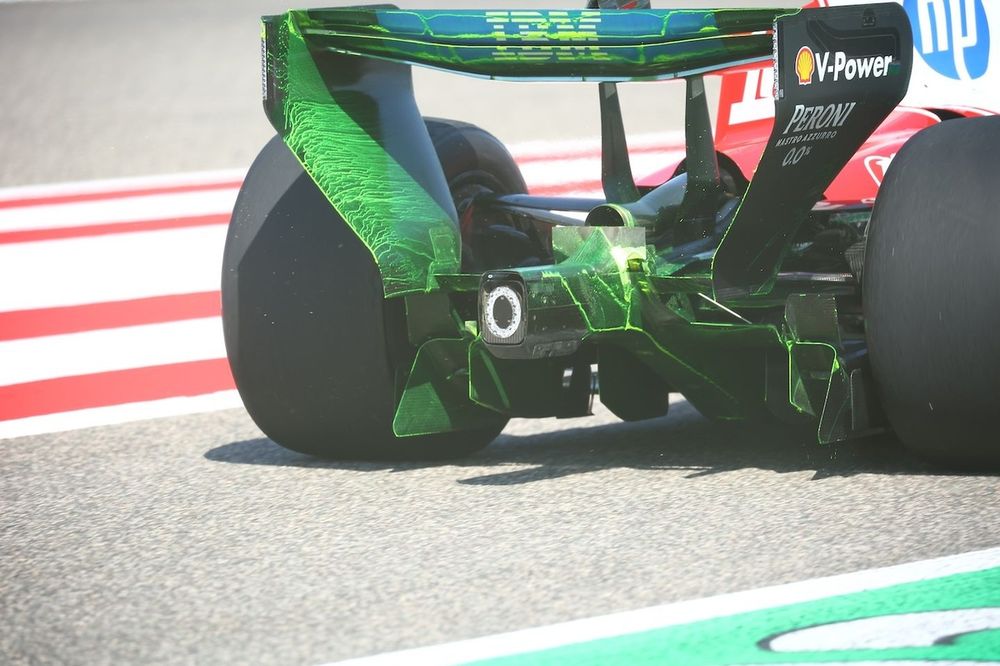
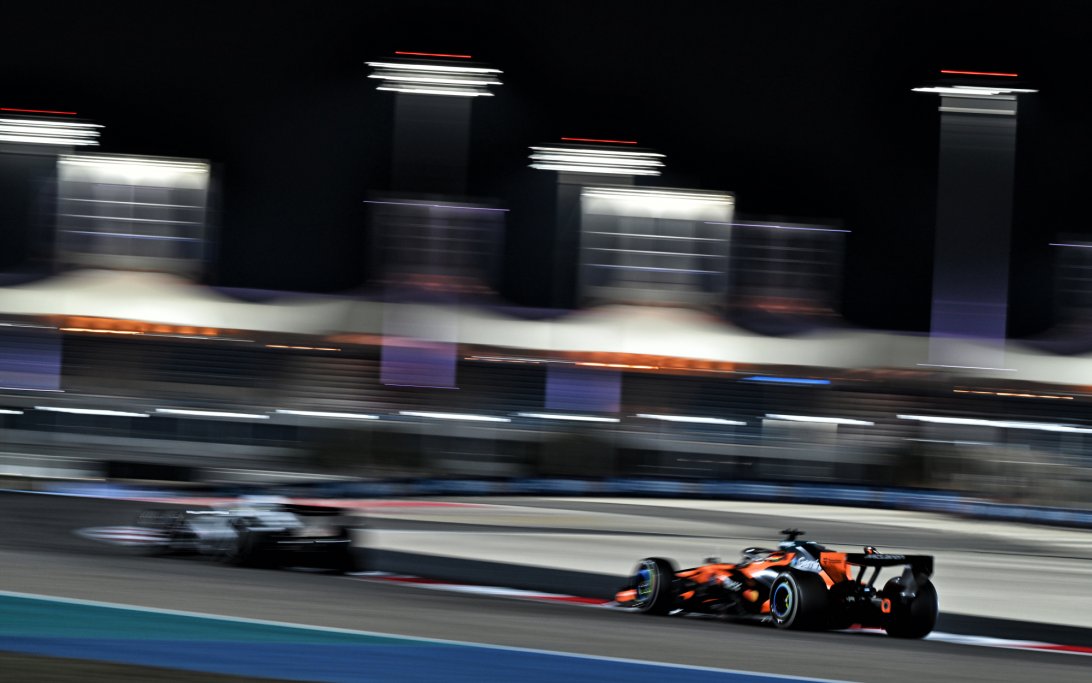
Despite one of the biggest technical regulation overhauls in Formula 1 history for 2026, early signs from pre-season testing suggest the established top four teams—Red Bull, Ferrari, McLaren, and Mercedes—are poised to extend their advantage over the midfield. Drivers and team principals from rival squads have conceded the performance gap appears to have widened, threatening a more stratified competitive order at the start of the new era.
Why it matters:
The 2026 rules, featuring active aerodynamics and a greater emphasis on electrical energy, were designed as a reset to shake up the competitive order. If the leading teams have already mastered the new concepts, it undermines the goal of closing the field and could lead to a prolonged period of dominance at the front, making the battle for the remaining points-paying positions the primary intrigue for the foreseeable future.
The details:
- Driver Consensus: Williams' Carlos Sainz stated the gap to the top four teams "has increased," while Haas' Esteban Ocon observed the top eight are close but the midfield is now "seconds away."
- Testing Times: The fastest laps from the first Bahrain test support this view. Mercedes led the way, with the top four teams all setting times in the 1:34s, while the best of the rest, Haas, was nearly two seconds adrift.
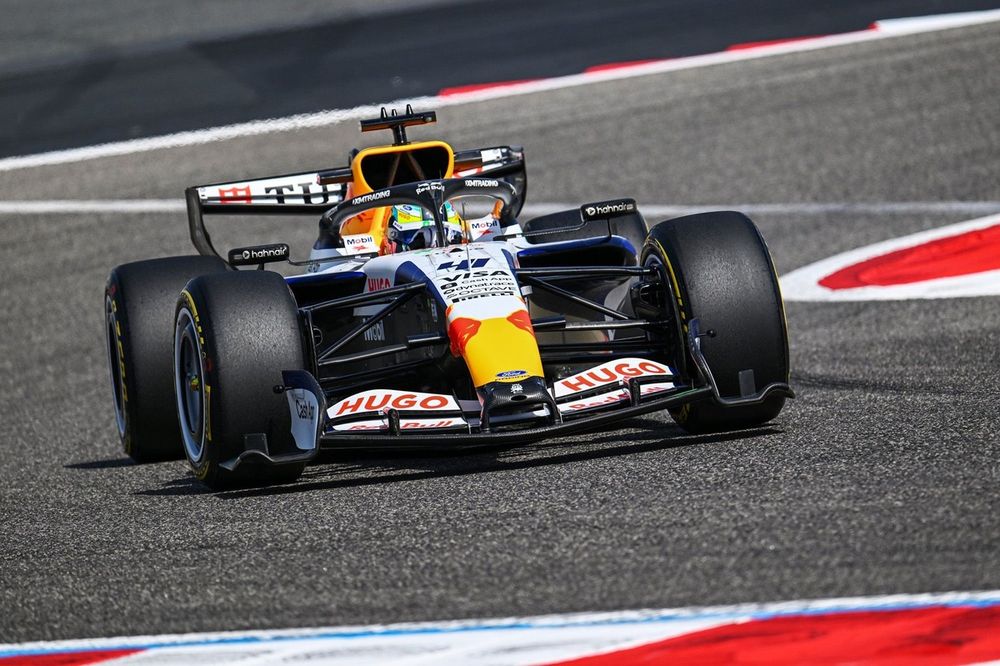
- Race Pace Concern: Racing Bulls Team Principal Alan Permane noted the top teams' impressive long-run performance, indicating their advantage isn't just about single-lap speed.
- Root Causes: Permane explained that major regulation changes typically benefit teams with superior resources and infrastructure. He also highlighted that stable rules, the cost cap, and aerodynamic testing restrictions (ATR) had previously helped the field converge.
- Talent Drain: A key factor is the continued concentration of top engineering talent at the most successful teams, as competitive individuals naturally gravitate toward winning environments.
The big picture:
The current situation reflects a tension at the heart of modern F1. While the budget cap and ATR were implemented to level the playing field, a fundamental regulation change resets the development race and plays to the strengths of organizations with deeper historical knowledge, better simulation tools, and elite personnel. The infrastructure and methodologies built during the previous unlimited-spending eras continue to provide a foundational advantage that new rules alone cannot immediately erase.
What's next:
Teams will analyze data from the second week of testing in Bahrain, with many bringing updates. While the initial gap looks significant, the stability of the 2026 regulations means there is a long-term path for convergence. The challenge for the midfield will be to leverage their greater allotted wind tunnel and CFD time effectively to close the deficit over the course of the season, hoping the natural development curve brings the racing closer together as the year progresses.
Original Article :https://www.motorsport.com/f1/news/midfield-seconds-away-top-teams-gap-2026/1079...