





Throwback: Alonso's terrifying airborne crash in Australia
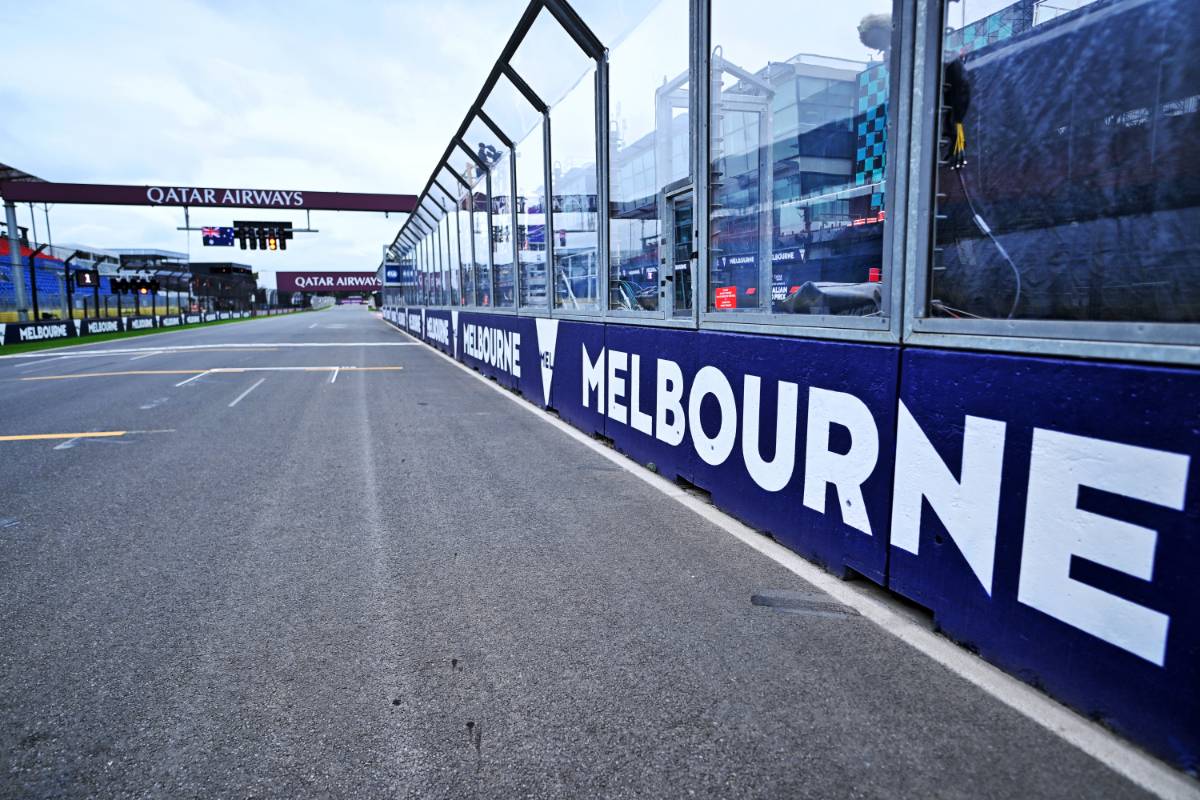
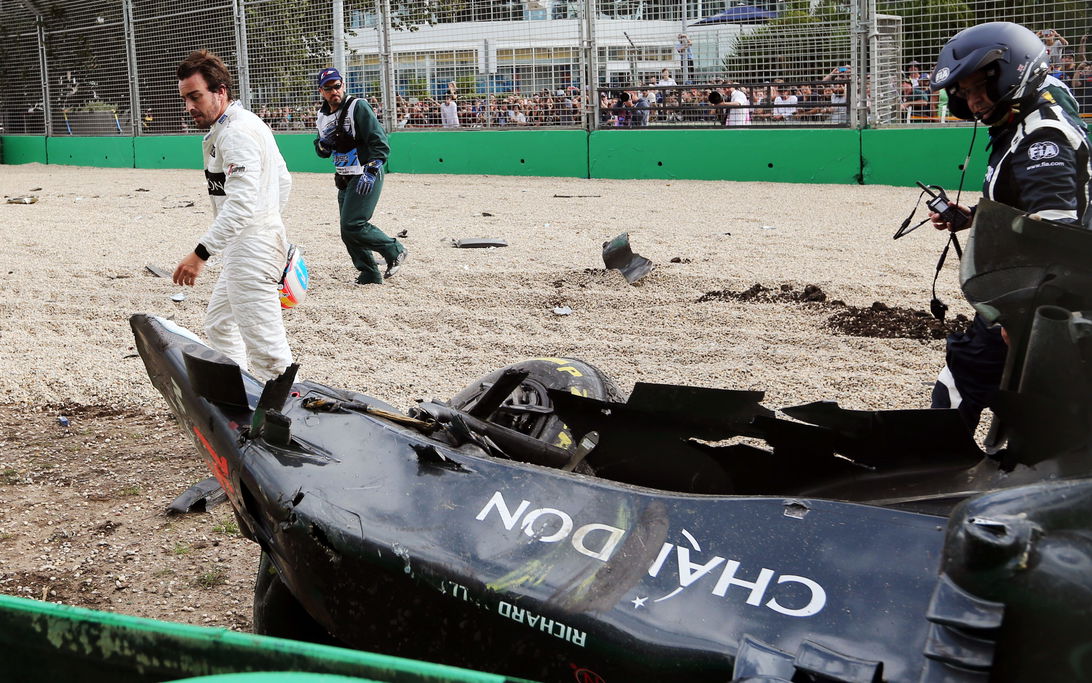
Ten years ago, Fernando Alonso survived one of the most dramatic airborne crashes in modern F1 history at the Australian Grand Prix, walking away from a wrecked McLaren but with injuries that sidelined him for the next race. The high-speed collision with Esteban Gutierrez's Haas sent Alonso's car barrel-rolling through the gravel trap before landing upside down, yet it was ultimately deemed a racing incident with no driver predominantly to blame.
Why it matters:
The crash stands as a stark testament to the incredible advances in Formula 1 car safety, particularly the survival cell and halo (introduced later). Alonso's ability to escape a violent 45G impact and complex roll underscores the engineering that protects drivers, turning potential tragedies into remarkable survival stories that continue to shape the sport's safety-first philosophy.
The details:
- The incident occurred on Lap 18 of the 2016 season opener as Alonso attempted a late-braking overtake on Gutierrez at Turn 3.
- Contact was made at roughly 305 kph (190 mph), with Alonso's front-right wheel hitting the left-rear of the Haas, sending the McLaren into the wall at a severe angle.
- The impact registered a peak lateral deceleration of 45G. After rebounding, the car, with three suspension corners destroyed, dug into the gravel trap, which launched it into a violent barrel roll.
- The car rotated approximately 540 degrees, was airborne for 0.9 seconds, and landed on its rear impact structure with a 20G longitudinal force.
- Alonso described the surreal experience: "You are just flying and then you see the sky, the ground, the sky, the ground... Everything [felt like it] happened slower than [it looked on] the outside."
- Despite walking away unaided, subsequent medical checks revealed fractured ribs and a pneumothorax (collapsed lung), forcing him to miss the next round in Bahrain.
- Esteban Gutierrez, who immediately ran to check on Alonso, called the moment "very, very scary."
- The stewards investigated the clash but classified it as a racing incident, assigning no penalty.
The big picture:
The 2016 Melbourne crash remains a pivotal reference point in F1 safety discussions. It occurred in an era just before the introduction of the halo, a device that has since proven lifesaving in similar airborne and high-impact accidents. Alonso's survival and relatively swift return highlighted the strength of the chassis and safety systems of the time, while also serving as a sobering reminder of the fine margins in the sport. His substitute in Bahrain, Stoffel Vandoorne, scored a point on his debut, adding a unique footnote to this dramatic chapter in Alonso's career.
Original Article :https://racingnews365.com/throwback-fernando-alonso-injured-in-terrifying-austra...