




The most dangerous job in F1: Inside the life of a front jack operator
In the high-speed world of Formula 1, the front jack operator holds one of the most perilous and pressure-filled roles, standing directly in the path of an 80 km/h race car to perform a critical pitstop function. This position requires immense bravery and precision, as a single misjudgment can lead to serious injury, yet it is essential for the team's race strategy and success.
Why it matters:
The efficiency and safety of a pitstop can make or break a race result, with gains or losses of crucial seconds directly impacting championship points. The front jack operator is the linchpin of this operation, their performance dictating the stop's speed and safety. Understanding this role highlights the immense human skill and coordination behind F1's technological spectacle, where split-second decisions happen under extreme physical and mental stress.
The details:
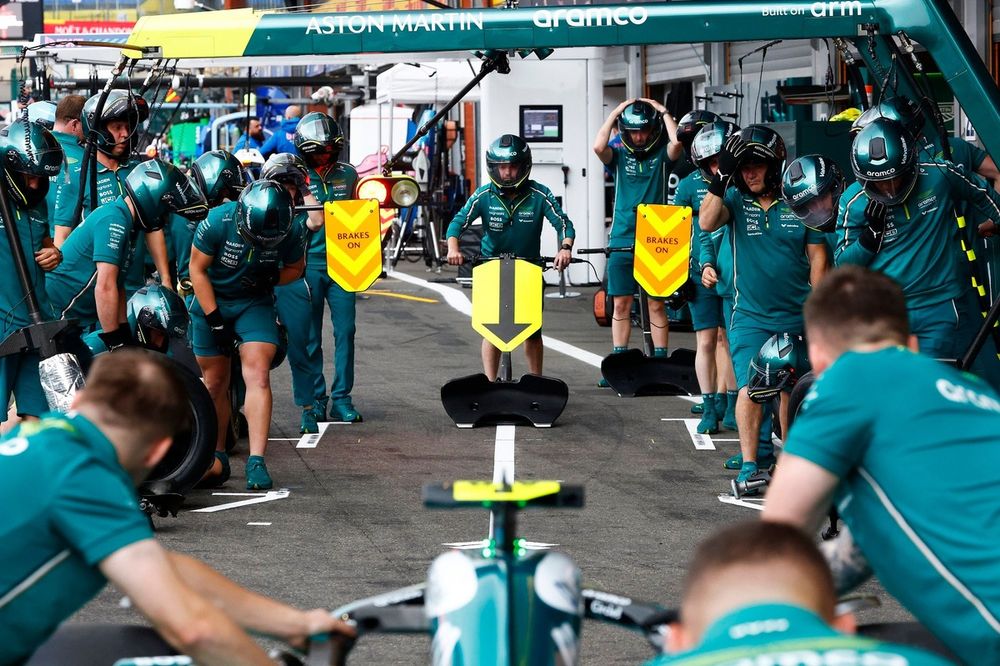
- The High-Stakes Moment: The operator stands in the pit box as the car approaches at approximately 80 km/h (50 mph), using a stop board and their own body as a guide for the driver. The car stops mere centimeters from their feet before they immediately lift the front end.
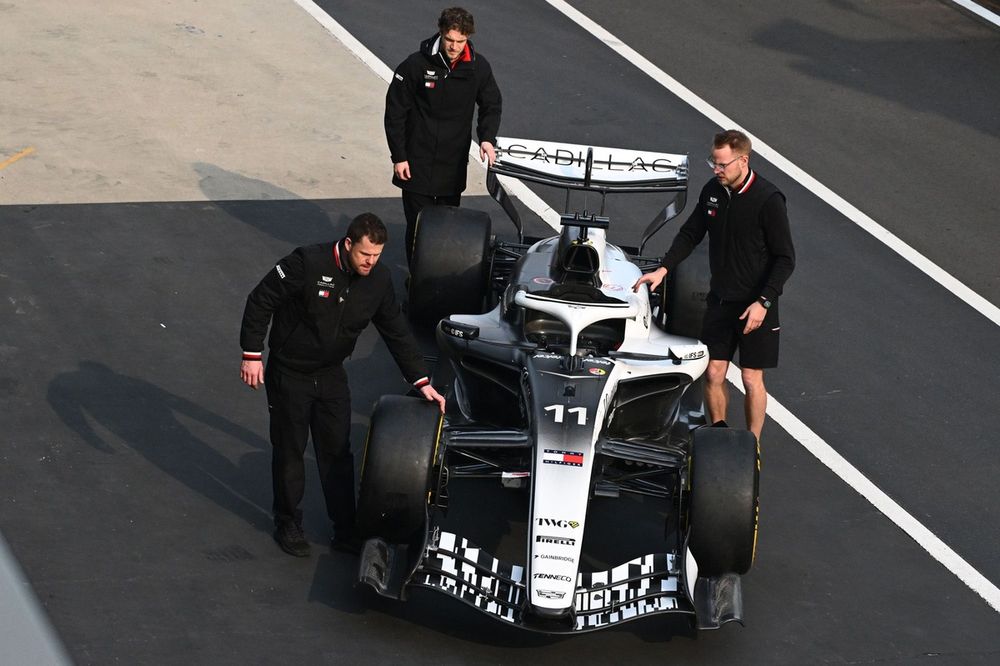
- A Team Effort: A full pitstop involves around 20 personnel, including three mechanics per wheel, two stabilizers, and wing adjustment crews, but the front jack action initiates the crucial tyre-change sequence.
- Inherent Dangers: The role's risks were starkly illustrated in 2020 when Lance Stroll hit his Aston Martin jack operator at Imola, sending the mechanic tumbling. Such incidents, while rare, underscore the job's inherent danger.
- Rigorous Training: Teams conduct live pitstop practice during every race weekend's practice sessions. They drill various failure scenarios, like a jack malfunction, to ensure seamless back-up procedures and role reassignments.
- Beyond the Pit Lane: For the mechanics and technicians who perform this duty, it is an "additional" role. Their primary jobs encompass their core garage functions as mechanics, technicians, or electricians throughout the weekend.
What's next:
The relentless pursuit of faster, safer pitstops will continue, with teams constantly refining techniques and rehearsing contingency plans. The role of the front jack operator will remain a testament to the human element in F1—a blend of courage, skill, and split-second timing that no machine can fully replicate, ensuring these unsung heroes stay at the sharp end of race day execution.
Original Article :https://www.motorsport.com/f1/news/tue-this-is-what-it-takes-to-become-an-f1-jac...