





Cadillac's F1 debut reveals unique technical challenge
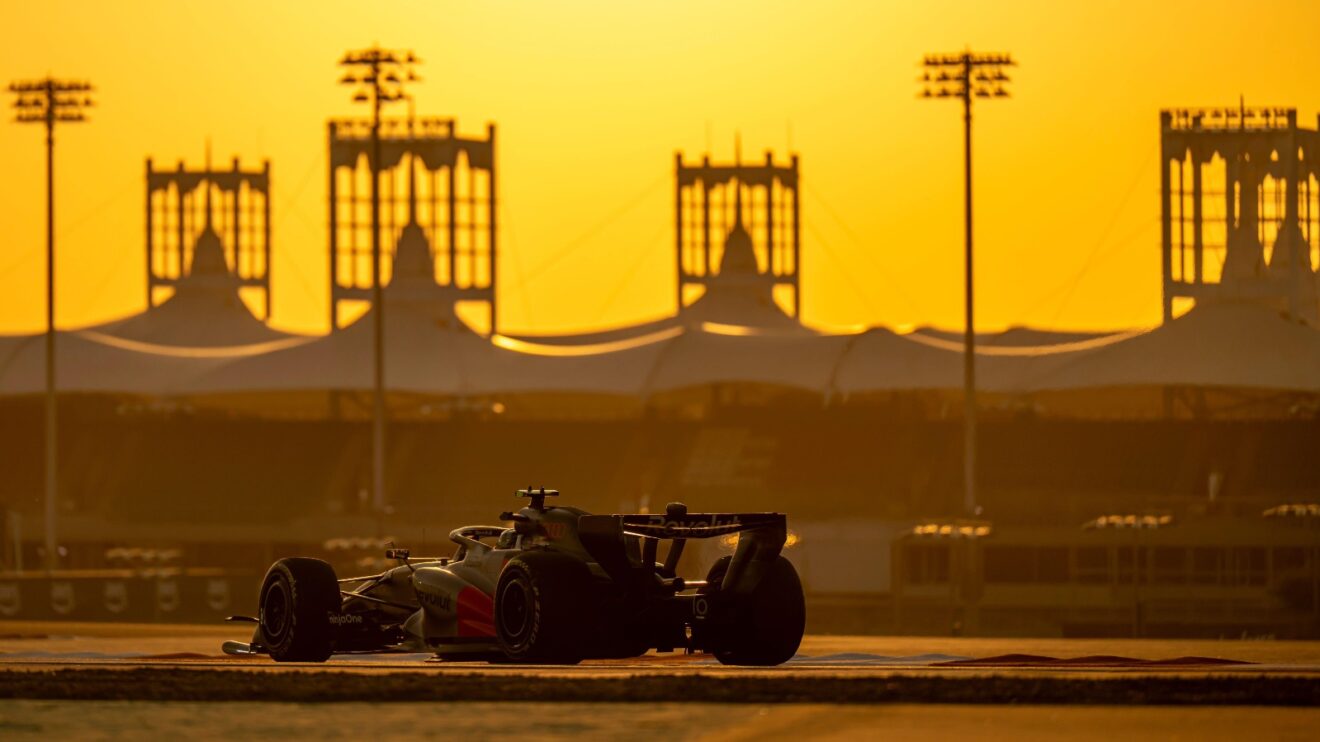
Cadillac Racing's first Formula 1 qualifying session saw its cars over four seconds off the pace, a gap that would be humiliating for an established team. For the brand-new American outfit, however, simply making the grid was an achievement. Now, the team faces a distinct technical challenge: while rivals are hyper-focused on mastering the complex new power units, Cadillac's drivers identify a fundamental lack of aerodynamic downforce as their primary limitation, boxing them into a difficult setup compromise that cascades through every aspect of performance.
Why it matters:
Cadillac's situation highlights the multi-faceted challenge of the 2026 regulations. For a new team with a compressed development timeline, identifying the correct performance bottleneck is critical. Their focus on pure car performance, rather than power unit optimization, sets them apart from the grid and underscores how aerodynamic efficiency and chassis dynamics are now inextricably linked to energy management in this new era.
The details:
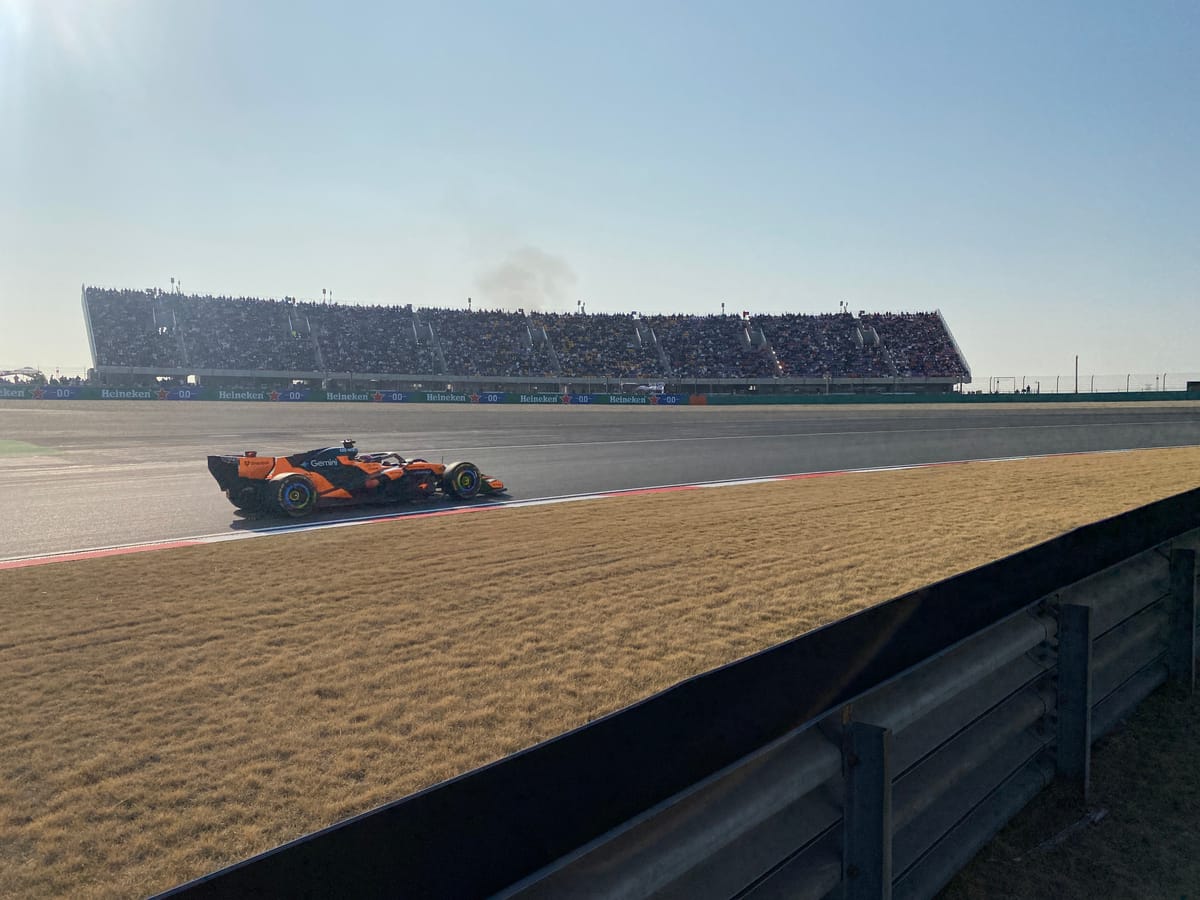
- Divergent Focus: Driver Valtteri Bottas states Cadillac's lap time deficit is "definitely our car," citing a significant lack of rear aerodynamic load. This contrasts sharply with other teams, like McLaren, where Oscar Piastri notes "so much of our time and capacity is taken up by finding those big gains from the power unit."
- The Setup Compromise: The lack of rear downforce forces Cadillac to dial in understeer to protect the rear axle and maintain balance. This "boxes in" their mechanical setup options, leading to more sliding, increased tire degradation, and slower cornering speeds.
- The Cascading Effect: Slower apex speeds have a double penalty: they cost lap time directly and reduce the amount of energy that can be harvested through the corners, further compromising performance on the following straights.
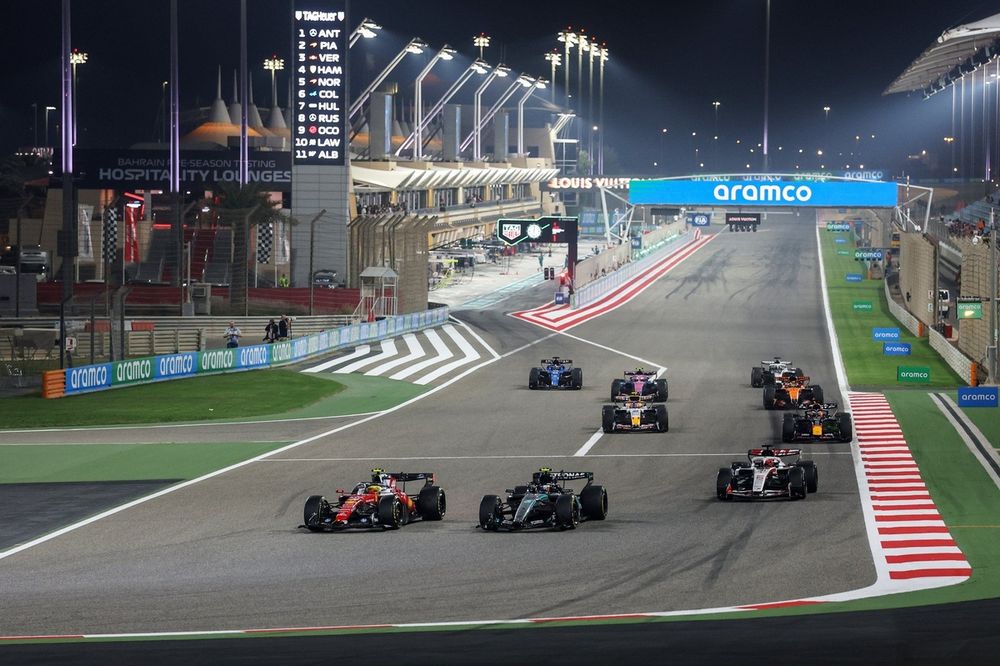
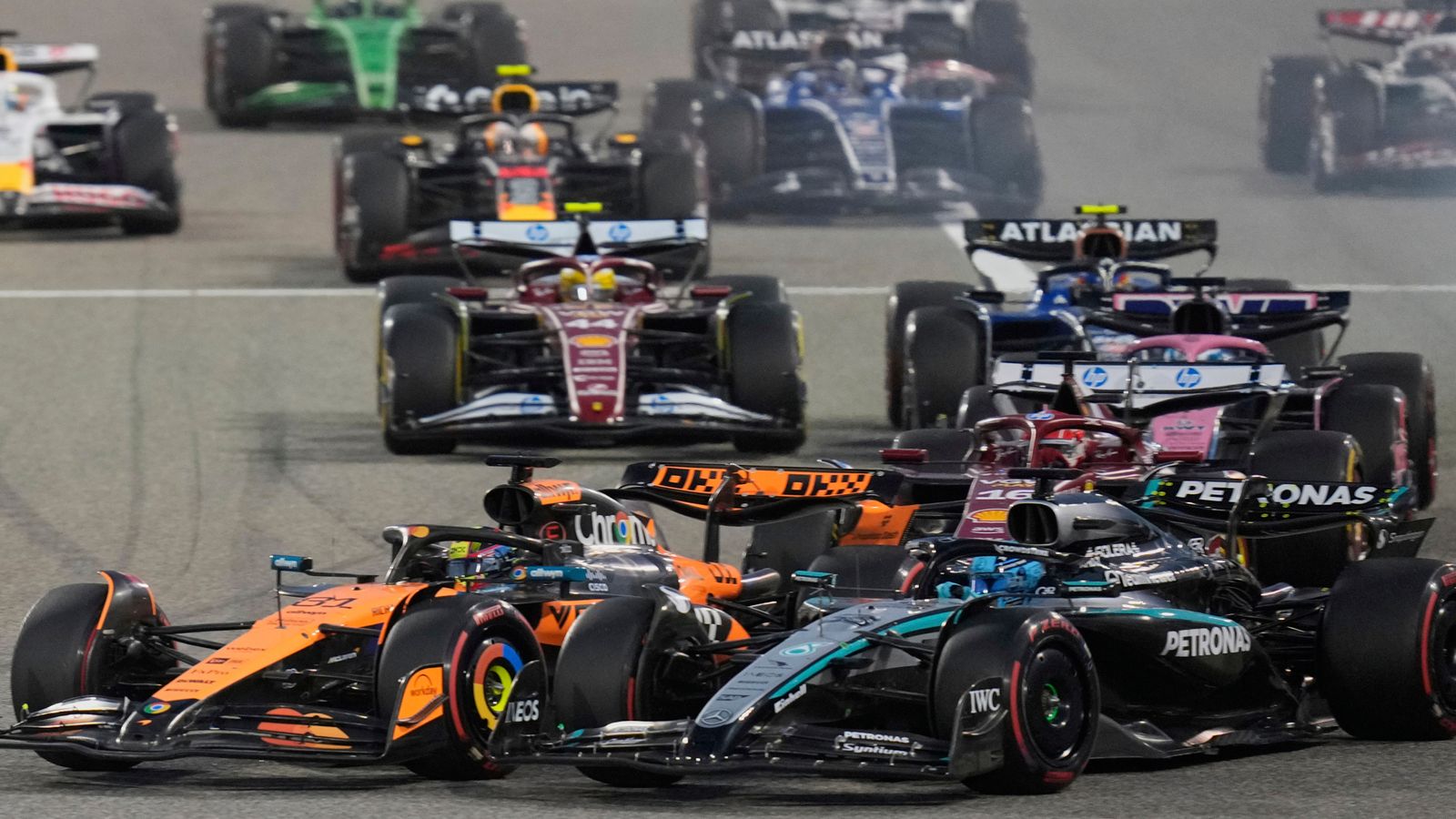
- The Mercedes Benchmark: The performance gap between the Mercedes factory team and its customers illustrates the point. Mercedes's advantage is built on an integrated approach, using superior aerodynamics and chassis dynamics to enable a more aggressive energy harvesting strategy (like strategic "super clipping" on straights), which its customers have struggled to replicate.
What's next:
Cadillac's immediate priority is generating efficient downforce to escape its current setup trap. Only with a more stable and capable car platform can the team begin to fully explore and maximize the potential of its Ferrari-supplied power unit. Their short-term development path is clear: close the fundamental aerodynamic gap to enter the same competitive arena where the discussion shifts to fine-tuning energy management. Their unique perspective as a new entrant may yet provide valuable insights as the 2026 season unfolds.
Original Article :https://www.motorsport.com/f1/news/whats-holding-cadillac-back-in-f1/10804650/