




/Russell%20points%20header.webp)

The Hidden Hurdles of F1's Proposed V8 Return
FIA President Mohammed Ben Sulayem is gaining traction with a proposal to introduce 3.0-litre turbocharged hybrid V8 engines. This move aims to pivot away from the heavy electrification of the current era, where a 350 kW electrical output has shifted the focus of competition from driver skill to strategic energy management.
Why it matters:
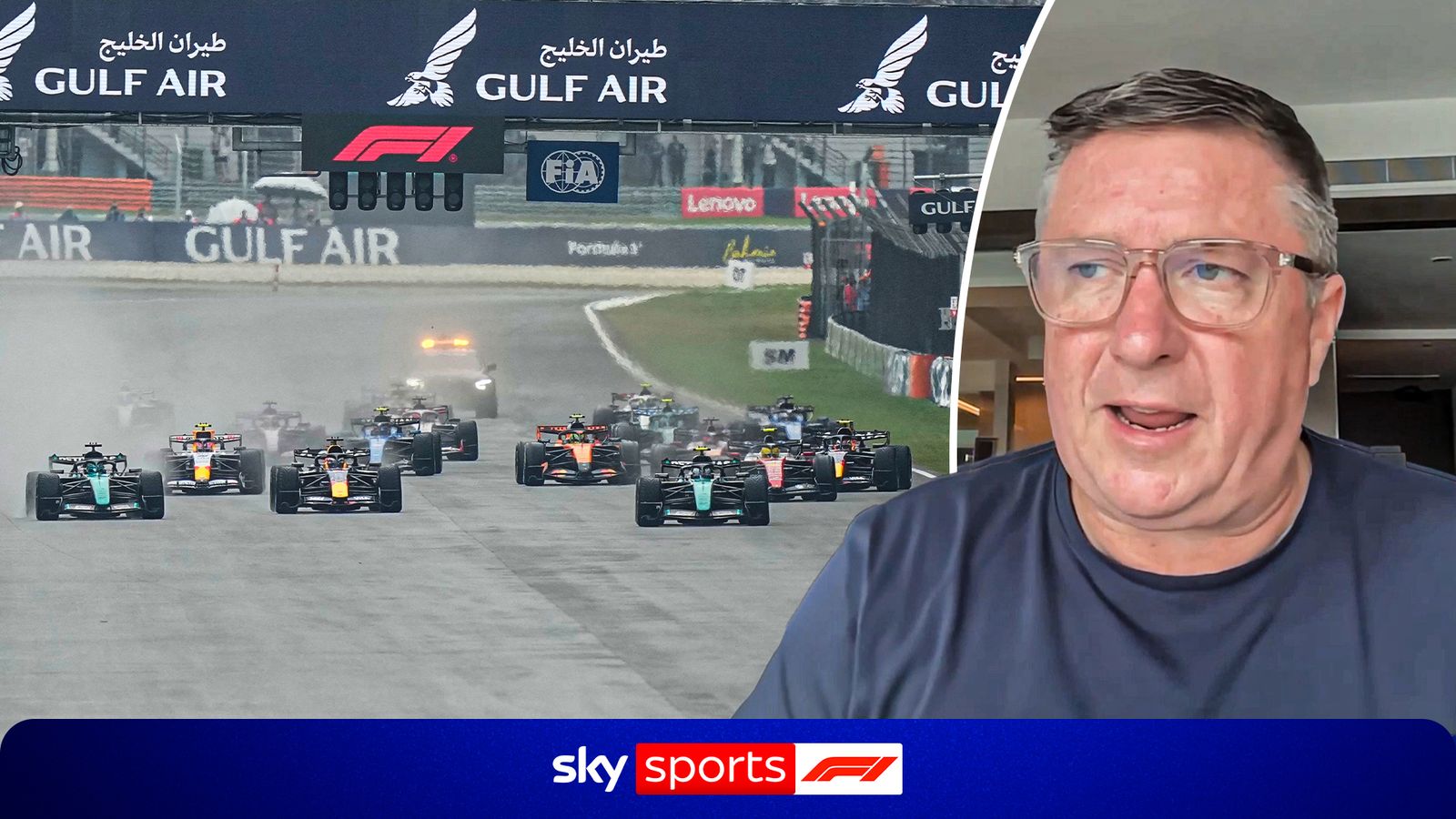
Currently, overtaking has become overly dependent on 'overtake mode' and power differentials on straights rather than braking maneuvers into corners. By reducing electrical power to 100 kW and simplifying the power unit, F1 hopes to restore "authentic racing" and lower the entry barrier for independent engine suppliers, mirroring the era when Cosworth provided a competitive edge to multiple teams.
The details:
- The Weight Paradox: While a simpler engine sounds lighter, a 3.0L V8 inherently increases the weight of the crankcase and pistons compared to current designs.
- Minimal Battery Gains: Reducing electrical power to 100 kW offers negligible weight savings, as battery volumes will not shrink significantly compared to the 2025-2026 standards.
- Fuel Consumption: To achieve higher power output, these V8s will likely consume more fuel, necessitating larger tanks and heavier fuel loads at the start of races.
- Regulatory Solutions: Experts suggest that real weight and agility gains must come from chassis regulations rather than the engine—specifically by reducing the maximum wheelbase from 360cm to 330cm.
What's next:
The FIA and F1 are currently refining these draft proposals to ensure they are attractive enough to prevent manufacturers from pushing for alternative power sources. If the transition is accelerated toward a 2030 timeline, the sport could see a radical redesign of car dimensions to finally solve the nimbleness issues that have plagued the current generation.
Original Article :https://racingnews365.com/the-forgotten-problems-with-f1s-march-towards-v8-engin...