






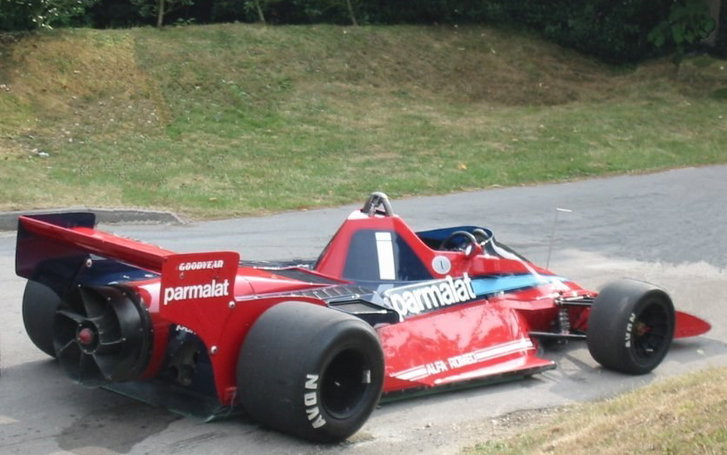
The Brabham 'Fan Car': The F1 Machine Banned After One Dominant Win
The Brabham BT46B, known as the 'fan car,' competed in only one Formula 1 race—the 1978 Swedish Grand Prix—before being withdrawn under political pressure. Designed by Gordon Murray as a radical answer to Lotus's dominant ground-effect car, it used a large engine-driven fan to create immense downforce, leading to a crushing victory for Niki Lauda and immediate controversy that ended its brief career.
Why it matters:
The saga of the fan car represents a pivotal moment where a technical innovation was deemed too effective, highlighting the constant tension between engineering genius and sporting regulations in F1. Its swift ban cemented its legendary status as a machine that solved a performance problem so perfectly it threatened the competitive order, forcing a political rather than a sporting resolution.
The details:
- The Genesis: The car was born from necessity. Brabham's wide Alfa Romeo flat-12 engine could not accommodate the sophisticated sidepod venturi tunnels used by the dominant Lotus 79. Designer Gordon Murray devised an alternative ground-effect solution.
- The Innovation: A large fan, mounted at the rear and driven by the engine's gearbox, actively extracted air from a sealed underbody skirt. This created a powerful vacuum, sucking the car onto the track with downforce that increased with engine speed.
- The Regulatory Loophole: Murray cleverly argued the fan's primary purpose was to cool the horizontally mounted radiator, with downforce as a side effect. This technicality allowed it to pass scrutiny, as movable aerodynamic devices for solely generating downforce were banned.
- The Dominant Display: At the 1978 Swedish GP, Niki Lauda qualified on the front row, took the lead, and won by over 34 seconds. Its superiority was so stark that rival drivers, led by Mario Andretti, protested it was dangerous, calling it a "vacuum cleaner" that threw debris.
What's next:
The car's competitive lifespan ended immediately after its victory. Despite being ruled legal for the season, Brabham team owner Bernie Ecclestone—also head of the teams' association—withdrew it to prevent a potential boycott by rival teams and maintain political harmony. The FIA subsequently banned the specific concept outright.
The BT46B remains one of F1's most iconic 'what if' machines. It proved a concept could be both brilliantly legal and competitively unacceptable, a lesson in how ultimate performance in Formula 1 is always balanced against the politics and sustainability of the sport itself. Its single race win is a permanent monument to innovation cut short.
Original Article :https://racingnews365.com/the-f1-car-so-fast-it-was-banned