



The 2026 F1 Qualifying Prep: A 'Bop It!' Challenge That's Overloading Drivers
The complexity of preparing a 2026 Formula 1 car for a qualifying lap has been likened to playing Bop It! – but with far higher stakes. Drivers must juggle throttle percentages, battery charge states, turbo pressure, and tyre temperatures within a few seconds, all while managing traffic. Williams team principal James Vowles calls it "too much" and says the sport must simplify the process.
Why it matters:
The 2026 regulations were meant to improve racing, but the qualifying prep has become a minefield. Even the best drivers regularly see their laps ruined by unintended energy harvesting or algorithm resets. If unresolved, the issue could undermine the spectacle of qualifying – a core part of F1's appeal.
The details:
- Overloaded drivers: On outlaps, drivers receive rapid-fire instructions: full throttle for 3 seconds, then 60% throttle, then lift-and-coast to hit a precise battery state. Any deviation – like yielding to traffic – can reset the system and cost time.
- Real-world impact: In Miami, Kimi Antonelli lost a sprint pole, Lando Norris saw his lap "screwed" from the start, and Alex Albon failed to escape Q2. Albon's issue: lifting to let teammate Sainz pass unexpectedly harvested energy, ruining his prep.
- Technical sensitivity: McLaren's Andrea Stella notes everything is "so interlaced." Turbo pressure, MGU-K behavior, and throttle position are all linked. A small change in throttle can trigger unintended energy discharge.
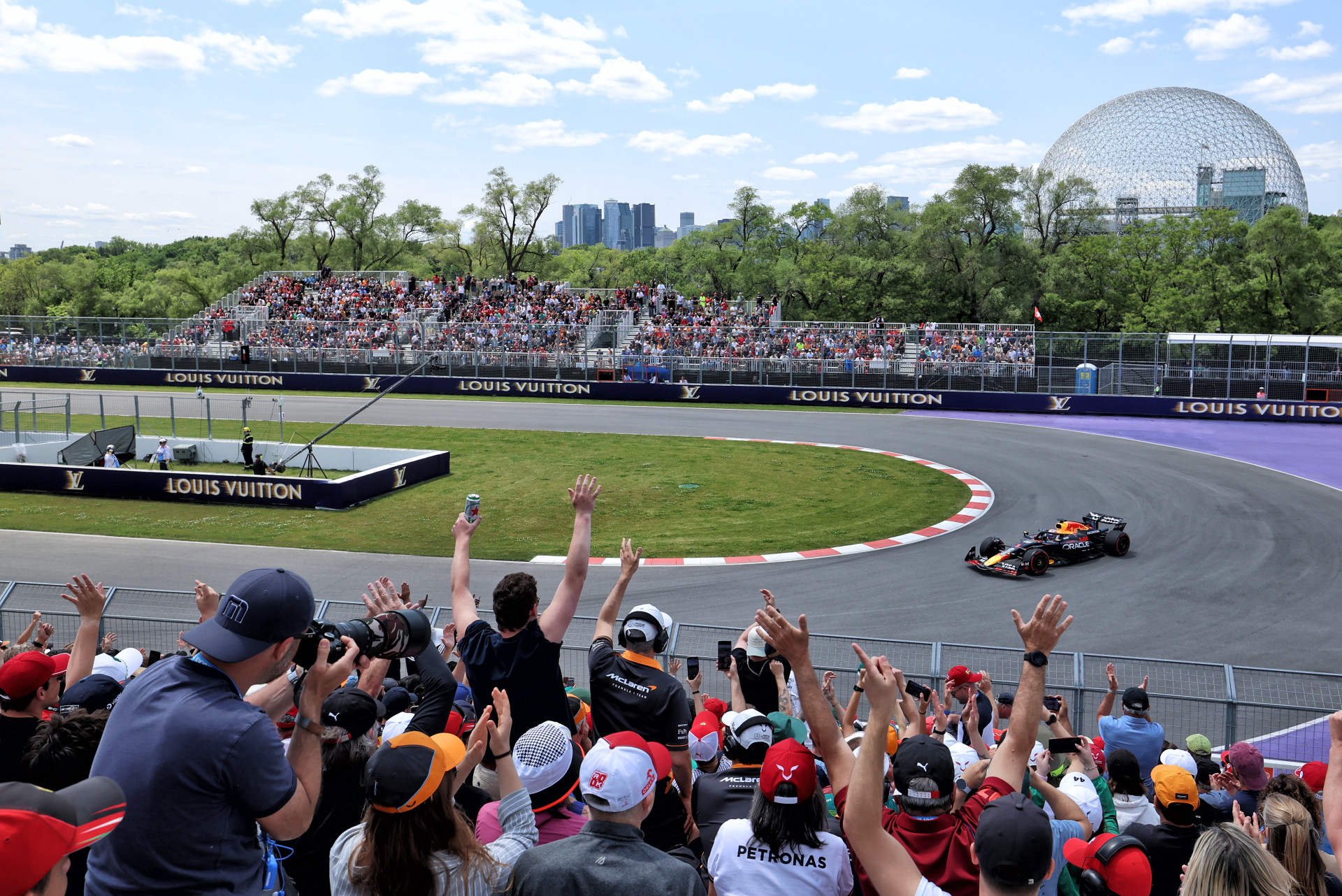
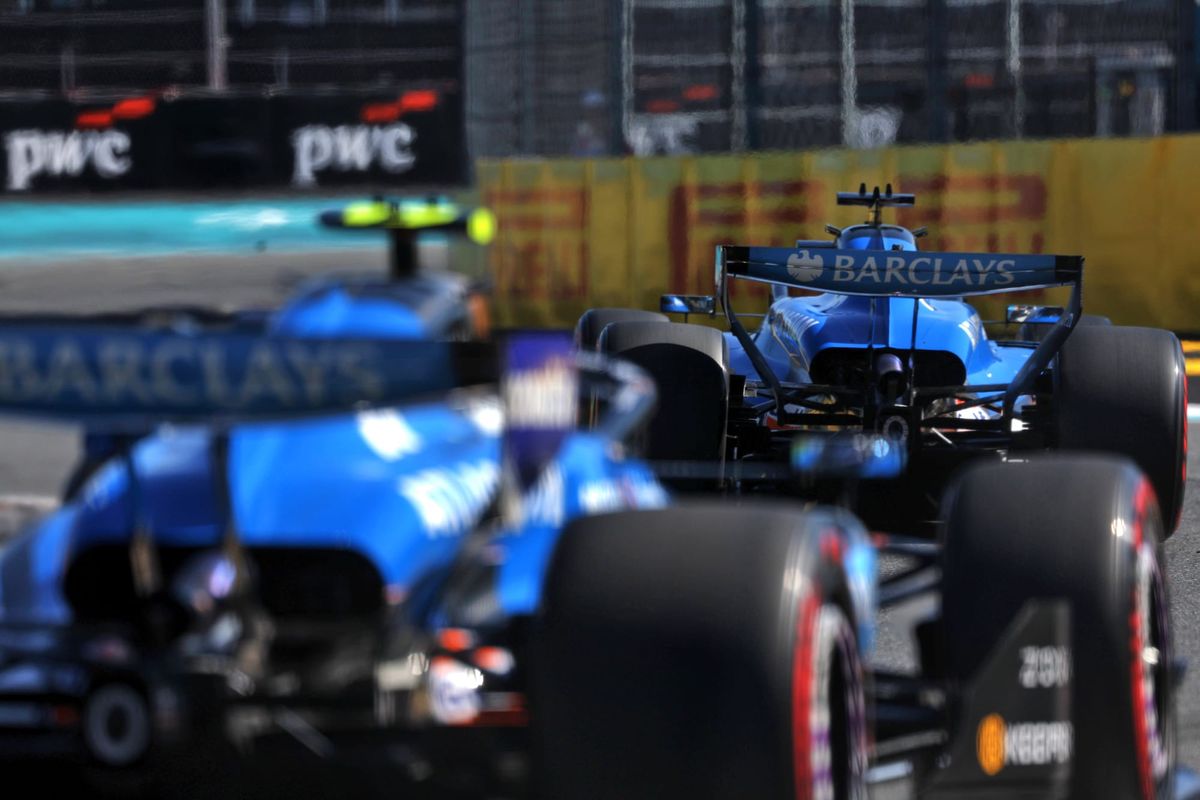
- Circuit-specific challenges: Tracks with long straights and tight final corners (like Miami or Montreal) amplify the risk of over-harvesting. The upcoming Monaco GP will likely be the ultimate test of these demands.
What's next:
Drivers and teams are calling for a rethink. Vowles argues the process can be simplified without losing performance. With the 2026 season still young, expect teams to push for rule tweaks that reduce the cognitive load on drivers – or risk seeing qualifying become a lottery of who gets their prep right.
Original Article :https://www.the-race.com/formula-1/2026-f1-demand-that-feels-impossible-for-driv...