




Super-Clipping Concerns Mount at Suzuka as FP2 Data Reveals Major Speed Losses
Data from second practice at the Japanese Grand Prix has quantified the severe 'super-clipping' issue plaguing drivers on Suzuka's high-speed final sector, with cars losing over 50 kph on average despite full throttle. The Audi-powered cars of Nico Hülkenberg and Gabriel Bortoleto were least affected, while drivers like Franco Colapinto lost a staggering 70 kph, highlighting a critical performance differentiator for the race.
Why it matters:
Super-clipping, where the car's hybrid system cannot deliver full power even with the throttle pinned, directly translates to lost lap time on one of F1's most demanding circuits. At a track where momentum through the final S-curves is crucial for the long start/finish straight, these deficits could decide grid positions and overtaking opportunities, making it a central tactical battleground for the weekend.
The details:
- The telemetry from FP2 shows an average speed loss of 53.4 kph between the entry of 130R and the final chicane across the field.
- Audi shows strength: Nico Hülkenberg was the benchmark, losing only 46 kph, with teammate Gabriel Bortoleto next best at 51 kph. This suggests the Audi power unit's energy management is currently superior in this specific high-deployment phase.
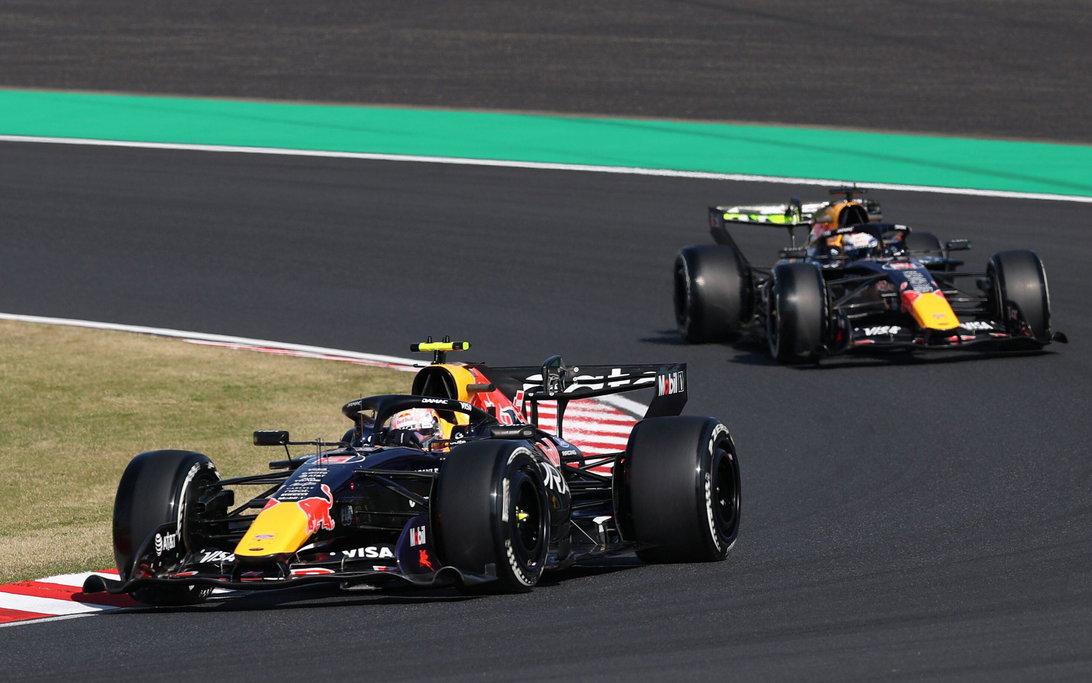
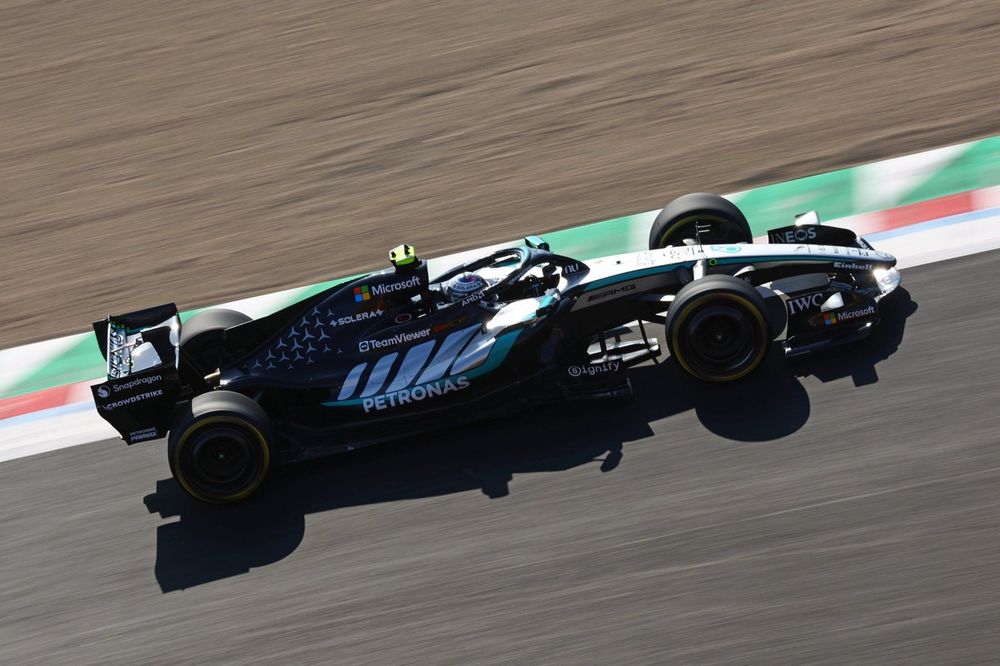
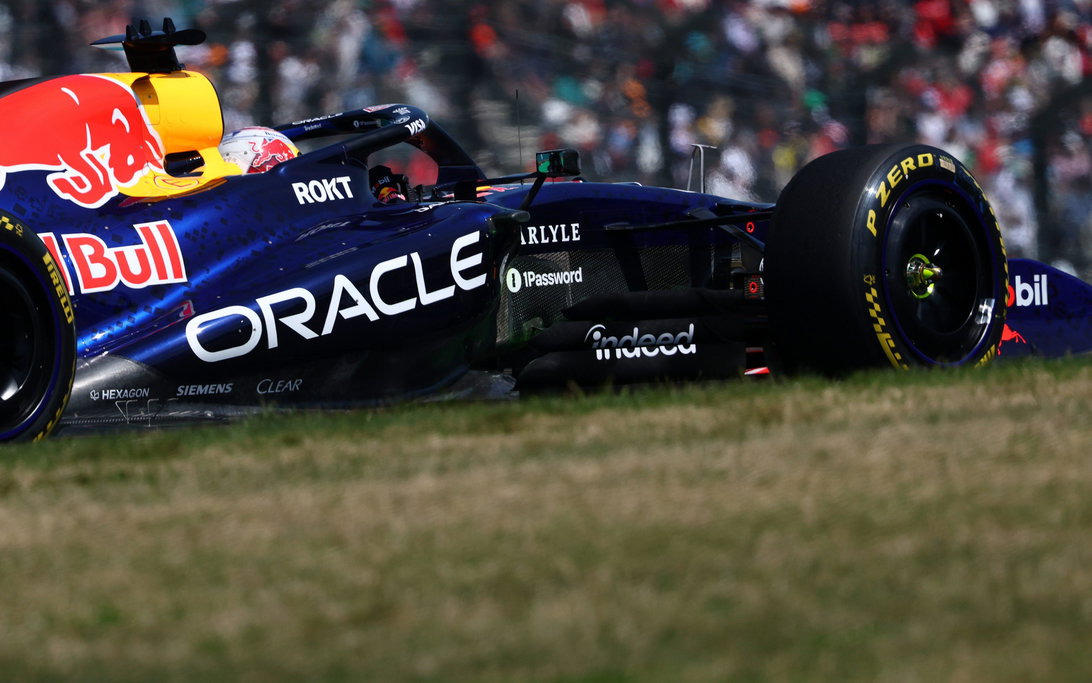
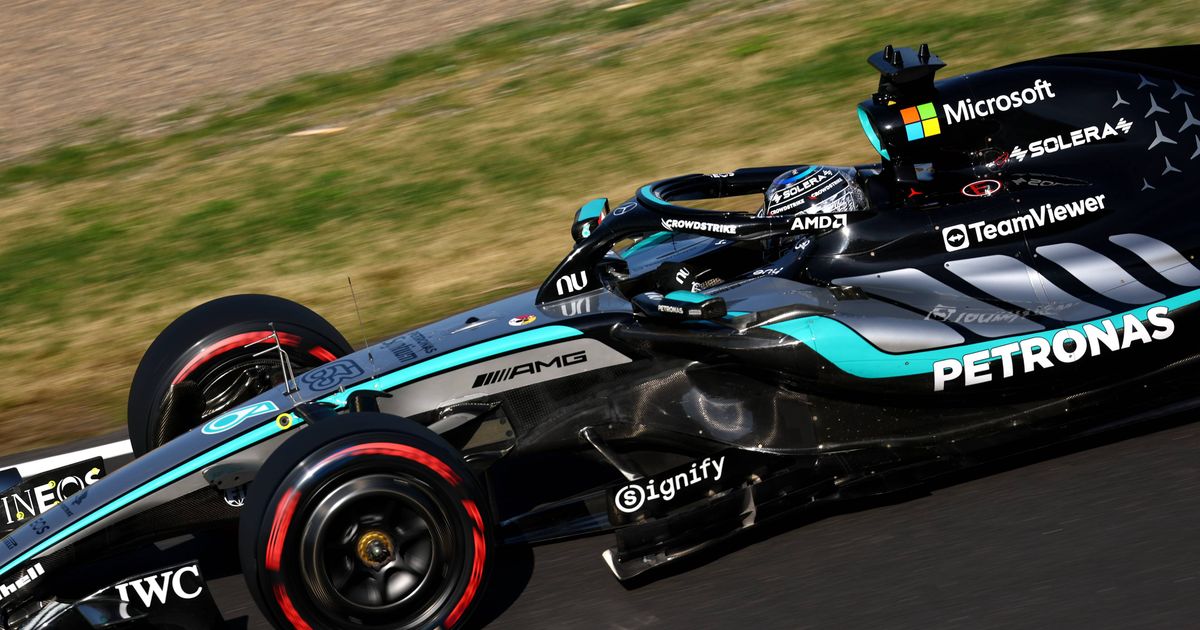
- Top contenders hit: Key rivals like Lando Norris (52 kph loss), Max Verstappen (53 kph), and Charles Leclerc (53 kph) clustered near the average, while Lewis Hamilton (58 kph) and George Russell (54 kph) showed more significant losses.
- Biggest losers: The issue was most acute for Fernando Alonso (60 kph), Carlos Sainz (61 kph), and Pierre Gasly (64 kph). Williams' Franco Colapinto suffered the largest deficit of all, shedding over 70 kph of speed.
- Driver complaints backed the data up, with Lewis Hamilton calling the situation "challenging stuff" and a serious concern for performance.
What's next:
Teams will now focus on optimizing energy deployment maps and chassis setup to mitigate the clipping for qualifying and the race. The clear advantage for Audi-powered cars provides a potential window of opportunity for Stake F1 Team Kick Sauber, but consistency over a race distance will be the ultimate test. How drivers manage this power shortfall, especially in traffic during the race, will be a key factor in the Japanese Grand Prix outcome.
Original Article :https://www.gpblog.com/en/general/super-clipping-concerns-at-suzuka-backed-up-by...
