




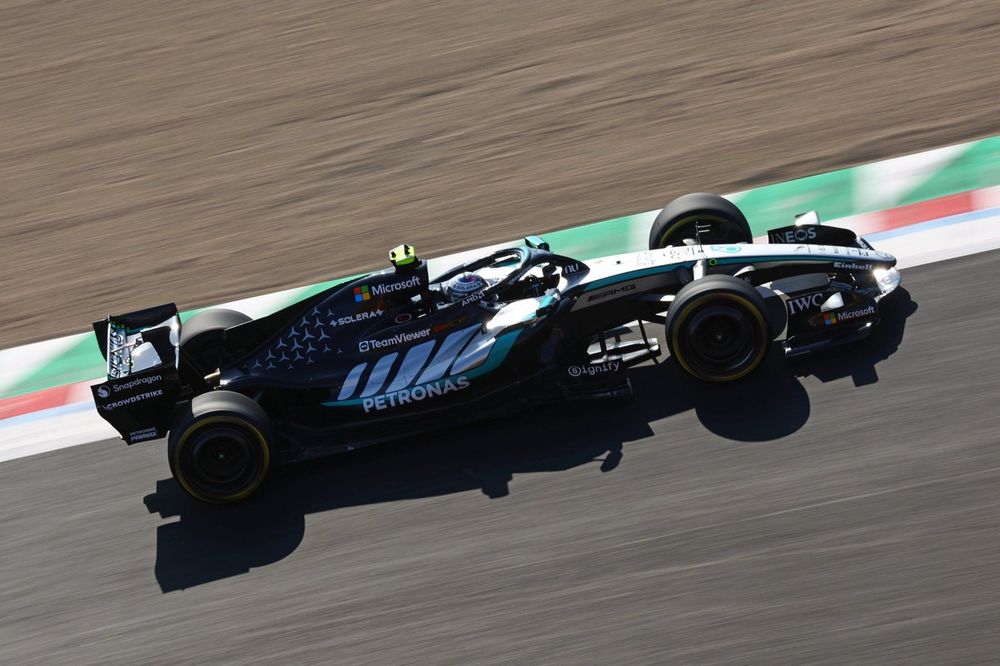
How F1's new power units transformed driving at Suzuka
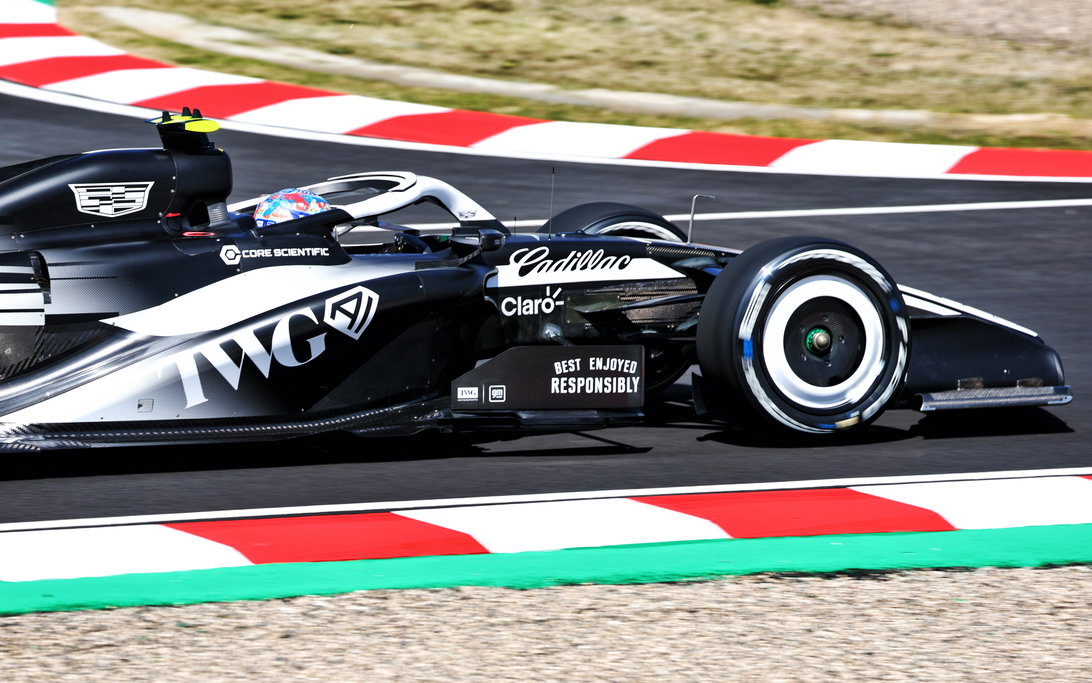
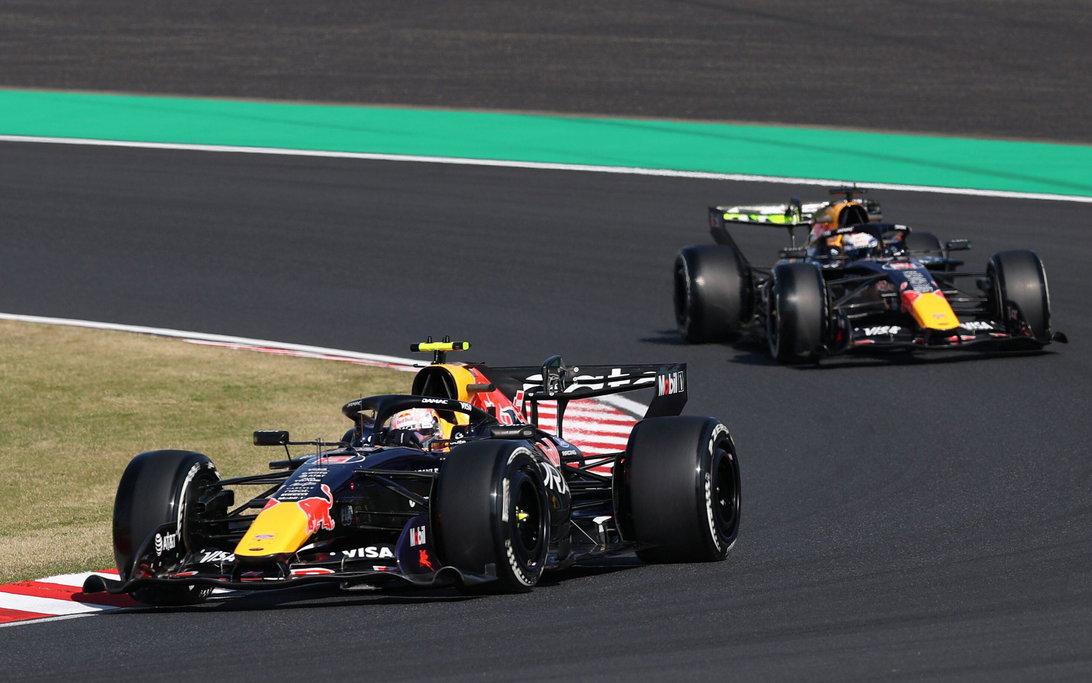
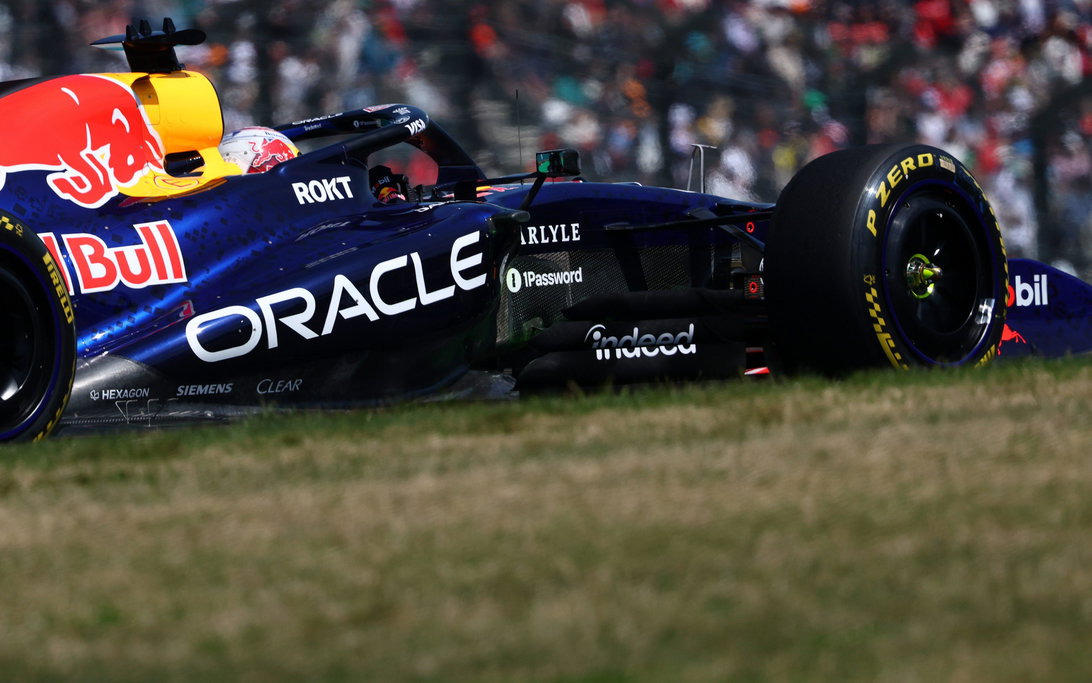
F1's 2026 power units have fundamentally altered how drivers tackle the iconic first sector at Suzuka, with the hybrid system's MGU-K now acting as a primary braking device to maximize energy recovery. This shift has led to significantly reduced brake pedal usage and a driving style that resembles 'one-pedal' operation, changing the core challenge of one of the sport's most demanding sequences of corners.
Why it matters:
The technical evolution is redefining driver skill and car setup at classic circuits. Suzuka's high-speed Esses, once a pure test of aerodynamic grip and mechanical bravery, now require a complex dance of energy management. This represents a tangible example of how the 2026 regulations, aimed at increasing electrical power and sustainability, are directly impacting the spectacle and technical demands of the sport.
The details:
- Brake Pedal Becomes Obsolete in S1: Analysis of on-board data, using Ferrari as a consistent reference between 2025 and 2026, shows drivers barely touch the brake pedal through the first sector. The MGU-K handles deceleration, slowing the car and aiding rotation.
- MGU-K as a Braking Device: With triple the power for harvesting and deployment, the motor generator unit is now used aggressively through transitions. It recovers energy while simultaneously decelerating the car, reducing understeer.
- Altered Cornering Speeds: Sections taken in sixth gear last year are now approached roughly 30 km/h slower and in a lower gear, despite high engine revs. This is due to strategic power reduction exceeding 150kW from Turn 3 to Turn 6.
- Strategic Energy Harvesting: The FIA allows teams to 'zero' electric deployment in certain corners where grip, not power, is the limit. This lets the MGU-K harvest energy even while the driver is on the throttle, meaning cars can exit Turn 6 with more energy than they entered Turn 3 with.
- Impact on 130R: The approach to the legendary 130R corner has changed. While cornering speed is similar, peak speed is reached earlier (over 20 km/h higher with DRS) followed by a long deceleration phase of over 50 km/h before the chicane, as the car goes into a derating mode without electric support.
What's next:
This new driving paradigm will force teams to further optimize their energy management software and chassis setup to work in harmony with the powertrain's capabilities. As Carlos Sainz noted, 'It's not a disaster, but it's not like before. F1 shouldn't be like this,' indicating a period of adjustment for drivers. The 2026 cars will continue to redefine racing lines and overtaking opportunities at other non-stop circuits, making efficient energy recovery a performance differentiator as crucial as outright downforce.
Original Article :https://www.motorsport.com/f1/news/suzuka-transformed-drivers-barely-brake-throu...