



Stella: Norris's Hungary pole an 'overachievement' with Ferrari still ahead in low-speed corners
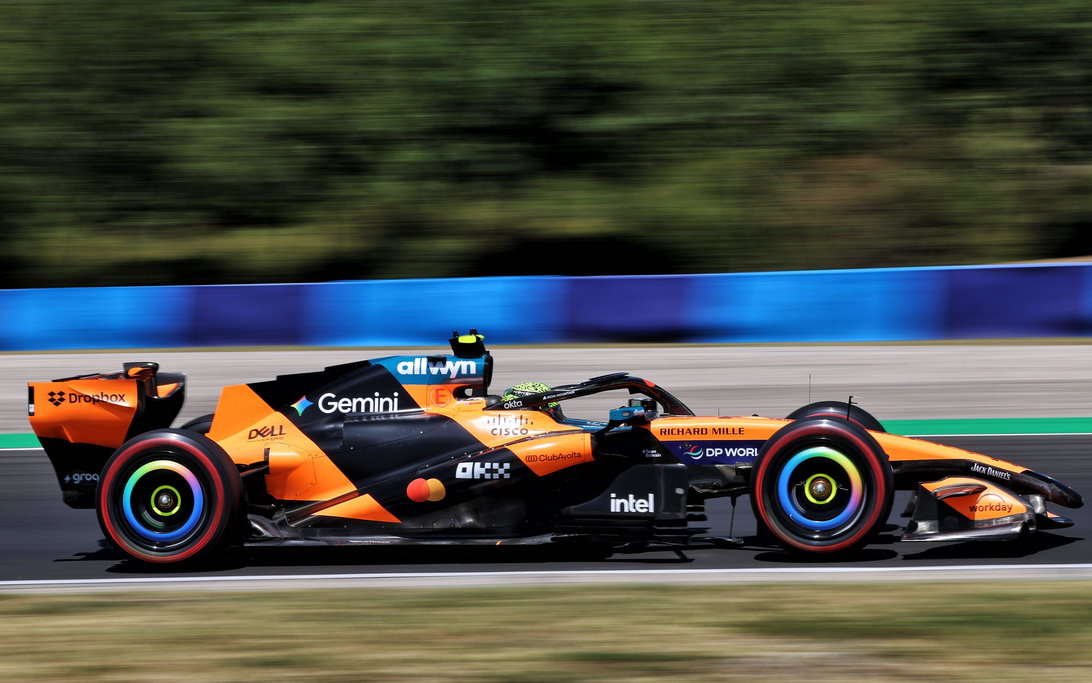
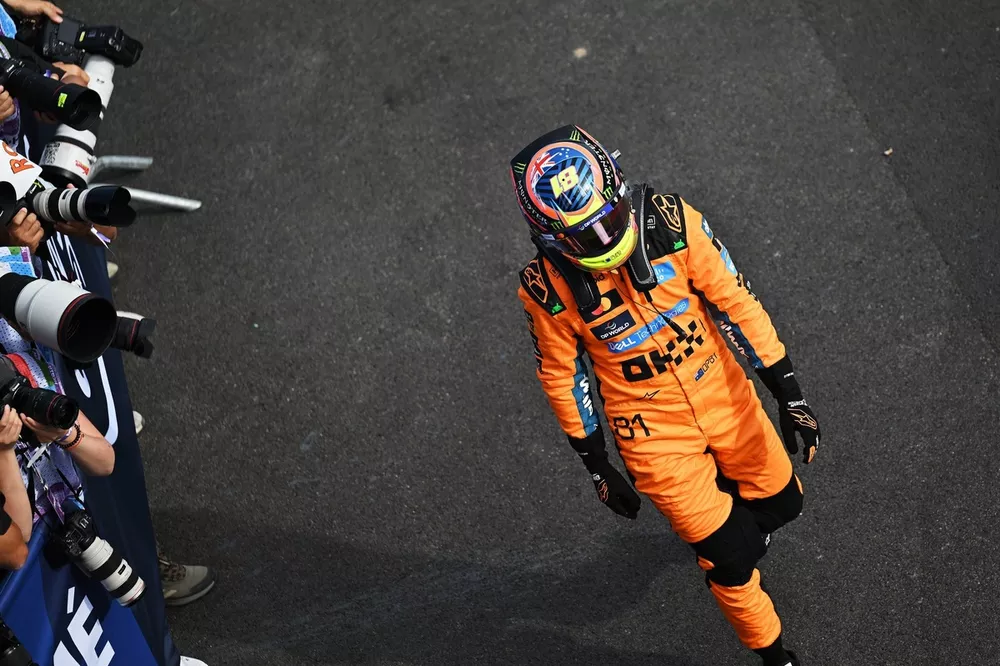
Lando Norris secured a dramatic last-gasp pole position for the Hungarian Grand Prix, underlining the effectiveness of McLaren's latest upgrade package at a track where Ferrari had been widely tipped as the favorite. Yet team principal Andrea Stella was quick to frame the result as something of an overachievement, conceding that Ferrari still possesses the best chassis on the grid when it comes to low-speed corners and that McLaren must keep improving to stay at the front.
Why it matters:
Despite Ferrari being the pre-qualifying favorite at the twisty Hungaroring, Norris edged out the field to claim the first non-Mercedes works pole of the campaign. Stella's assessment reveals that McLaren's advantage lies not in raw mechanical grip but in sharper execution and improved performance in medium-high speed sections and on the straights, painting a complex and fiercely competitive picture of the current grid order.
The details:
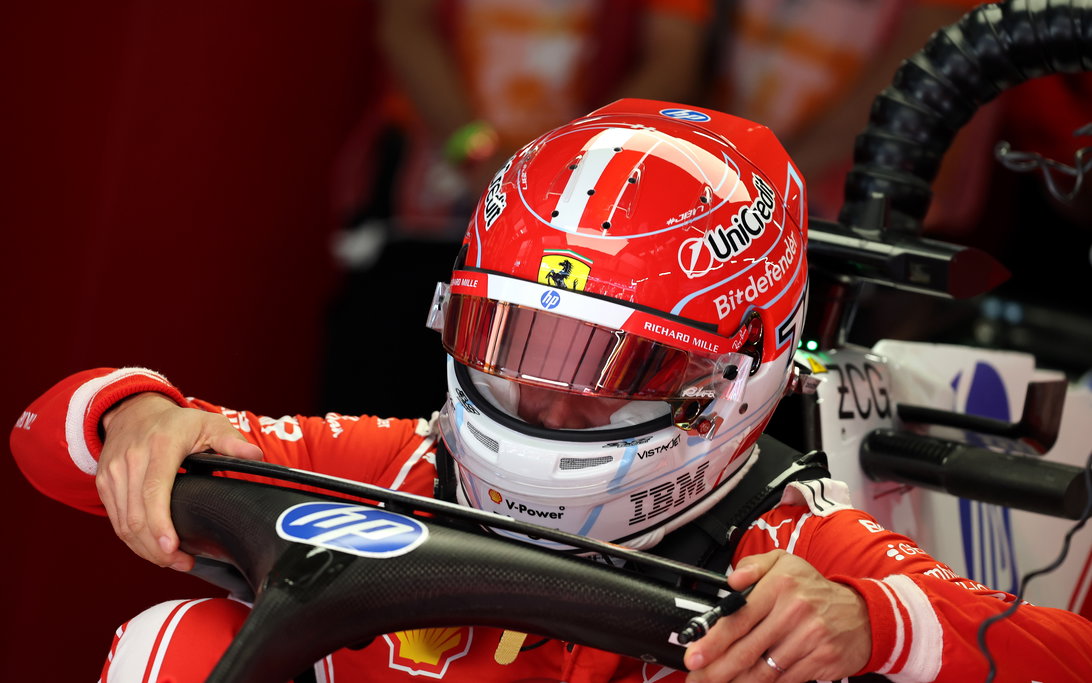
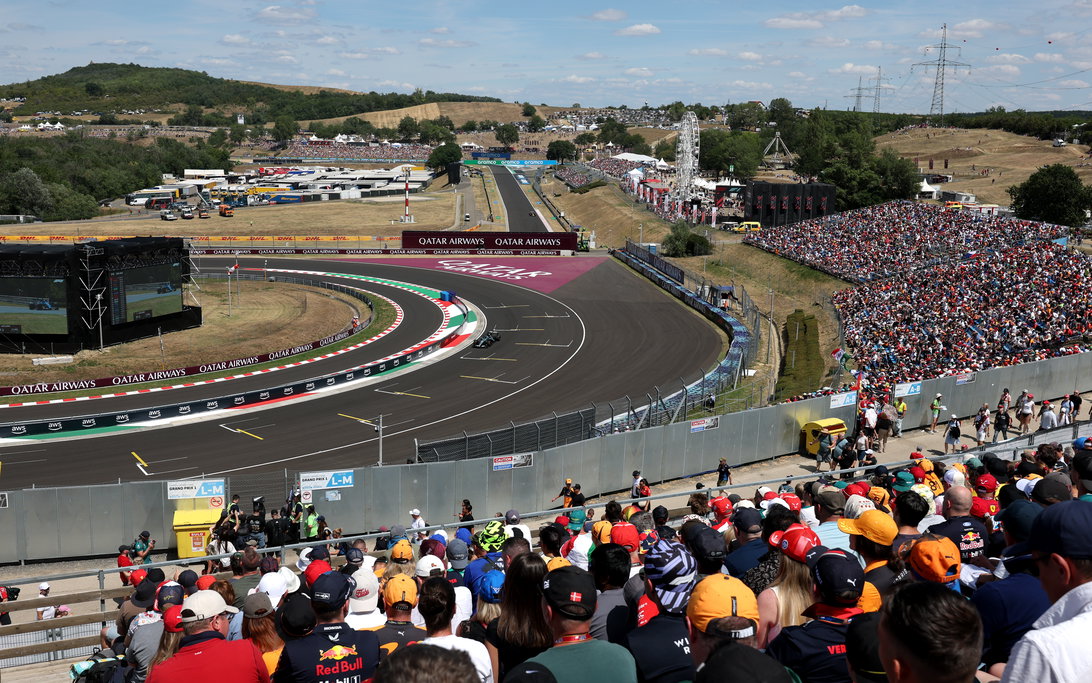
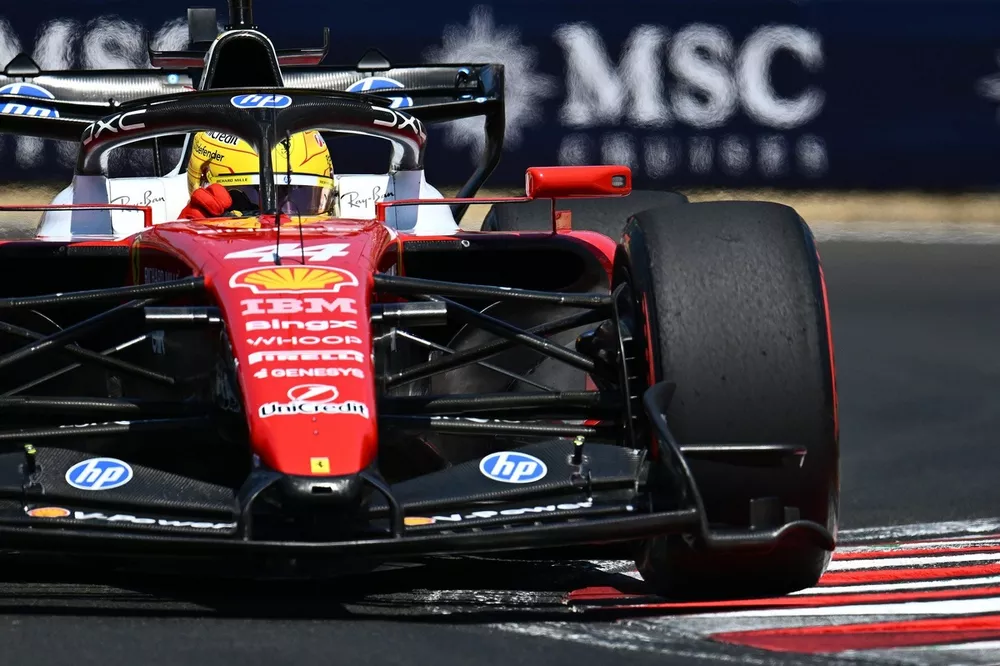
- Ferrari's low-speed dominance: Stella highlighted that the Scuderia remains a "decent step ahead" in Turns 1, 12, and 13, particularly under braking and through low-speed transitions. Telemetry data showed Lewis Hamilton erased a 0.2s deficit to Norris through Turns 12 and 13 alone, confirming Ferrari's superior mechanical grip in these critical zones.
- Where McLaren made gains: The Woking squad recovered time on the straights and improved its medium-high speed corner performance to become more comparable with Ferrari. Stella credited the upgrade package for delivering exactly as intended, though he stressed the pole was also a product of sharper execution from McLaren while rivals failed to maximize their potential.
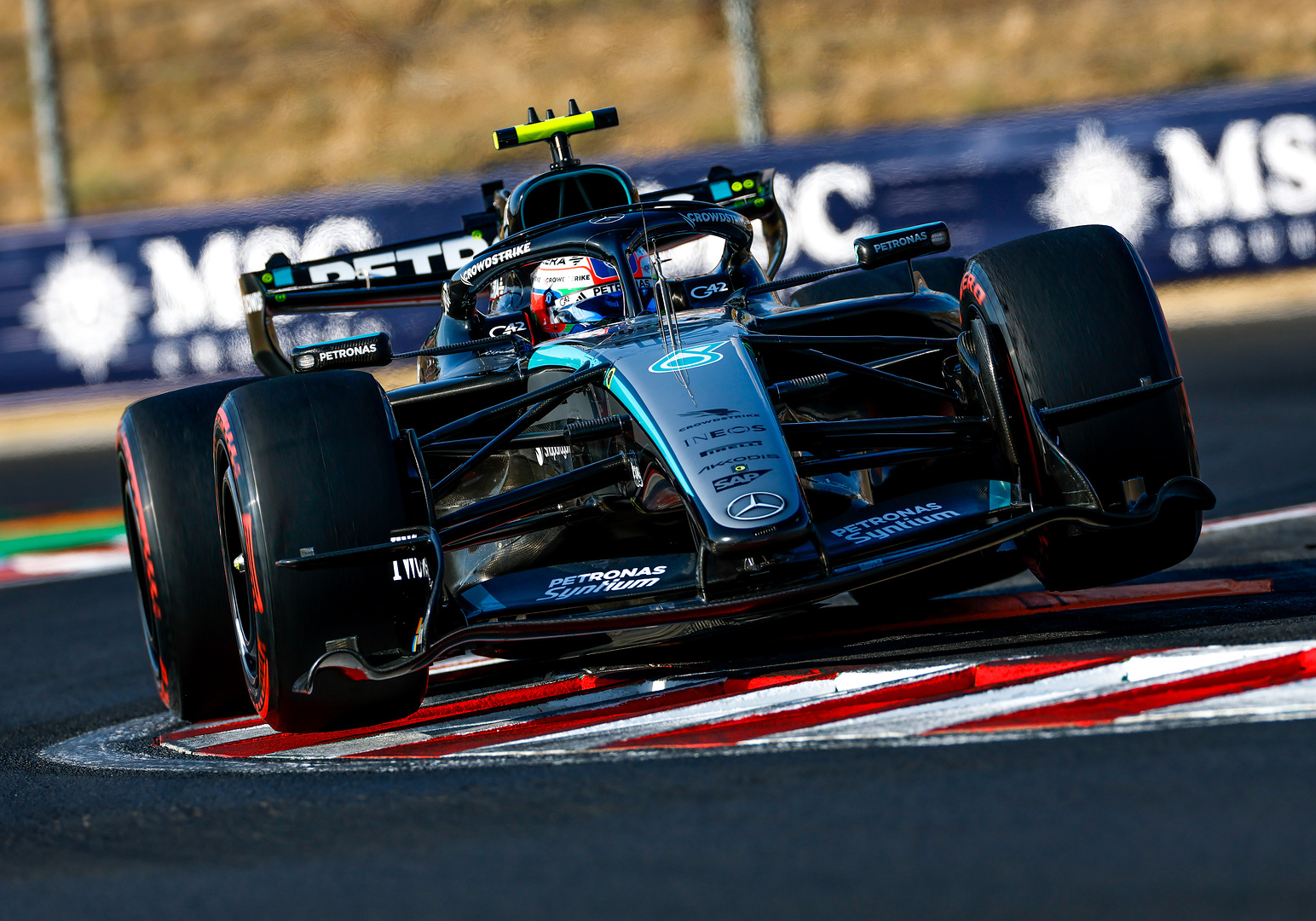
- Rival execution issues: Hamilton's subsequent grid penalty for impeding Oscar Piastri and Kimi Antonelli missing FP1 were cited by Stella as factors that disrupted Mercedes' qualifying preparation. He suggested Ferrari might have overcomplicated its strategy by not running soft tires in Q1, indicating that McLaren profited from others' operational missteps as much as its own pace.
- No unique development edge: Stella downplayed any notion that McLaren holds a special in-season development advantage, noting that under the still-immature 2026 regulations, all top teams are successfully introducing upgrades. He characterized many of these gains as "low-hanging fruit" accessible to every front-running team operating under the budget cap.
The big picture:
As the season passes its midway point, the development race is intensifying within the strict limits of the budget cap. While McLaren's Hungary pole is a significant statement of progress, Stella insists the team cannot rest on its laurels and must close the gap in low-speed performance to fend off Ferrari and Mercedes. The razor-thin margins across the top teams suggest that sustaining the upgrade push and minimizing operational errors will prove decisive in the looming championship battle.
Original Article :https://www.motorsport.com/f1/news/the-data-behind-mclarens-analysis-does-ferrar...