

/Bahrain%20lowdown%20header.webp)




Software Glitches Derail Bahrain GP Start, Sparking Driver Backlash
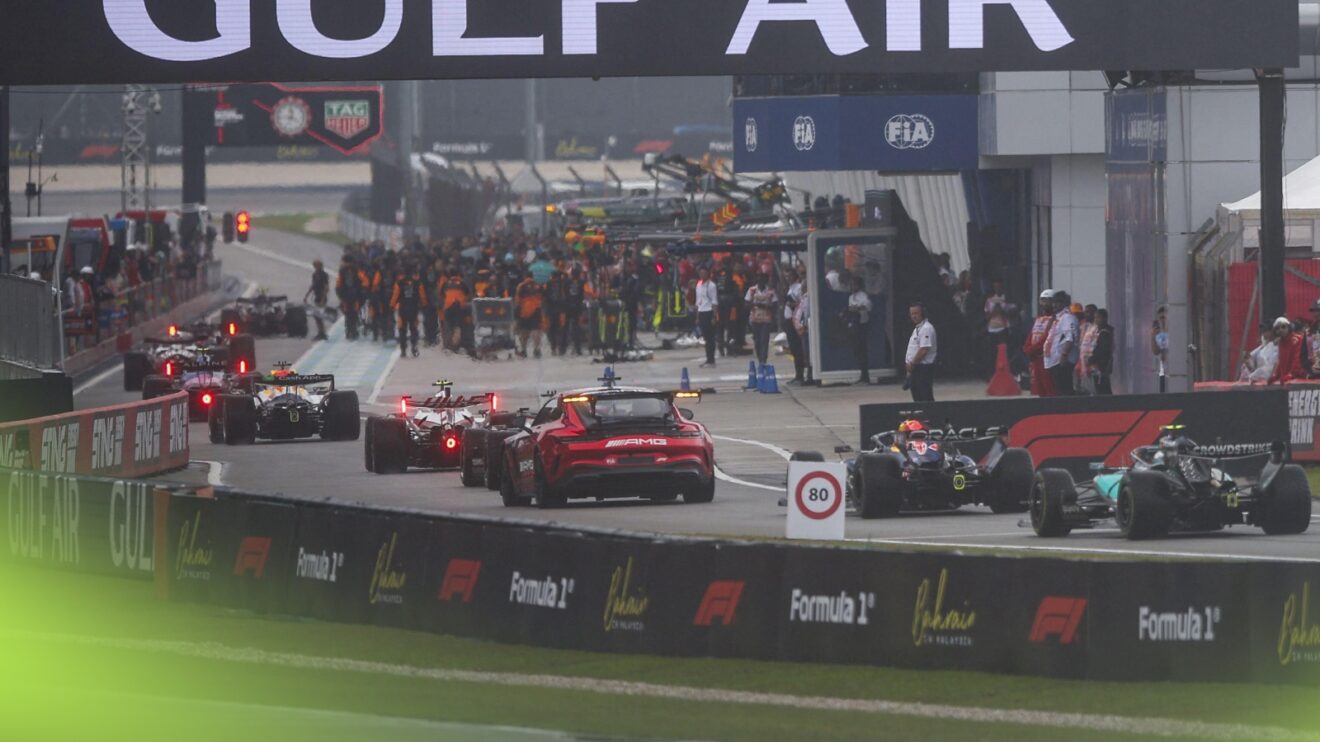
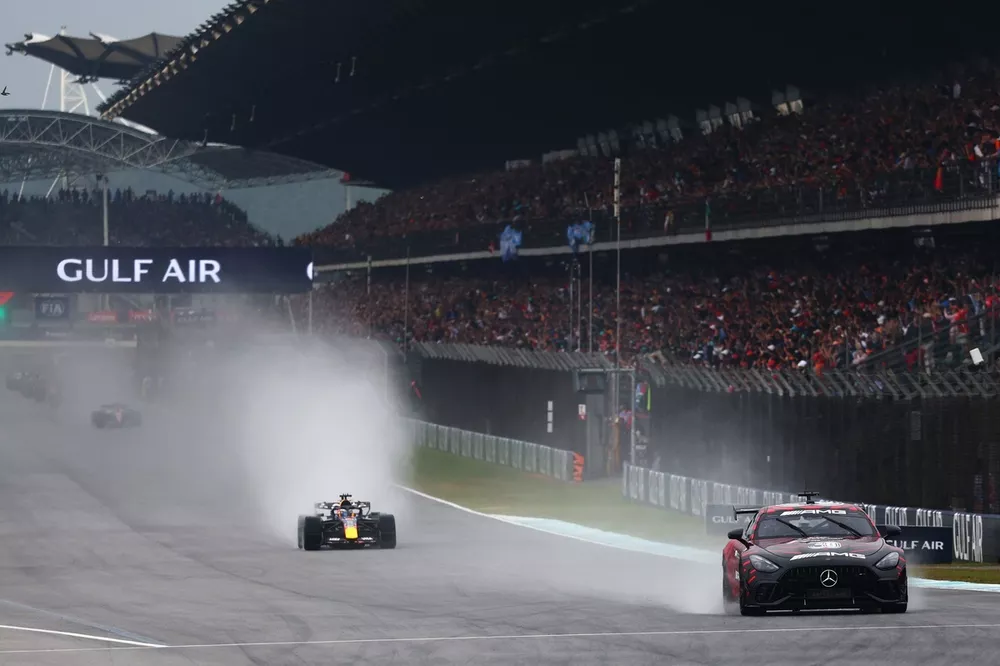
A systemic software failure during the Bahrain GP in Malaysia left several drivers stranded in idle mode, forcing an aborted start and a significant delay. This incident, occurring during the first wet weather race for the 2026 generation of cars, has reignited a heated debate over Formula 1's increasing reliance on complex electronic systems over raw mechanical control.
Why it matters:
The glitch represents a critical failure in the 2026 power unit regulations, where software—rather than the driver—effectively dictated the car's performance. For athletes who prize absolute control, having the throttle cut off by an external bug is seen as an unacceptable compromise to the sport's DNA and a potential safety concern.
The details:
- The Bug: A software glitch was triggered by the power unit controller's wet weather mode specifically when cars operated at very low speeds.
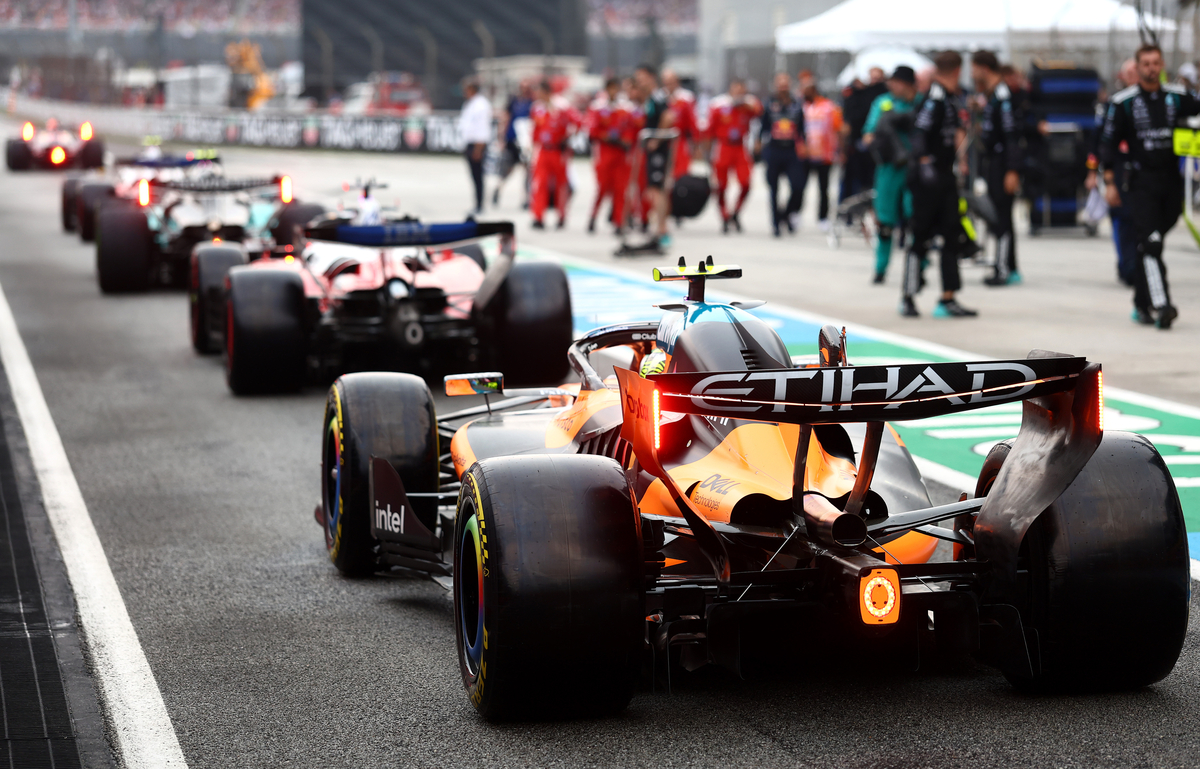
- Impact: Drivers were trapped in an idle loop during formation laps, rendering engines nearly useless and leaving cars crawling on the straight.
- The Fix: The FIA was forced to rapidly develop and distribute a software patch to all 11 teams during a red flag stoppage to lift the power reduction in affected zones.
- The Cost: The race start was delayed by 50 minutes, creating a major blemish on the event's execution.
The big picture:
The reaction from the grid was overwhelmingly negative. Lando Norris described the electronic failures as "horrible," suggesting F1 should pivot away from such complex hybrid systems. Max Verstappen likened the slow-moving formation lap to a "Lego go-kart race," while Oliver Bearman expressed genuine fear at having his throttle pedal controlled by an external software bug. This sentiment echoes a growing frustration among drivers that the human element is being overshadowed by an over-engineered electronic framework that can fail at the most critical moments.
What's next:
While the FIA provided a quick fix for this specific race, the incident serves as a warning for the remainder of the 2026 season. The governing body and PU manufacturers must now ensure that the new generation of power units is stable under all climatic conditions to avoid further undermining the sport's credibility and driver confidence.
Original Article :https://www.motorsport.com/f1/news/horrible-totally-unacceptable-powerless-f1-dr...