

/Bahrain%20lowdown%20header.webp)



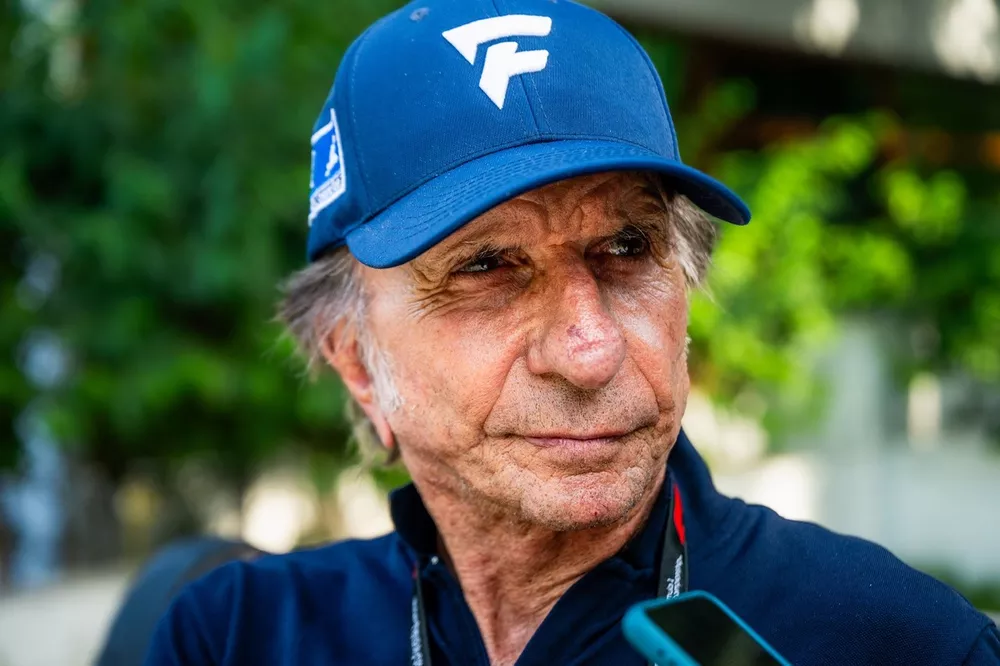
Emerson Fittipaldi on the Weight of Legacy and the Human Side of Colin Chapman
Emerson Fittipaldi’s ascent to the pinnacle of Formula 1 was marked by a brutal juxtaposition of triumph and tragedy. Thrust into the lead driver role at Lotus in 1970 following the death of Jochen Rindt, Fittipaldi navigated an era of extreme danger and immense pressure to eventually become a world champion.
Why it matters:
Fittipaldi’s reflections provide a rare glimpse into the psychological toll of the 1970s, where the line between victory and fatality was razor-thin. His account also challenges the historical narrative of Colin Chapman as a cold, result-driven engineer, revealing a man deeply traumatized by the loss of his drivers.
The Details:
- The Sudden Transition: Fittipaldi was promoted to lead driver after Jochen Rindt’s fatal crash at Monza—a tragedy that occurred just hours after the two had shared breakfast.
- Managing Maximum Pressure: Despite his rookie status, Chapman provided total support, which allowed Fittipaldi to secure his first victory at Watkins Glen immediately after Rindt's passing.
- The 1972 Peak: Fittipaldi’s tenure at Lotus was highly successful, culminating in a dominant 1972 campaign and nine victories across 42 starts.
- Chapman’s Vulnerability: In a poignant moment after the 1972 title, Chapman confessed to Fittipaldi that he feared getting too close to him, haunted by the deaths of Jim Clark and Rindt.
The Big Picture:
Looking back from October 2026, the "survivor" mentality shared between Fittipaldi and peers like Jacky Ickx underscores the staggering evolution of F1 safety. While modern drivers face immense technical and commercial pressure, the existential dread of the 1970s defined a generation of racers who viewed surviving the sport as an achievement equal to winning a championship.
Original Article :https://www.motorsport.com/f1/news/emerson-fittipaldi-jochen-rindt-death-team-lo...