





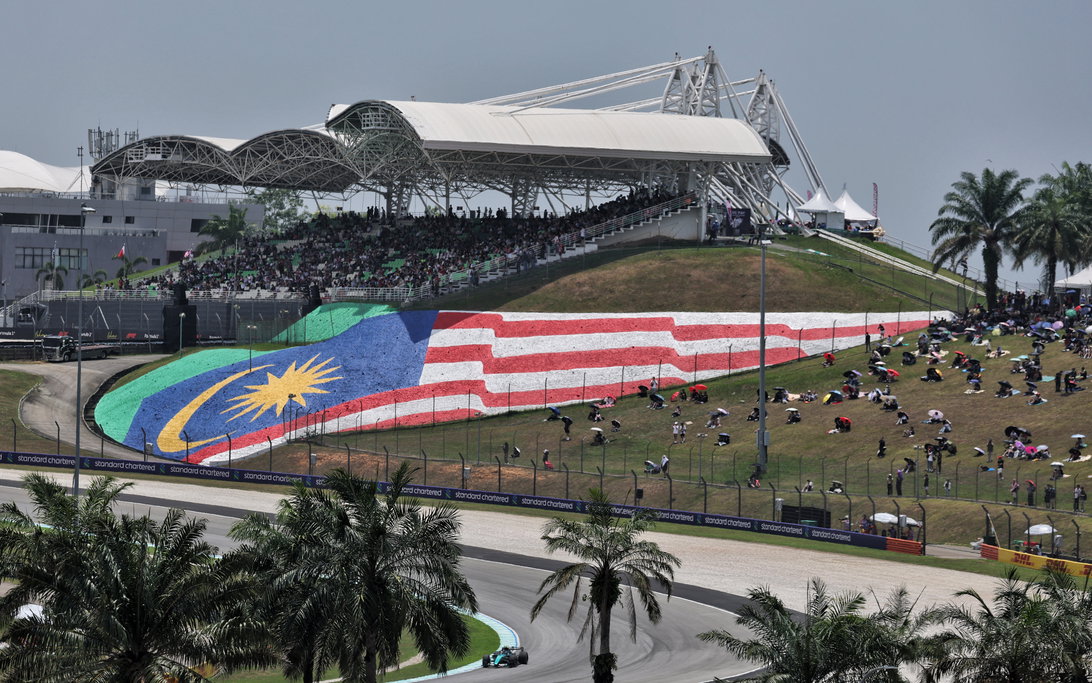

Software Failure Paralyzes Grid at Relocated Bahrain GP in Sepang
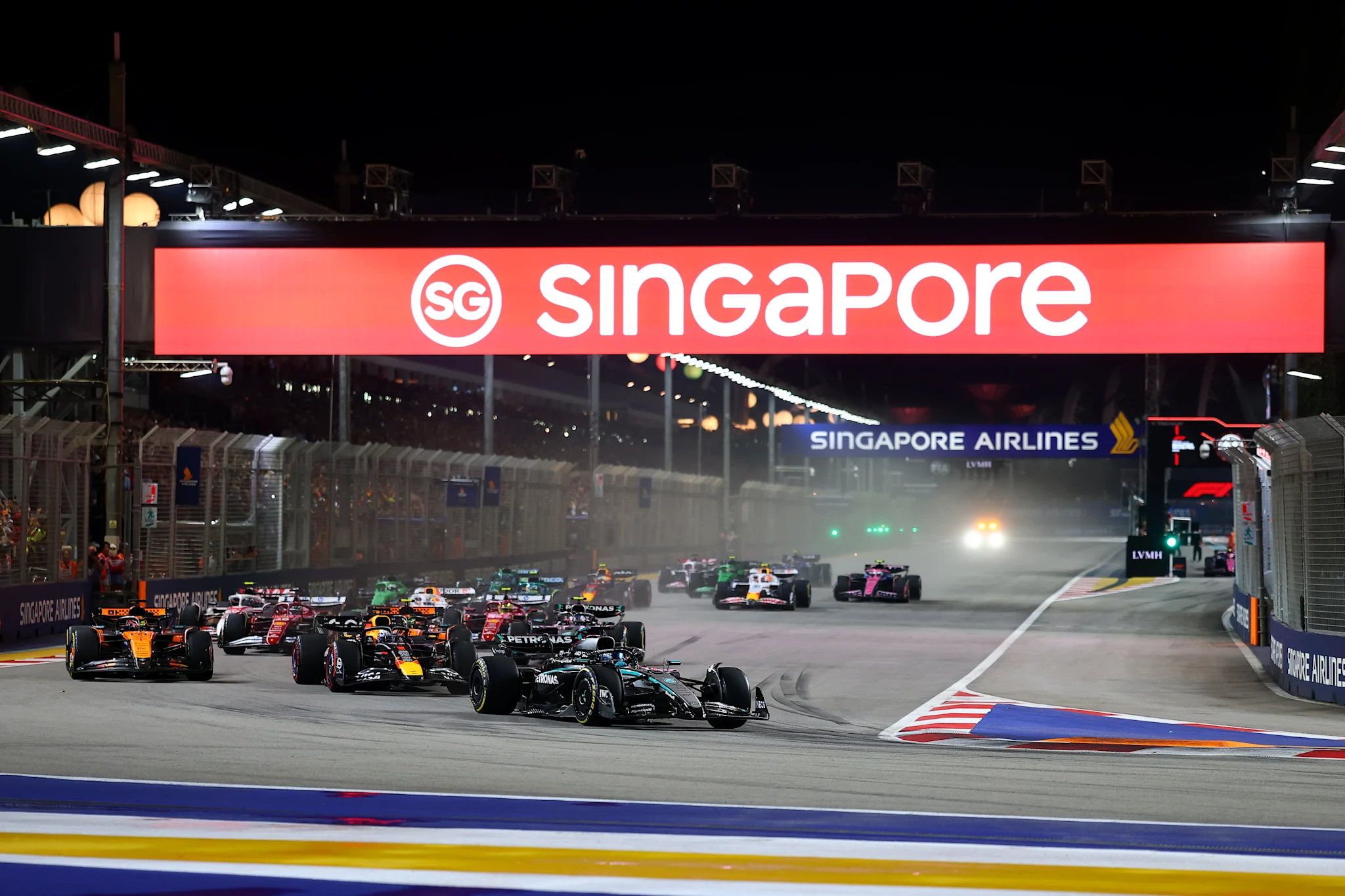
Formula 1's transition into a series of "rolling computers" faced a brutal reality check at the relocated Bahrain Grand Prix in Sepang. A systemic software failure during the formation lap effectively paralyzed the entire grid, highlighting the precarious nature of the 2026 technical regulations.
Why it matters:
The 2026 regulations introduced a controversial 50/50 power split between the internal combustion engine and the electrical battery. With electrical output tripling to a 350kW limit, cars are now heavily dependent on complex background coding to maintain stability. This incident proves that in the current era, a few lines of flawed code can completely override millions of dollars in hardware engineering.
The Details:
- The Technical Trigger: The crash was caused by a bug in the automated wet-weather energy management settings, designed to keep cars stable in low-grip conditions.
- Grid Impact: The glitch triggered a massive, unintended power loss. Reigning 2025 champion Lando Norris described the electronic interference as "horrible," while Max Verstappen and Lewis Hamilton were left completely stranded in torrential rain.
- Emergency Intervention: The failure was so deeply embedded that the FIA was forced to distribute an emergency software patch to all teams under red-flag conditions to bypass energy constraints and restart the race.
- Industry Reaction: Red Bull adviser Helmut Marko slammed the event as "shameful," arguing that a high-end product like Formula 1 should not be brought to a standstill by a software problem.
What's next:
F1 executives are now under intense pressure to stabilize the digital infrastructure of the 2026 power units. As the sport moves forward, the priority must shift from maximizing the 50/50 power split to ensuring digital reliability to prevent further race-day blackouts.
Original Article :https://www.motorsport.com/f1/news/helmut-marko-brands-f1-malaysia-software-fail...