






Should F1 Change the VSC Rule? The Painful History of Lost Wins
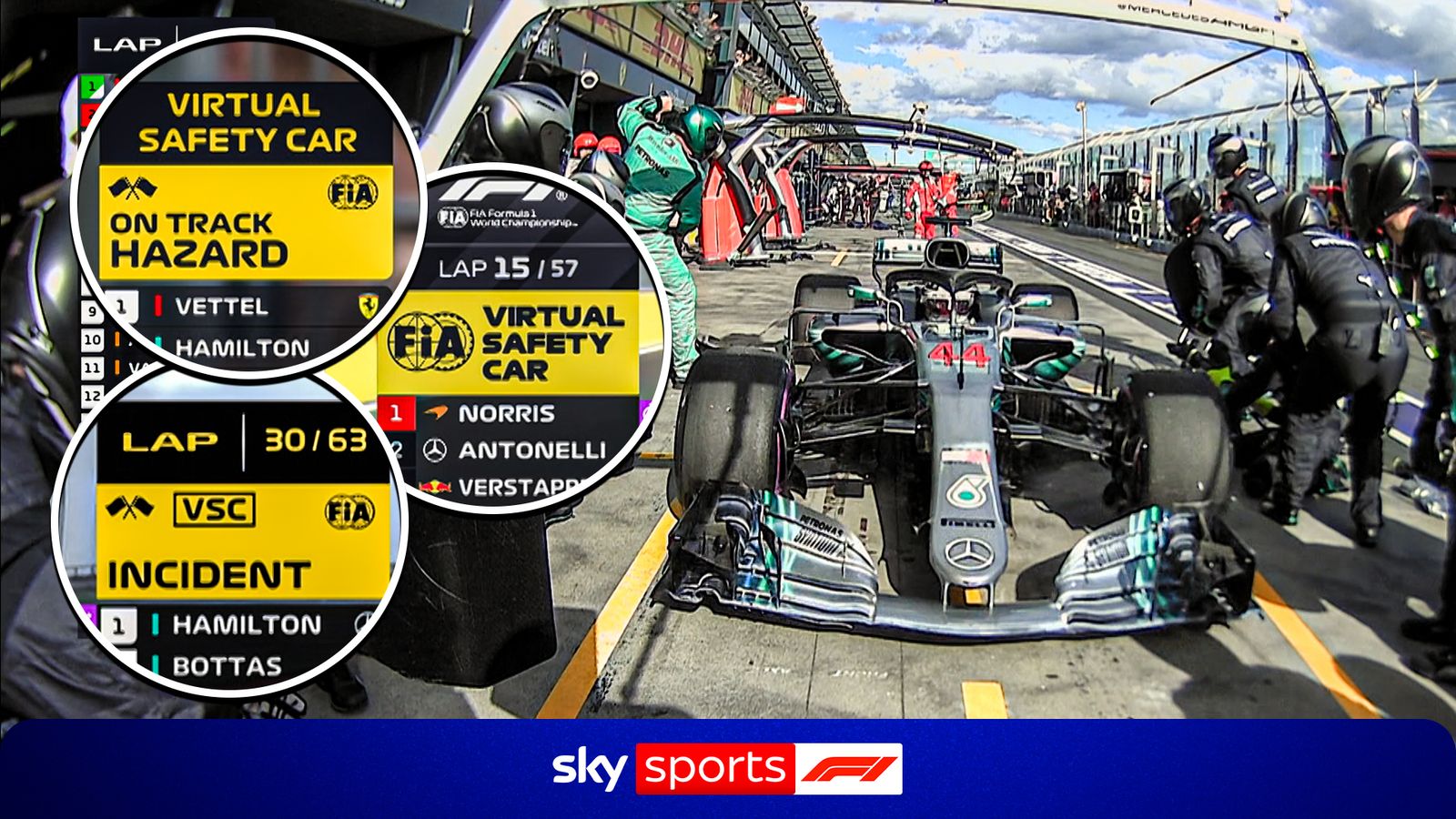
The Virtual Safety Car (VSC) was designed to slow the field safely, but it has become one of the most controversial tools in F1. Time and again, a race leader has seen a win slip away because a rival pitted under VSC and gained track position without making a single on-track pass.
Why it matters:
A VSC effectively gives teams a cheap pit stop. The leader can lose the advantage of track position through timing, not pace. That has reignited the debate over whether the rule is fair to those who have done the hard work at the front.
The Details:
- Under VSC, every driver must stay within a target lap time, so the pack slows dramatically. Stopping under those conditions costs far less time than under green-flag racing, which turns pit strategy into a weapon.
- The worst cases happen when the leader has just passed the pit entry as the VSC is deployed. They lose a full lap of benefit, while a rival behind can dive into the pits and come out ahead.
- In 2021, Lewis Hamilton was left to rue a VSC call as Esteban Ocon took a famous win for Alpine in Hungary. The same debate has flared whenever a late VSC has shuffled the top order since.
- Some within the paddock have suggested options like closing the pit entry during VSC, or introducing a minimum stop time, to limit the random effect on the race.
The Big Picture:
The VSC was introduced in 2015 as a safety measure, but its strategic side effect has never been fully solved. F1 has already adjusted Safety Car rules, including allowing lapped cars to unlap themselves, so there is precedent for changing how neutralisations work.
What's Next:
There is no sign of an imminent change, but the pressure is building. If a title-deciding race is ever swung by a VSC pit stop, the calls for rule change will be impossible to ignore.
Original Article :https://www.skysports.com/f1/video/37484/13588594/f1-should-the-rules-change-mom...