





Shell's 'Game-Changer' Sustainable Fuel Powers F1's 2026 Overhaul
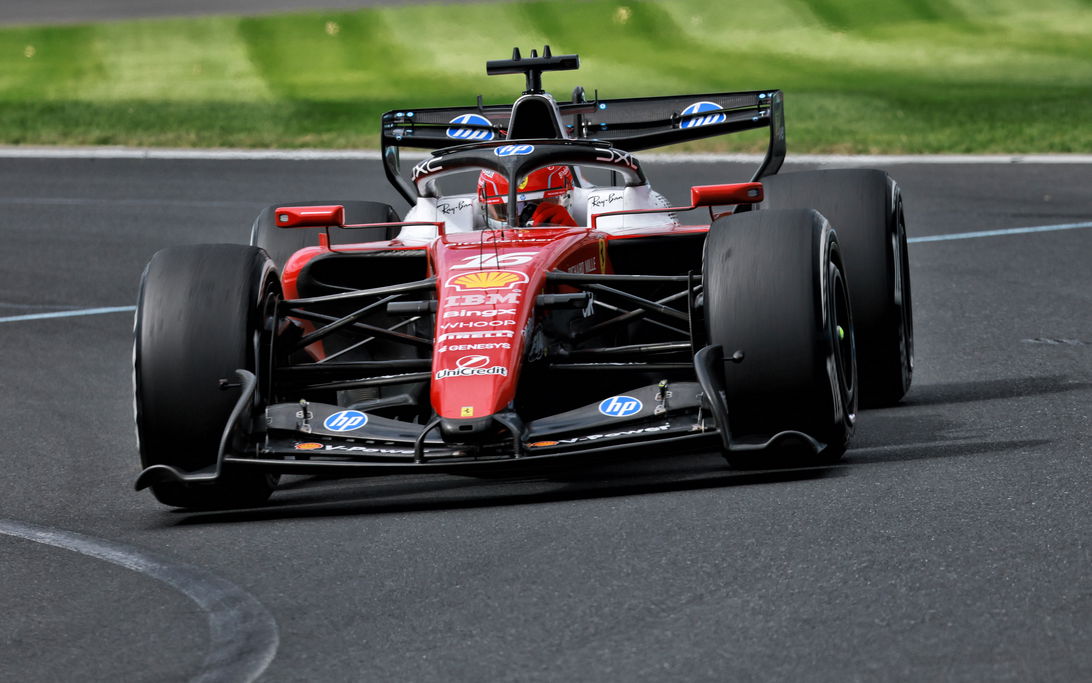
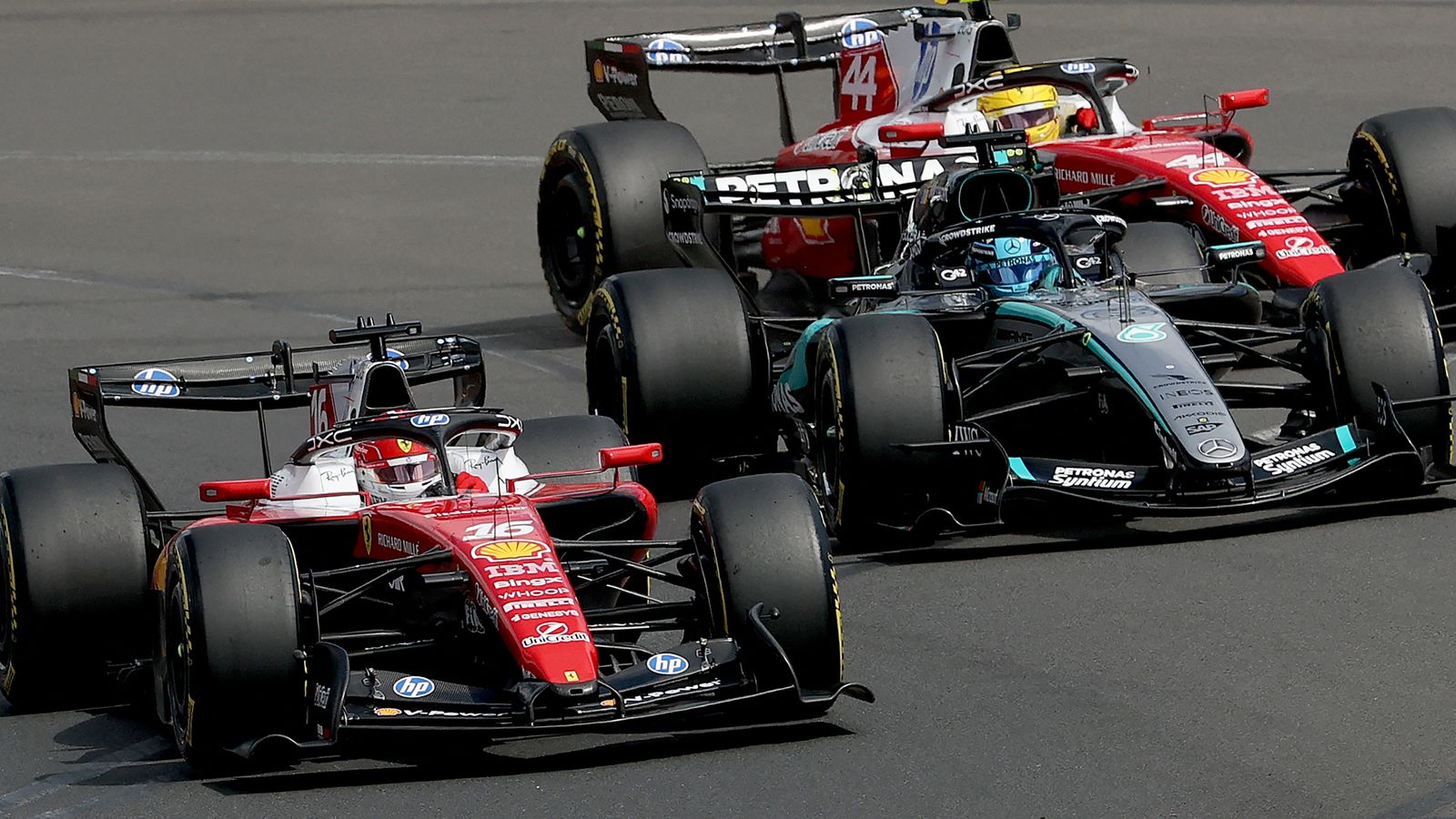
Formula 1 is gearing up for a major fuel revolution in 2026, mandating the use of advanced sustainable fuels that must reduce greenhouse gas emissions by at least 65%. Shell, a long-time Ferrari partner, is at the forefront of this challenge, developing new fuels synthesized from unconventional sources like agricultural waste and recycled plastics. The goal is to create a fuel that maintains current performance levels while meeting stringent new sustainability targets for Ferrari's next-generation power unit.
Why it matters:
This shift is critical for Formula 1's goal of becoming a more sustainable and technologically relevant motorsport. It represents one of the most significant technical challenges in recent history, forcing fuel partners to innovate radically. Successfully developing a high-performance, sustainable fuel is not just about regulatory compliance; it's about gaining a crucial competitive edge in a new era where efficiency and sustainability are paramount to winning championships.
The details:
- Feedstock Freedom: The "game-changer" for 2026 is the origin of the fuel molecules. Shell has the freedom to synthesize them from a wide range of sustainable feedstocks, including residues from the wood and paper industries, agricultural waste, municipal waste, and even recycled plastics.
- The "Tailor-Made" Approach: The fuel must be precisely formulated to match the "appetite" of Ferrari's all-new 2026 power unit, which features increased electrical power and the removal of the MGU-H. Shell scientists work like tailors, designing the fuel molecule-by-molecule for optimal performance and efficiency.
- Performance Parity: The ideal outcome is a sustainable fuel with a nearly identical chemical composition to the current high-performance race fuel, ensuring a seamless transition for the engine's design and operation. This would make the switch invisible from a performance standpoint.
- The Carbon Equation: The FIA will certify the entire supply chain, measuring the energy used to create the fuel to ensure it achieves the required 65% or greater reduction in greenhouse gas emissions compared to a standard fossil fuel.
What's next:
Shell's development project for the 2026 fuel has been active since 2022, involving extensive research into new manufacturing processes and chemical solutions that have never been tried before. The challenge of meeting the FIA's strict targets while delivering race-winning performance is seen not as a burden, but as an opportunity to push the boundaries of fuel technology. The success of this "game-changer" fuel will be a defining factor in the competitive order of the 2026 season and beyond.
Original Article :https://www.the-race.com/promoted/game-changer-f1-fuel-revolution/
