





F1's New Era Faces Critical Test in China with First Sprint Weekend
Formula 1's 2026 regulations face their first major logistical test this weekend at the Chinese Grand Prix, which doubles as the season's first Sprint event. Teams and drivers must adapt their new energy management strategies to the unique Shanghai circuit with just one hour of practice, creating a high-risk, high-reward scenario that could reshuffle the competitive order seen in Australia.
Why it matters:
The compressed Sprint format amplifies the inherent challenges of a new technical era, placing an unprecedented premium on perfect preparation and simulation. How teams handle the limited track time will provide the first true stress test of their understanding of the 2026 cars and could set early narratives about operational strength for the season ahead.
The details:
- The Shanghai International Circuit presents a starkly different energy management challenge compared to Melbourne. Its layout, featuring a massive 1.1km back straight and larger braking zones, is less "energy-starved," allowing for more straightforward battery deployment.
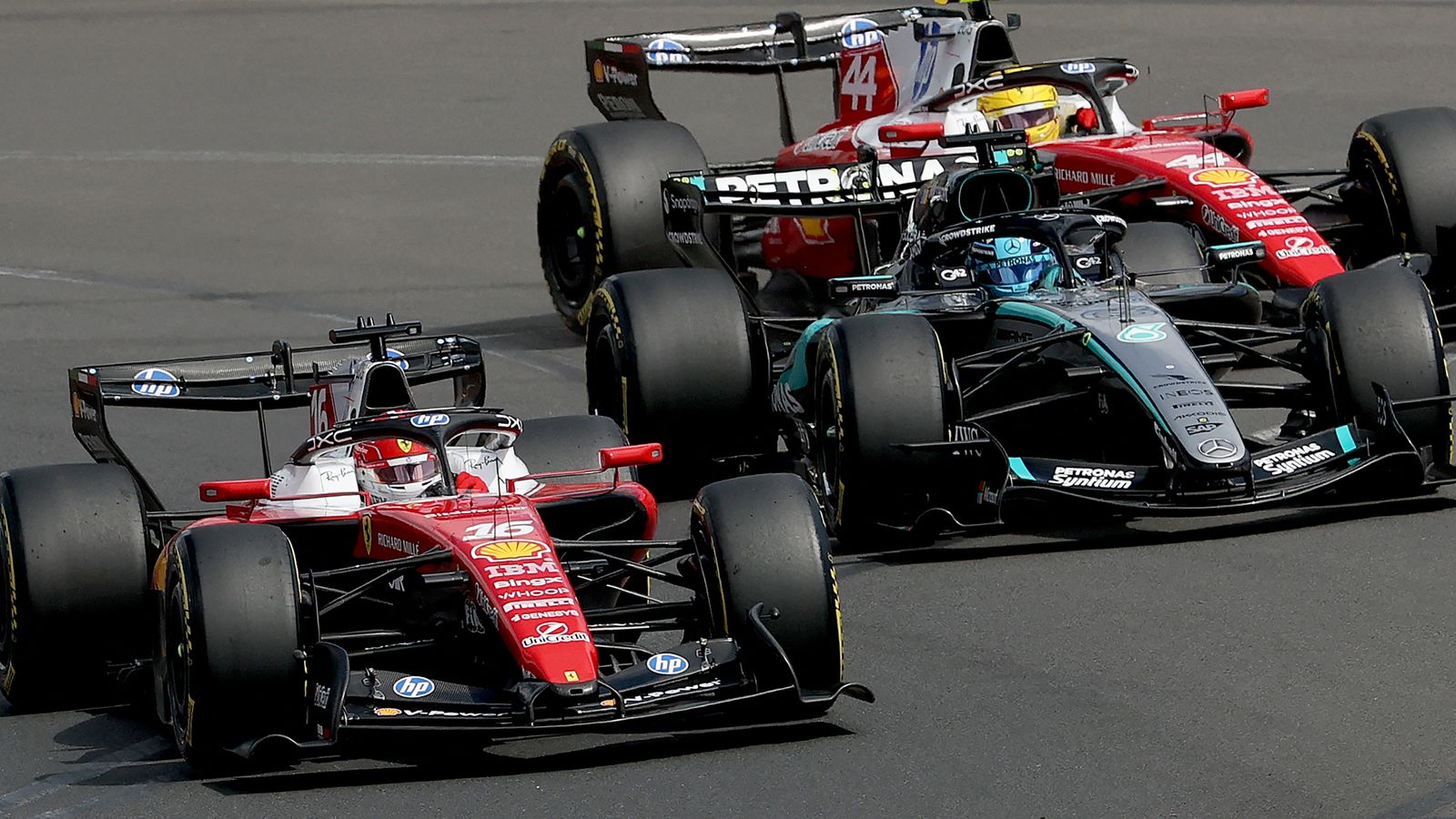
- George Russell highlighted the contrast, noting that in Australia, energy had to be divided across multiple short straights, creating a "yoyoing" effect in battles, whereas in China it will be concentrated on one major straight.
- The Sprint schedule is the biggest wildcard. With only a single 60-minute practice session before Sprint Qualifying, teams have minimal time to optimize car setup, tire understanding, and the complex new power unit strategies for the track.
- Ferrari Team Principal Frederic Vasseur emphasized the difficulty, contrasting it with the six days of pre-season testing: "We'll do FP1, 20 laps, and we'll have to go for the strategy of the qualy... This exercise will be difficult."
- Charles Leclerc called it a "huge challenge for everybody," acknowledging that even after a full weekend in Melbourne, teams were not fully on top of the new cars.
What's next:
The weekend is a massive opportunity for teams to gain an early strategic advantage or, conversely, make costly errors. Ferrari's disastrous Sunday in Shanghai last year—where both cars were disqualified due to strategic miscalculations—serves as a cautionary tale for the precision required. Expect teams to rely heavily on pre-event simulation data, and watch for potential surprises in the Sprint results as some adapt faster than others to the unprecedented conditions.
Original Article :https://www.skysports.com/f1/news/12433/13517676/chinese-grand-prix-why-second-r...