




Sepang’s Brutal Surface Shifts Focus to Race Pace at Bahrain GP
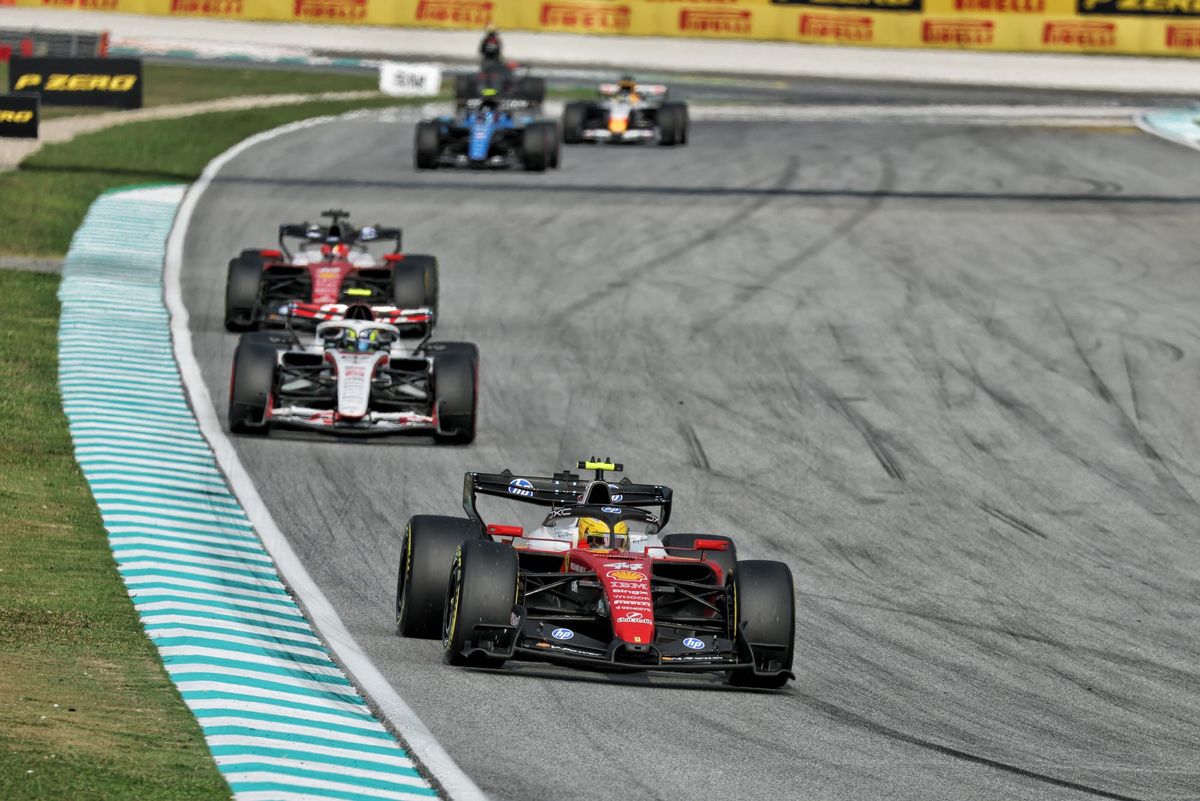
Friday practice for the Bahrain Grand Prix in Malaysia was defined by a deteriorating track surface and unexpected performance drops. Lap times plummeted 4.5 seconds below simulations, forcing teams to scrap standard qualifying preparations in favor of urgent race-pace data gathering.
Why it matters:
The extreme degradation levels—reminiscent of the high-wear characteristics of Barcelona—mean that grid position is now secondary to tyre management. In this environment, the ability to sustain pace and manage thermal decay outweighs a single fast lap, opening the door for significant strategic upsets on Sunday.
The details:
- Surface Issues: A rough track surface led to unexpectedly low grip across all compounds, triggering a "vicious circle" where sliding increases surface temperatures, further reducing grip.
- Degradation Stats: Pirelli reports a significant decay of 0.2 to 0.3 seconds per lap on both medium and soft tyres.
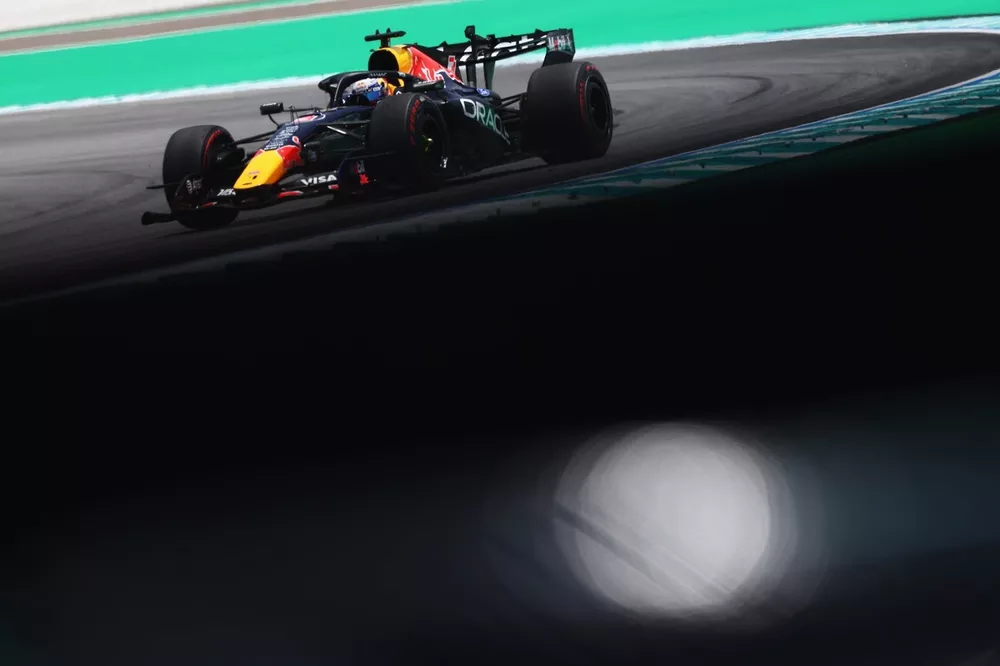
- Strategic Shift: Red Bull and other teams prioritized long runs early in FP2 to secure data before predicted rain, specifically focusing on the medium compound's behavior.
- Axle Conflict: Teams are struggling to balance rear axle protection—the primary concern at this "rear-limited" track—with front axle stability in high-speed corners.
- The Hard Tyre Gamble: All teams have saved their C2 hard compound sets, leaving a complete lack of real-world data for the hardest tyre available this weekend.
The big picture:
Unlike the previous race in Baku, where qualifying was paramount, the Sepang circuit demands a complete shift in philosophy. The traditional rule that harder compounds are better for the race may not apply here; if the harder tyre generates less grip and slides more, it could actually degrade faster than the softs.
What's next:
With a two- or three-stop race now highly probable, strategic variation will be the deciding factor. The lack of data on the C2 compound adds a layer of unpredictability, as teams must now guess the optimal balance between protection and performance for Sunday.
Original Article :https://www.motorsport.com/f1/news/max-verstappens-unusual-run-plan-and-f1-teams...