



Sebastian Vettel reveals "Daddy, don't go" moment that marked his F1 decline
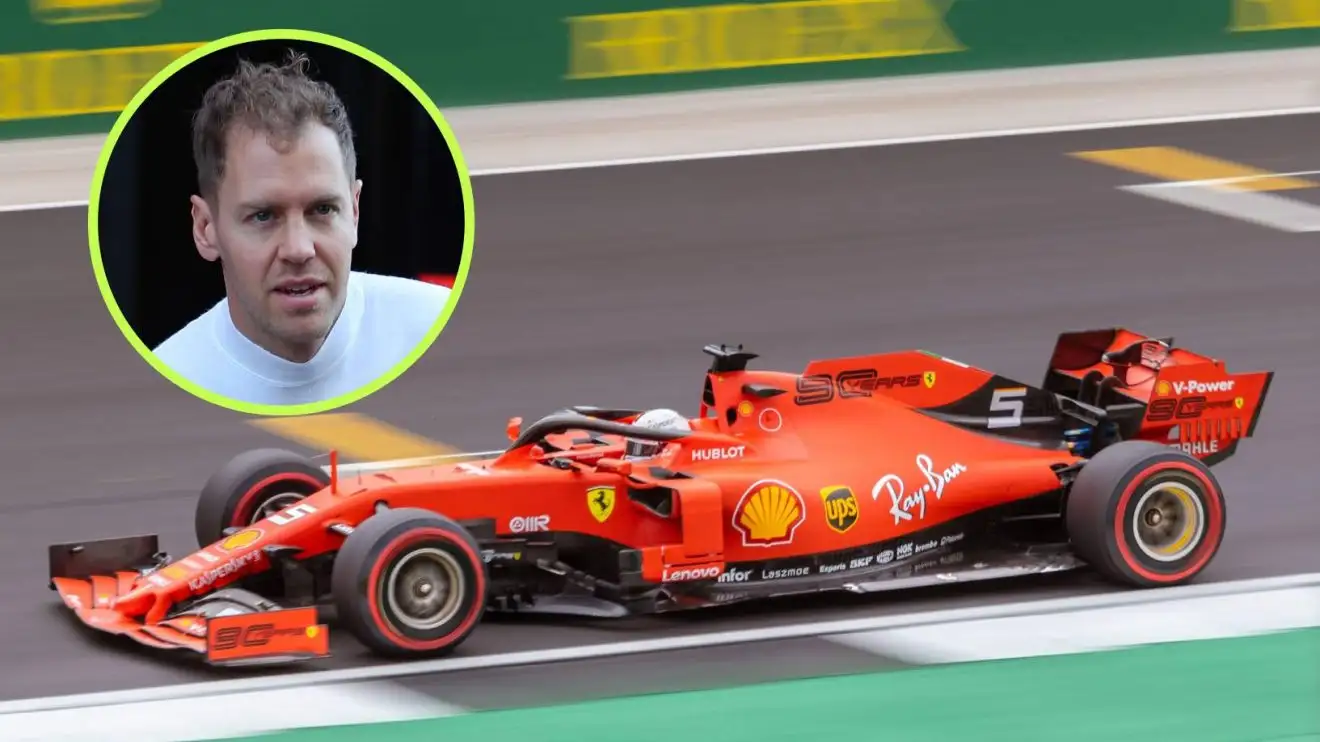
Sebastian Vettel has opened up about the gradual decline of his F1 career, pinpointing a shift in motivation around 2018. The four-time world champion cited the emotional toll of leaving his young family, compounded by Ferrari's inability to challenge for titles and the dynamic with his new teammate, Charles Leclerc. This internal shift, rather than a sudden loss of speed, ultimately led to his decision to retire from the sport.
Why it matters:
Vettel's candid reflection provides a rare glimpse into the psychological and personal factors behind an F1 driver's retirement. It moves beyond the typical narrative of declining performance, highlighting how even a four-time champion can lose the "ultimate push" due to a confluence of personal and professional circumstances. His story humanizes the immense pressure and sacrifice required at the pinnacle of motorsport.
The details:
- The Turning Point: Vettel recalls the start of the 2018 season, feeling a reluctance to travel despite his love for racing. "I couldn't be bothered sitting a day in a plane again," he admitted, a strange feeling for someone so driven.
- Family Influence: The emotional weight of leaving his children became a significant factor. He contrasted the sad looks from his dog with the much harder experience of his kids saying, "Daddy, don't go."
- Ferrari's Frustration: By 2019, Vettel felt Ferrari was stagnating. "We struggled to just make progress as a team," he said, leading to a demoralizing sense that "we're not good enough" to challenge Mercedes.
- The Leclerc Effect: The arrival of Charles Leclerc, with his youthful energy, created a stark contrast. Vettel, "spoiled" by past success, was only interested in winning, while Leclerc was "over the moon" with fifth or sixth-place finishes, highlighting their different career stages.
The big picture:
The 2020 COVID-19 hiatus provided Vettel with an unexpected period for reflection, solidifying his shift in priorities. His subsequent move to Aston Martin was less about a title challenge and more about seeking personal reassurance that he could still perform. Vettel concluded that even the greats, like his idol Michael Schumacher, grapple with insecurity, and that while he could still deliver "peak performances," his "overall peak" as a relentlessly hungry competitor had passed.
Original Article :https://www.planetf1.com/news/sebastian-vettel-f1-decline-ferrari-break-year