



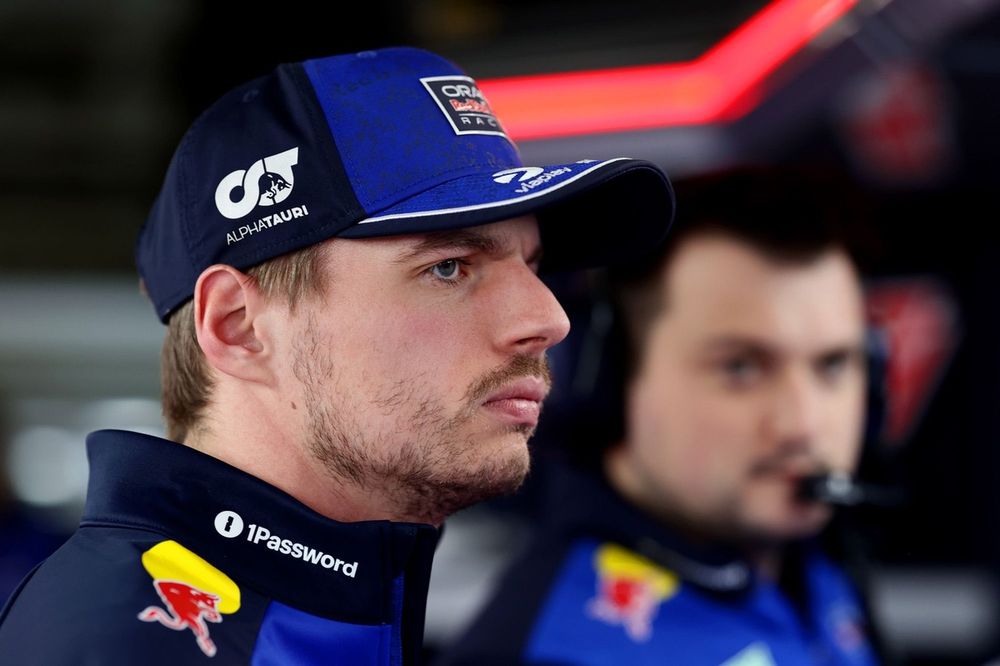
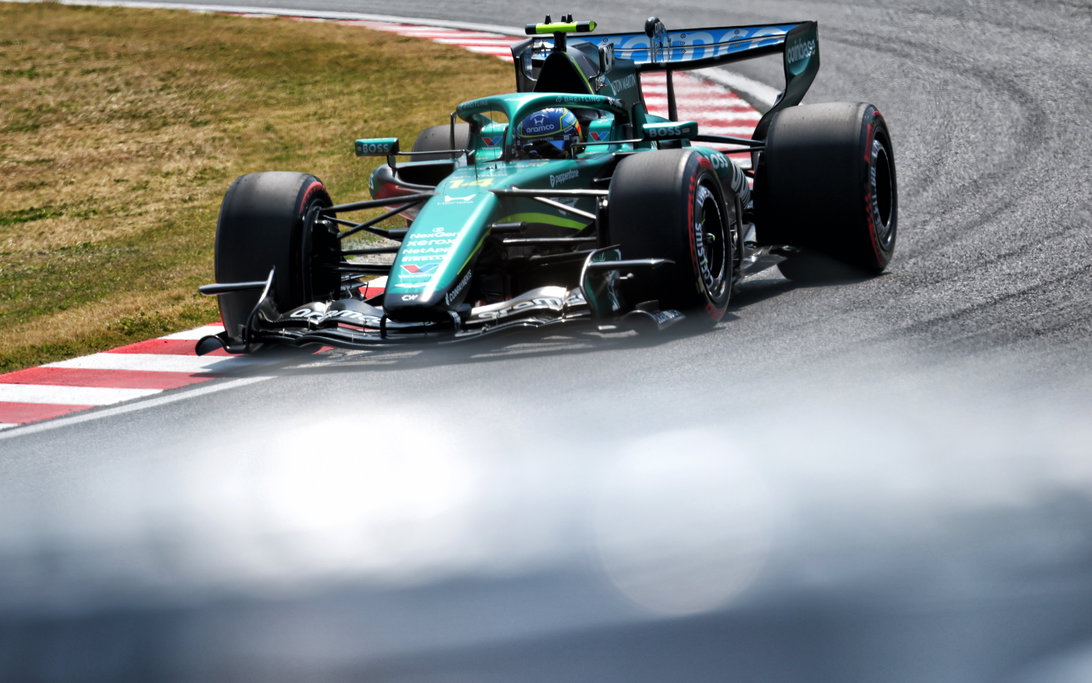
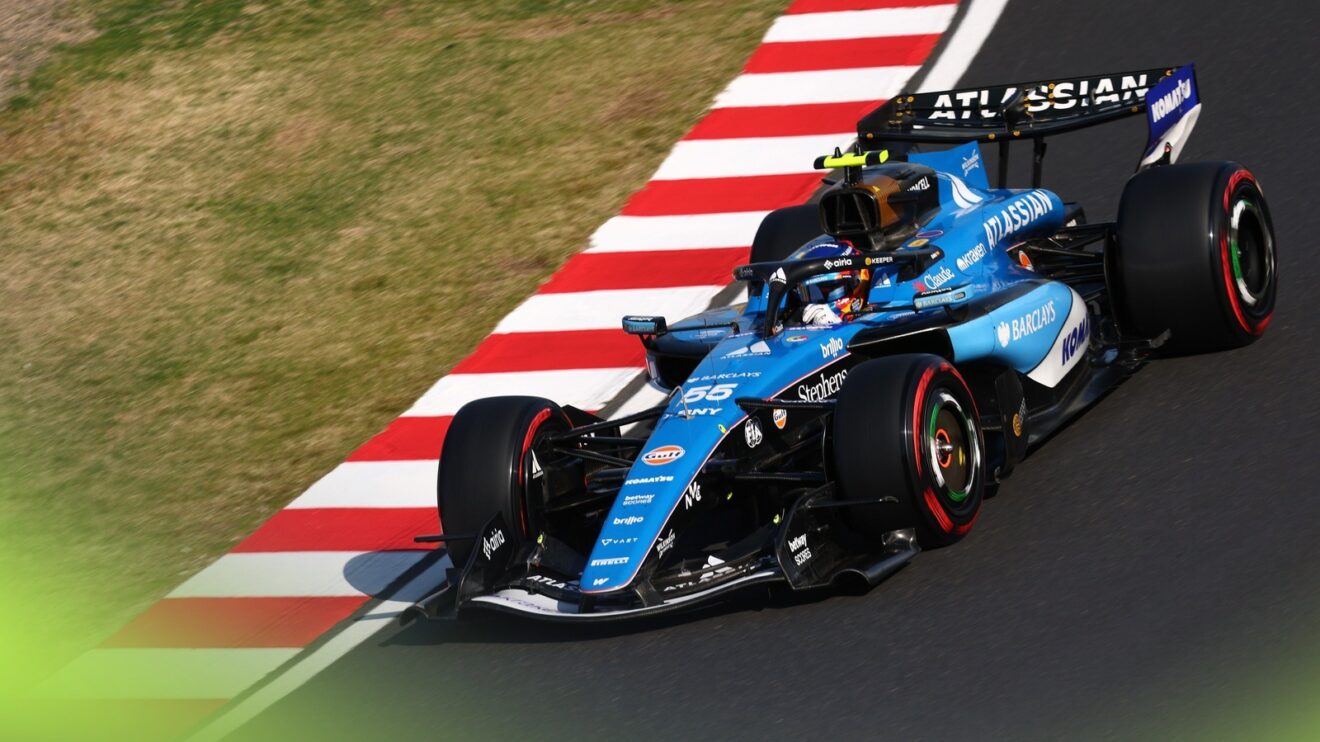
Sainz urges FIA to rethink 'not good enough' 2026 F1 rules
Carlos Sainz has issued a stark warning to the FIA, stating that Formula 1's planned 2026 power unit regulations are fundamentally flawed and "not good enough" for the sport. His criticism centers on a driving style that forces drivers to go slower in corners to be faster on straights, a dynamic he experienced firsthand during qualifying for the Japanese Grand Prix.
Why it matters:
The 2026 regulations represent the sport's next major technical shift, aimed at increasing sustainability with more electrical power. However, if the current concept creates an unnatural and counter-intuitive driving experience, it risks alienating the drivers and undermining the core spectacle of F1. Sainz's comments, echoing similar concerns from Max Verstappen and others, signal a growing driver revolt that could force a significant rethink before the rules are locked in.
The details:
- The core issue is the balance between the internal combustion engine (ICE) and the powerful 350kW electrical deployment. Drivers must harvest significant energy in corners via "superclipping" and lift-and-coast to have enough battery charge for the straights.
- Sainz explained his frustrating qualifying lap in Suzuka, where pushing harder made him slower overall: "I went quicker in every corner, slower in every straight and I went one-tenth slower. That’s simply because I spent more time full throttle."
- He argues this creates a perverse incentive. "The more you pushed, the slower you went," he said, deeming this reality unacceptable for the pinnacle of motorsport.
- Safety and Practicality Concerns: Sainz also questioned the sheer level of electrical power, suggesting 350kW "is almost too much" from both a circuit-specific and safety perspective, especially in wet conditions.
- Proposed Solution: The Ferrari driver suggested prioritizing a consistent and usable power delivery over peak performance. "I don’t mind being one or two seconds lower overall... if the deployment and the energy is more consistent and allows us to push."
What's next:
A meeting between the FIA, teams, and drivers is scheduled after the Japanese GP to discuss potential refinements. While the FIA's technical leadership appears open to changes, Sainz expressed concern that team politics could block meaningful progress. "I’m a bit worried that the teams will push back. Some teams will be against changing it too much because they have other interests," he noted. However, he confirmed the drivers' stance is unified: "We’ve made it very clear from the drivers that it needs to get better." The coming weeks will test whether the stakeholders can align on a vision that satisfies technical, sporting, and safety criteria without compromising the essence of Formula 1.
Original Article :https://www.planetf1.com/news/carlos-sainz-f1-2026-rules-change-driver-criticism