





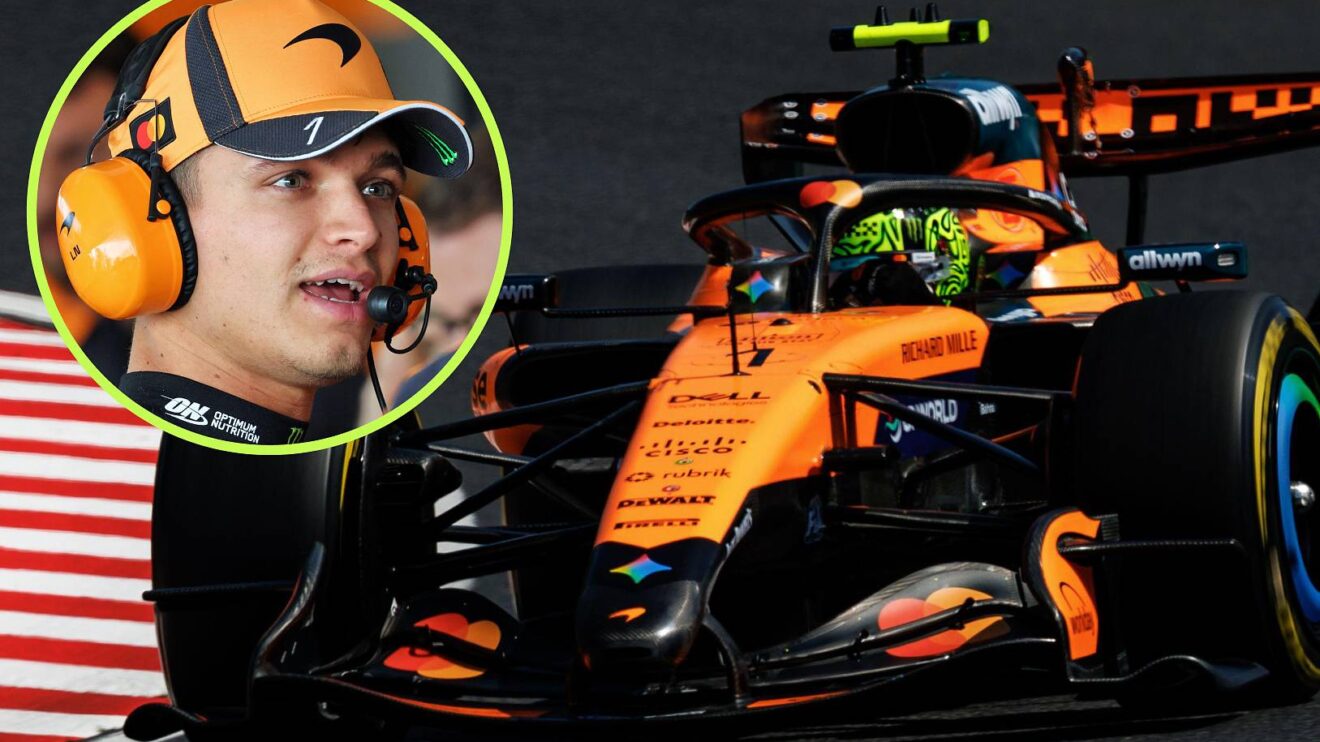
Lando Norris: 2026 F1 power units 'hurt the soul' as Suzuka speeds fall
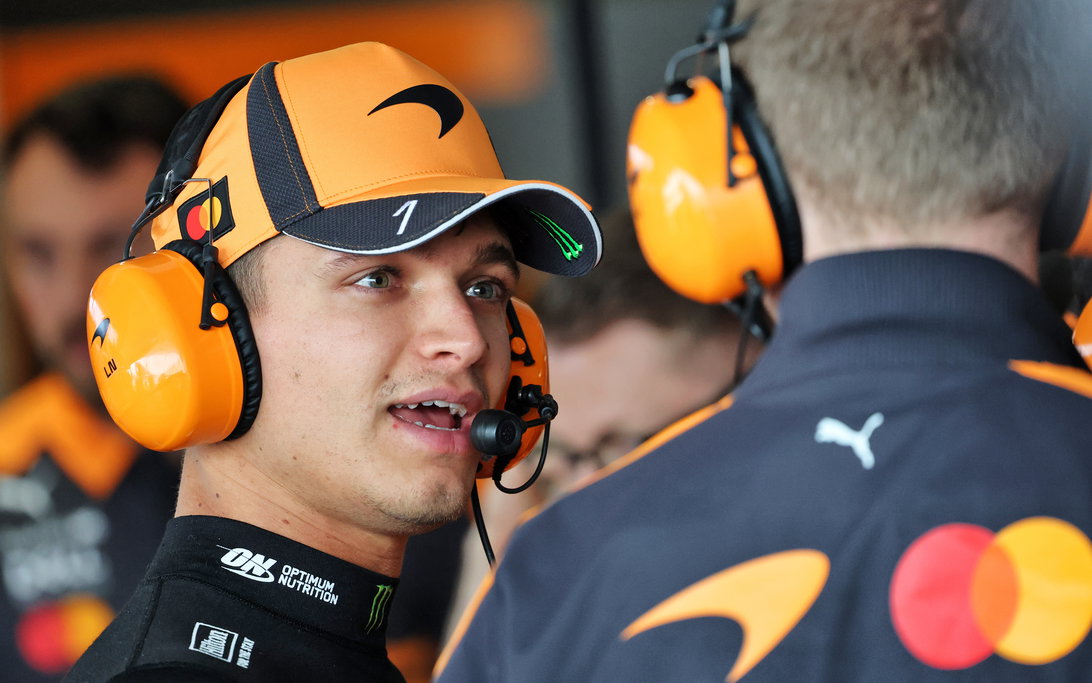
Lando Norris has sharply criticized the 2026 Formula 1 power unit regulations, calling the dramatic speed loss on straights at circuits like Suzuka something that "hurts your soul." The McLaren driver argues that while the new chassis and aerodynamic rules have improved racing, the energy-starved hybrid systems force drivers to compromise their cornering speed unnaturally to harvest energy, fundamentally changing the qualifying experience at high-speed venues.
Why it matters:
Norris's comments highlight a growing driver frustration with a core philosophical shift in the 2026 rules. The regulations are actively rewarding conservative, energy-management-focused driving over aggressive, traditional car control through high-speed corners. This trade-off between cornering commitment and straight-line speed could redefine what makes a qualifying lap thrilling for both drivers and fans, potentially sanitizing the challenge at iconic circuits.
The details:
- The 2026 power units have a significantly reduced energy harvest capacity, forcing drivers to lift and coast in high-speed corners to regenerate energy for deployment on the straights.
- At Suzuka, this is most evident in the famous Esses and Degner corners, where drivers are no longer on the absolute limit of what the car can do.
- The FIA preemptively reduced the maximum harvestable energy at Suzuka from 9mJ to 8mJ to encourage more natural driving, but cars are still running out of energy on key sections like the run from Spoon Curve to 130R.
- Norris clarified that the criticism is not of the new chassis, which he says is "better to drive, better to follow, better to race," but specifically of the power unit that "makes you go faster."
- The compromised driving style has a cascading effect on car setup, as engineers must account for the required lifting points.
What's next:
The adaptation curve for drivers and teams remains steep. Norris's own weekend was hampered by ERS issues, limiting his track time and leaving him playing catch-up on a new track surface with a new car. As seen with his minuscule 0.004-second gap to P4, mastering the intricate energy deployment map is now as critical as pure driving skill. This new complexity means missing practice time is more costly than ever, setting the stage for a season where operational perfection and in-session learning could decide championships. The debate over the soul of qualifying at classic circuits is only just beginning.
Original Article :https://www.planetf1.com/news/lando-norris-suzuka-criticism-2026-f1-power-unit-h...