


Sainz urges F1 to prioritize driver safety concerns after Bearman's high-speed crash
Carlos Sainz has issued a forceful plea for Formula 1's governing body to prioritize direct feedback from drivers over teams, following Ollie Bearman's high-G-force crash in Japan which he cites as a predictable consequence of the 2026 regulations. The Ferrari driver argues that massive closing speeds created by the new power unit modes make racing unsafe and are a problem the Grand Prix Drivers' Association (GPDA) has repeatedly warned about.
Why it matters:
The incident highlights a growing rift between the drivers' on-track safety concerns and some teams' satisfaction with the racing spectacle. With the 2026 regulations creating extreme speed differentials, drivers fear more serious accidents, especially on street circuits with limited runoff. Sainz's call represents a unified driver voice demanding immediate regulatory tweaks before a major incident occurs.
The details:
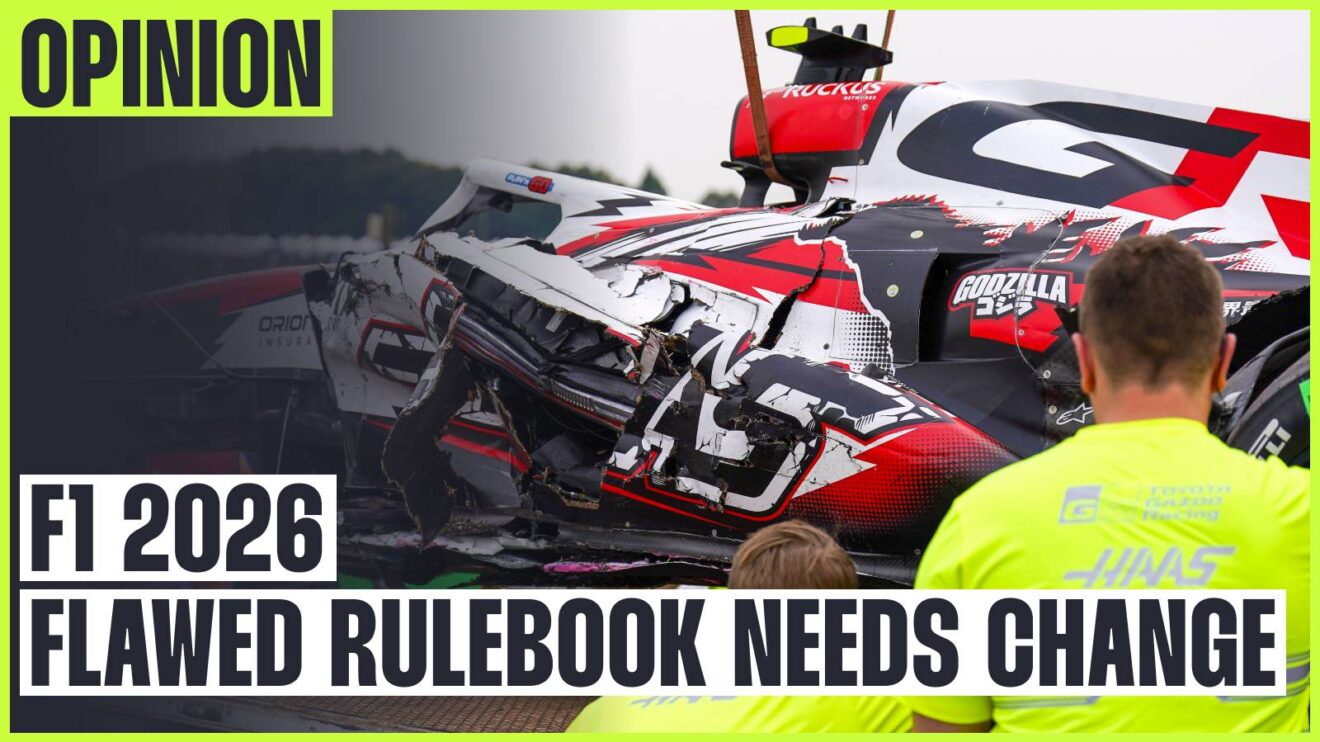
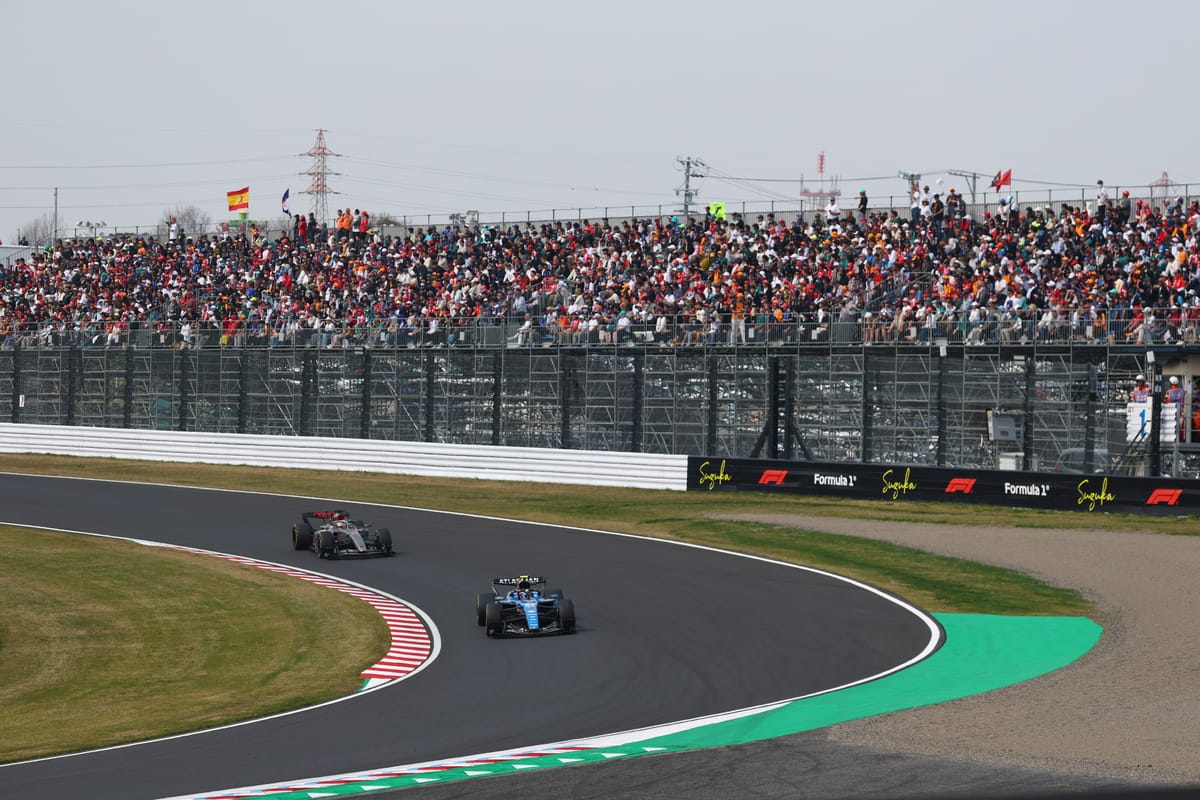
- The Trigger Incident: Rookie Ollie Bearman suffered a 50G impact after a huge closing-speed collision with the Alpine of Franco Colapinto in the Spoon Curve during the Japanese GP. Bearman escaped with knee bruising, but the severity of the crash underscored the risk.
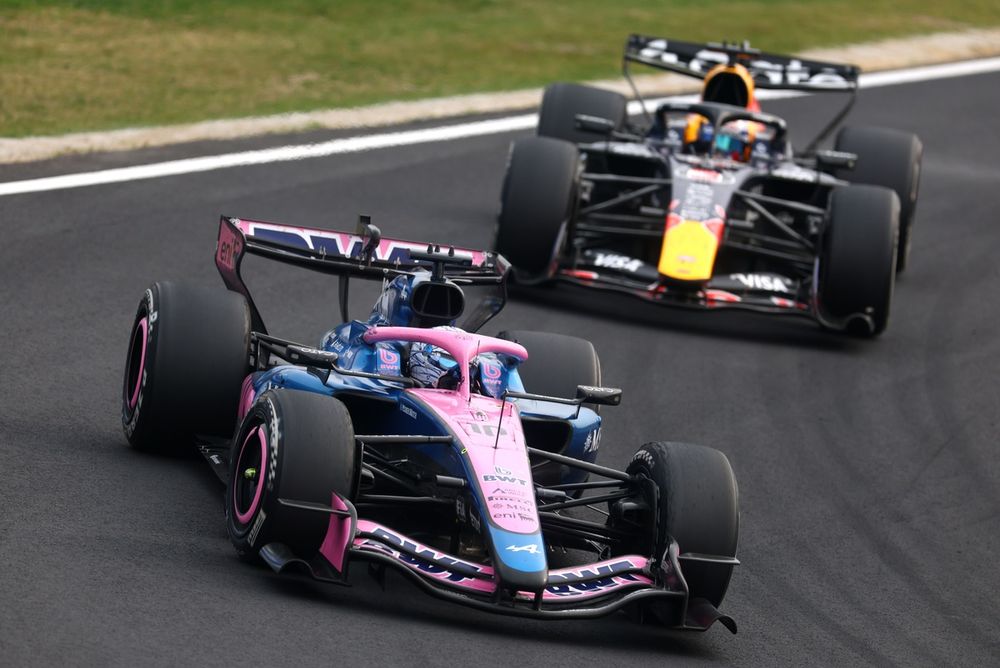
- Driver Consensus: Sainz stated the 50 km/h speed deltas between cars are "not racing" and create unpredictable, dangerous situations. He revealed the GPDA had explicitly warned the FIA such incidents would happen under the current rules.
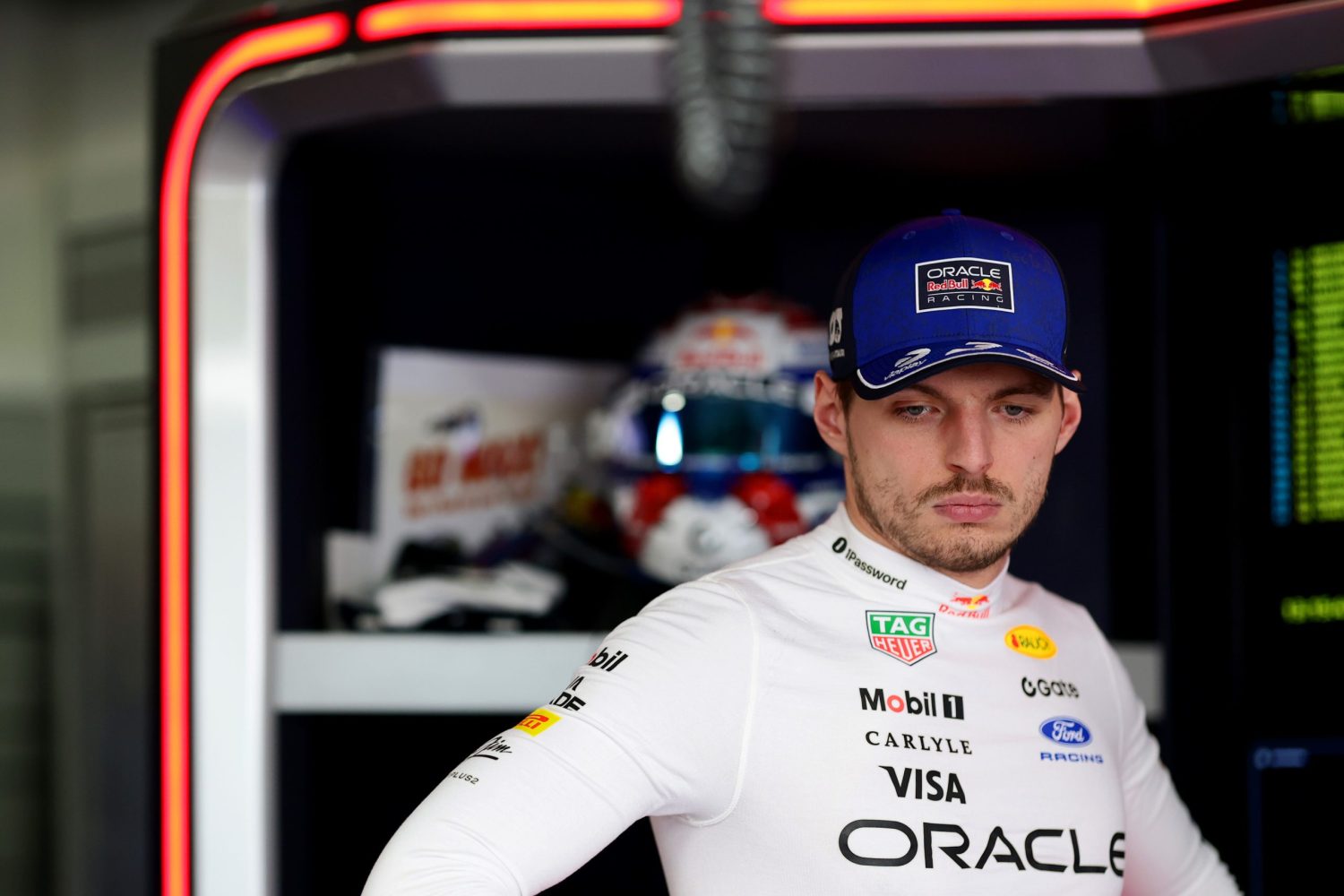
- Widespread Concern: Other top drivers echoed the alarm. Max Verstappen pointed to the dangerous speed differences caused by "mushroom mode" deployment. Lando Norris confirmed having "a fair few" near-misses, while Fernando Alonso called qualifying—with cars on slow recharge laps and hot laps mixing—the "most dangerous part."
- Team Perspective: McLaren Team Principal Andrea Stella, who had listed closing speeds as a top concern pre-season, stated the sport has a responsibility to act before major incidents, not after.
- Regulatory Focus: Drivers expressed frustration that the FIA's stated priority is fixing qualifying procedures rather than addressing race safety. Sainz called for a plan for the Miami GP and a medium-term solution to fundamentally improve the situation.
What's next:
The ball is now in the FIA's court to reconcile the spectacle with safety. The governing body has confirmed a series of meetings in April to assess the new regulations and determine if refinements are needed. The driver push is for swift action, with Sainz hoping for improvements by Miami and a significant step later this season. The coming weeks will test whether the teams' desire for exciting racing or the drivers' imperative for safety will carry more weight in shaping the 2026 rules' immediate future.
Original Article :https://www.the-race.com/formula-1/f1-must-listen-to-drivers-not-just-teams-over...
