



Bearman Crash Exposes Critical Flaws in F1's 2026 Regulations
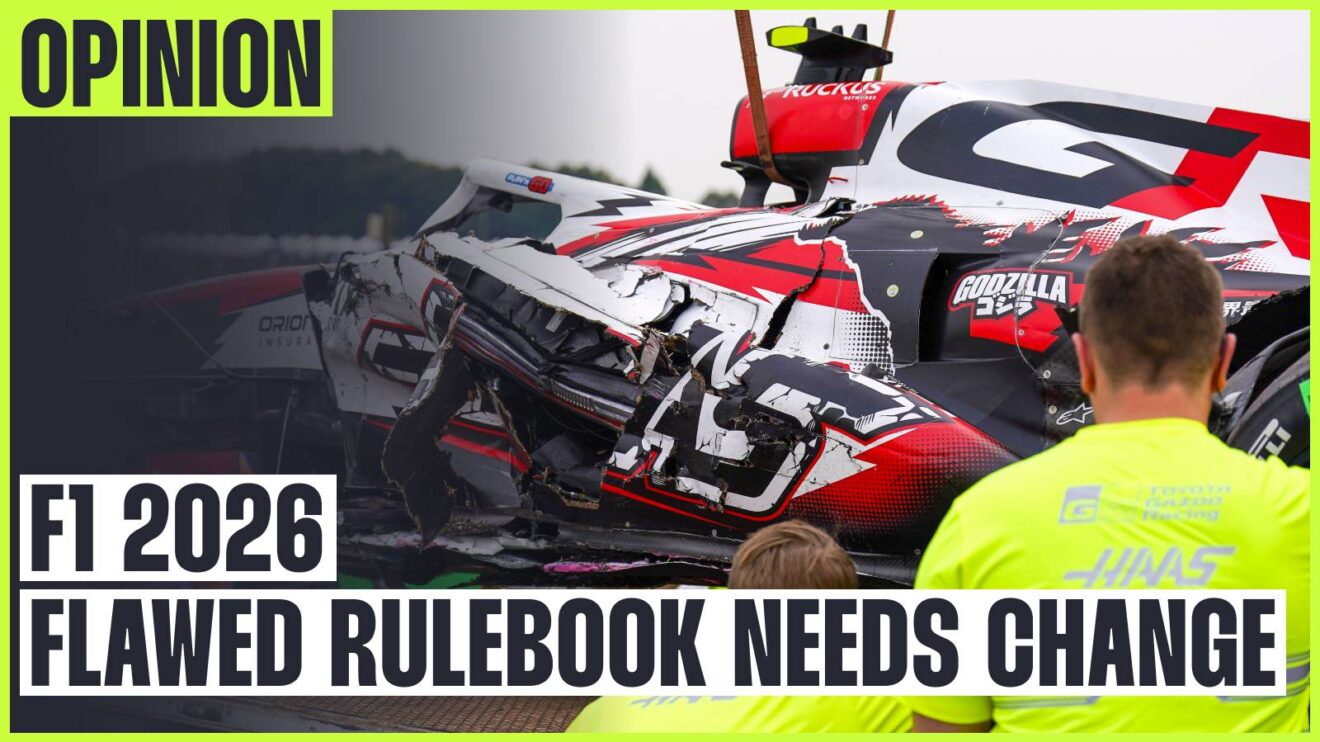
Oliver Bearman's high-speed crash at the Japanese Grand Prix has provided stark, physical evidence that driver complaints about the 2026 Formula 1 regulations are justified, highlighting significant safety and performance flaws that now demand urgent attention. The incident, caused by a massive and unpredictable speed delta between cars using electrical deployment and those that aren't, underscores a fundamental issue with the new power unit formula that drivers have warned about since pre-season testing.
Why it matters:
The crash moves the criticism beyond driver dissatisfaction and into the realm of proven safety risk. If a car on full deployment can approach another flat-out car 50 kph faster with no driver control over the system, it creates unavoidable accident scenarios. This threatens F1's credibility as the pinnacle of motorsport and risks alienating both its star drivers and its fanbase if not addressed swiftly.
The Details:
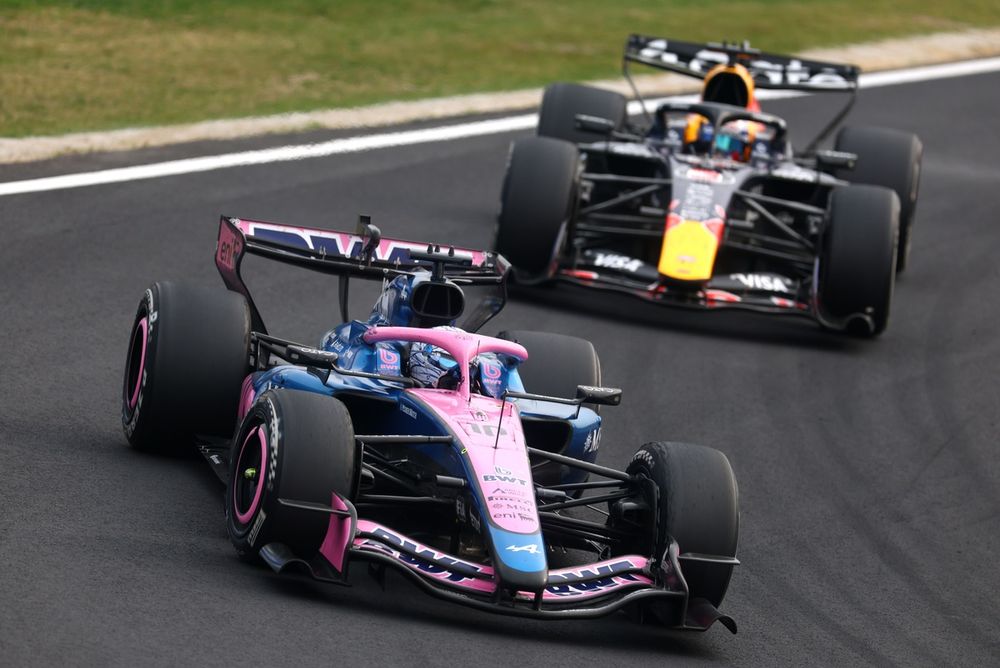
- The Suzuka Incident: Bearman's 50G impact occurred when his Haas, with its electrical energy deployment active, rapidly closed on Franco Colapinto's Alpine at the entrance to the Spoon curve. Data suggests a closing speed of approximately 50 kph while both drivers were at full throttle, a situation Bearman could not anticipate or control.
- Driver Frustration Peaks: Drivers are united in their criticism, describing a racing experience that feels artificial and disconnected.
- Lando Norris labeled the on-track action "yo-yoing," stating overtakes happen accidentally due to uncontrolled deployment and are not a product of driver skill or strategy.
- Fernando Alonso suggested the challenge has diminished, remarking that half his Aston Martin team could match his speed in certain corners due to the need to conserve energy.
- Lewis Hamilton and Max Verstappen have also been vocal, with Verstappen repeatedly questioning his future in the sport under these conditions.
- A Power Unit Paradox: The regulations create a contradiction where drivers must sometimes drive slower to achieve faster lap times, managing fragile energy reserves. While peak performance is high, the techniques to access it are counter-intuitive and, as seen in Japan, dangerous.
- A Perceived Lack of Voice: Drivers feel their expertise and warnings are being ignored for commercial and entertainment priorities. Hamilton noted drivers "don't have any power" in the regulatory process, while Norris cynically concluded, "It doesn't matter what we say."
What's Next:
Pressure is mounting for immediate regulatory tweaks and a potential long-term overhaul of the power unit philosophy.
- The FIA has confirmed meetings in April to address the issues, with short-term fixes likely focusing on adjusting energy deployment limits to reduce dangerous speed differentials.
- Longer-term, there is growing consensus that the mandated 50/50 split between internal combustion and electrical power was a mistake. A revision to this balance is now under serious consideration.
- GPDA Chairman Carlos Sainz issued a stark warning, urging change before similar incidents occur on street circuits like Baku or Singapore, where consequences could be far more severe.
- While an emergency return to V8/V10 engines is unlikely, the homologated power units may see accelerated development windows or a revision of the budget cap to encourage an "engine war" that could solve the energy management issues through competition.
The Bearman crash has served as a costly wake-up call. The sport's stakeholders now face a critical choice: prioritize genuine competition and driver safety to preserve F1's elite status, or risk its hard-earned prestige for the sake of artificial, and potentially hazardous, spectacle.
Original Article :https://www.planetf1.com/news/oliver-bearman-crash-f1-2026-backlash-driver-criti...