



Sainz Calls F1's Active Aero a 'Plaster' for Fundamental Power Unit Issues
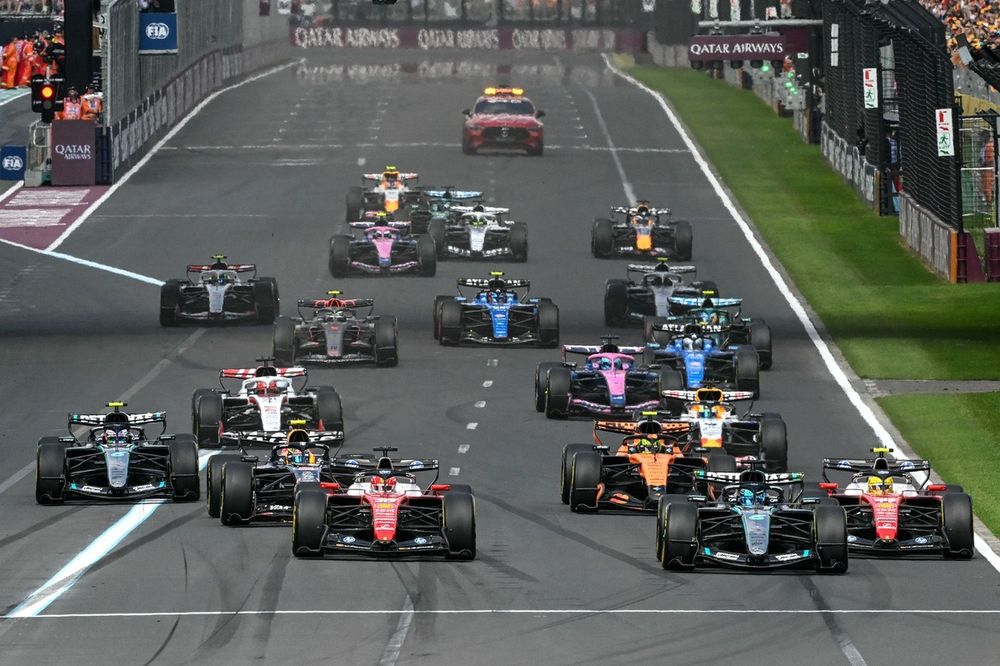
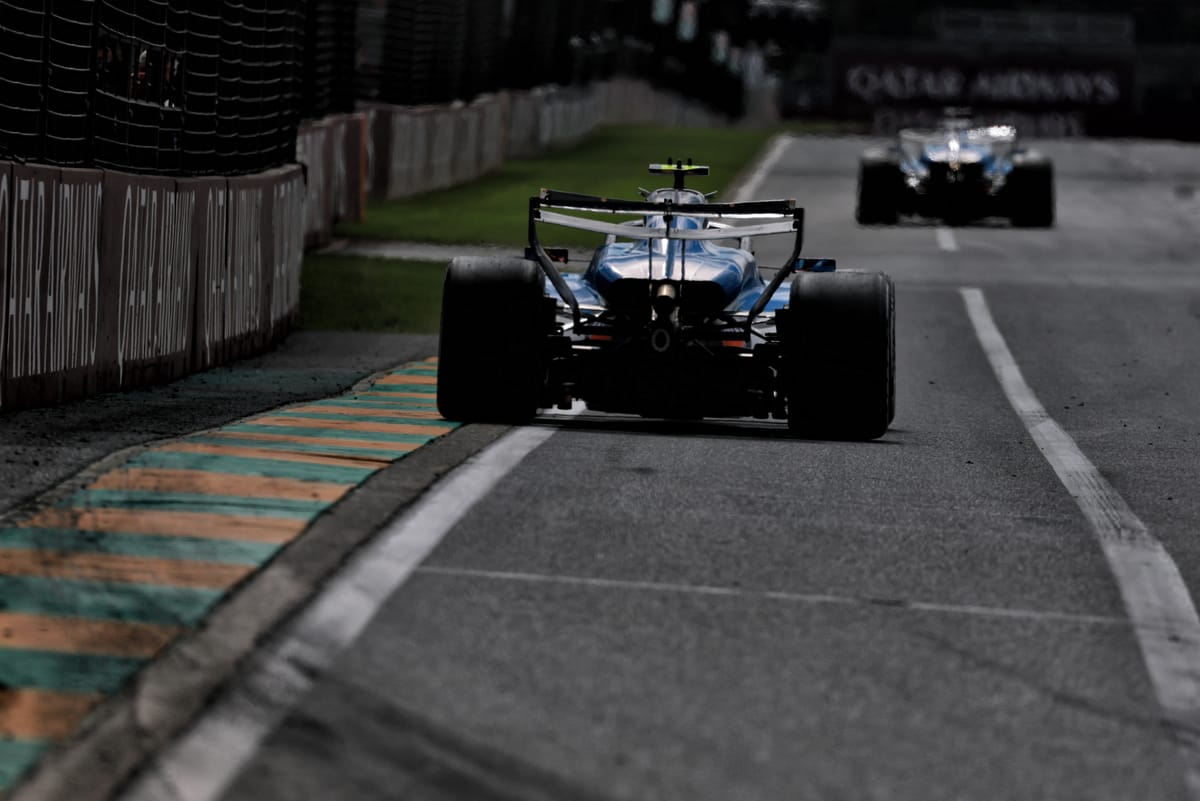
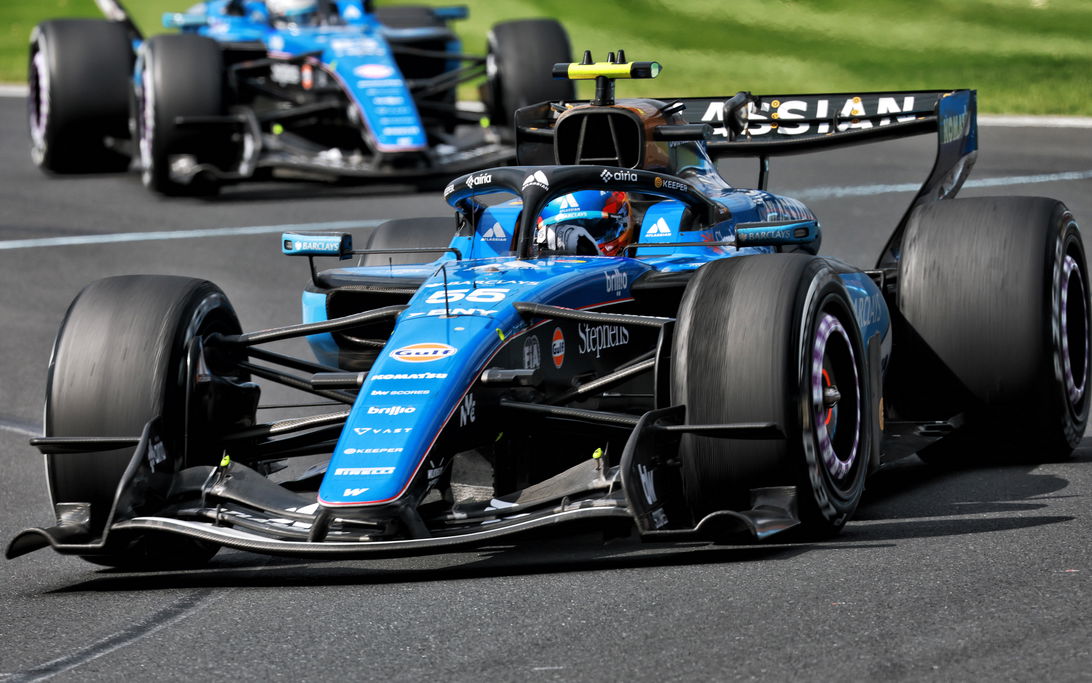
Carlos Sainz has labeled Formula 1's new active aerodynamics system a "plaster" covering fundamental problems with the 2026 power unit regulations, warning that its use creates "really dangerous" racing conditions. The Ferrari driver's comments follow widespread criticism from the grid after a "sketchy" season opener in Australia, where the Straight Mode (SM) activation made cars extremely difficult to control, especially on the first lap.
Why it matters:
The criticism strikes at the heart of F1's new regulatory era, suggesting the core power unit formula may be flawed. If a key innovation like active aero is primarily needed to compensate for energy deployment shortcomings rather than enhance racing, it raises questions about the regulations' long-term viability and safety. Drivers feeling the cars are unsafe on lap one is a serious concern that could force rapid changes from the FIA.
The details:
- The primary safety concern centers on the use of Straight Mode (SM), which reduces drag on straights. Drivers reported severe instability when using SM in another car's slipstream or through slight corners.
- Sainz pinpointed the fourth activation zone at Albert Park, particularly through Turns 7 and 8, as a major problem area. George Russell and other GPDA directors shared this concern.
- The situation became so problematic that the FIA initially removed the activation zone for the sweeping section between Turns 8 and 9 after driver briefings, only to reverse the decision hours later due to team pushback over strategic complications.
- Sainz argues the root cause is an "energy-starved" power unit formula. Teams are forced to use SM in suboptimal places to protect battery deployment, creating dangerous situations.
- He emphasized that SM is currently essential, as without it, the excessive lift-and-coast driving seen in qualifying would make racing impossible.
What's next:
The driver feedback from Australia will likely prompt urgent discussions between the FIA, F1, and the teams. The governing body faces pressure to either adjust the activation zones for upcoming races or address the deeper power unit deployment issues Sainz highlighted. With drivers united on the safety risk, expect potential technical directives or regulation clarifications before the next event to mitigate the immediate danger, while longer-term solutions for the power unit's energy management are debated.
Original Article :https://racingnews365.com/really-dangerous-f1-issue-branded-plaster-over-larger-...