





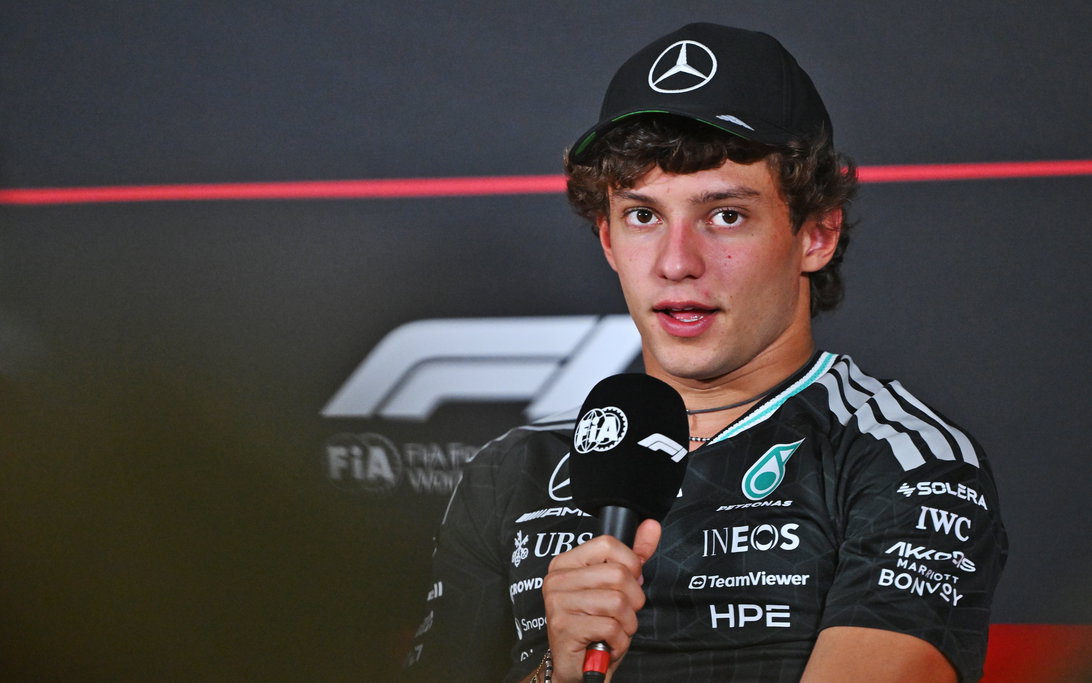
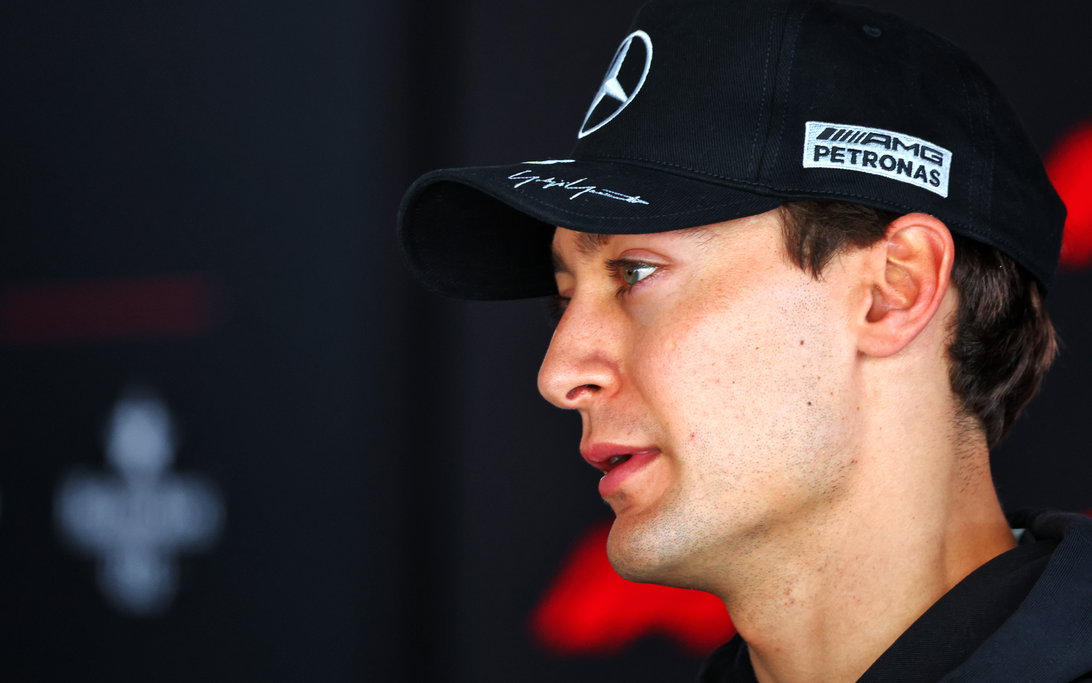
Russell: F1 should have gone further with Japan energy rule change
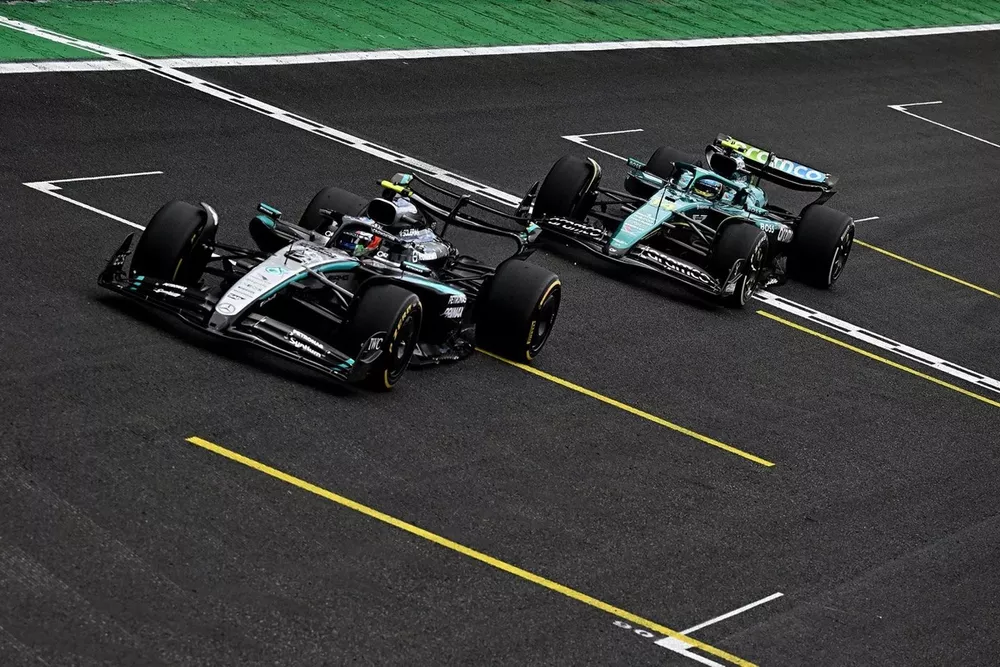
George Russell supported Formula 1's last-minute decision to reduce the energy deployment limit for qualifying at the Japanese Grand Prix but argued the sport could have implemented an even more drastic cut. The change, from 9MJ to 8MJ, was made to curb the controversial practice of 'super-clipping,' but the Mercedes driver believes a greater reduction would have created a fairer and less extreme performance swing.
Why it matters:
The move directly tackles a growing technical loophole affecting qualifying fairness. Super-clipping allows cars to harvest massive energy on straights, creating artificial top speed advantages that distort single-lap performance. By adjusting the rules, the FIA aims to ensure qualifying laps reflect genuine car and driver performance, not just energy management tricks, while also addressing potential safety concerns from drastic speed differentials.
The Details:
- The FIA, F1, and Power Unit Manufacturers reduced the total energy available for a single qualifying lap from 9MJ to 8MJ at Suzuka, a circuit with few heavy braking zones to regenerate energy normally.
- The Super-Clipping Issue: On such 'energy-starved' tracks, drivers are forced to use super-clipping—staying on full throttle while the car's systems harvest up to 250kW of energy, causing the car to slow significantly on the straight.
- Russell, who topped Friday practice, stated the 1MJ reduction was "100% the right decision" but suggested going further.
- Driver Experience: He explained the current situation creates a severe performance drop-off, citing the approach to Turn 1: "Having this really high peak top speed and then de-rating and super-clipping down to quite a slow speed... would have been less extreme."
- Performance Impact: A larger energy cut would increase lap times, potentially by around one second, but would smooth out the drastic acceleration and deceleration phases caused by aggressive harvesting.
What's Next:
Russell's comments highlight a driver consensus for clearer, more consistent energy deployment rules. This late change for Suzuka sets a precedent for the FIA to proactively adjust regulations for specific circuit challenges.
- The governing body will likely review the data from Japan to assess if the 8MJ limit was sufficient or if a new, standardized limit is needed for future energy-critical circuits.
- This incident adds to the ongoing dialogue about balancing complex hybrid power unit strategies with the core spectacle of wheel-to-wheel qualifying laps, a discussion that will continue into the 2026 regulation cycle.
summary: Mercedes' George Russell endorsed F1's decision to cut the qualifying energy limit at the Japanese GP to combat 'super-clipping' but argued for an even stricter reduction. He believes a greater cut would lessen extreme speed swings and create a fairer lap-time comparison, highlighting an ongoing debate over energy management in qualifying.
Original Article :https://racingnews365.com/george-russell-calls-for-more-drastic-f1-rule-change-a...