





Rivals begin copying Verstappen's aggressive 2026 downshift technique in Bahrain testing
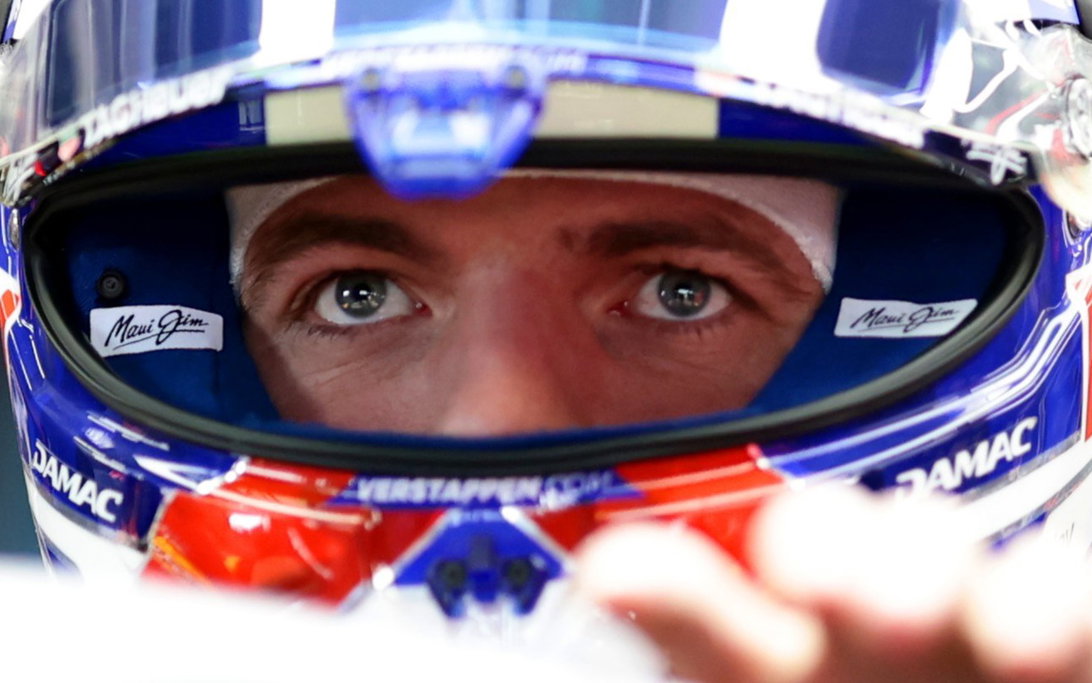
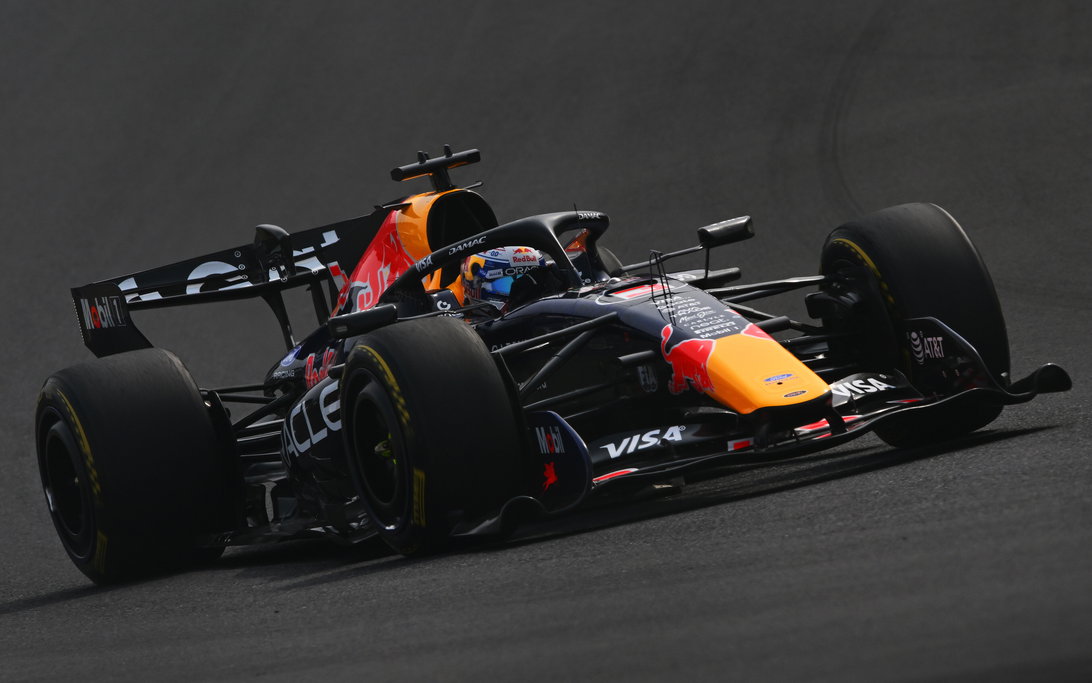
Max Verstappen's distinctive and aggressive downshifting technique, used to maximize energy recovery under braking, became a focal point for imitation by rival teams during the second day of pre-season testing in Bahrain. Drivers from multiple teams were observed experimenting with the unorthodox method of taking Turn 10 in first gear, a tactic mastered early by the Red Bull driver and central to his car's performance.
Why it matters:
This technical mimicry highlights a key battleground for the 2026 season: optimizing complex energy recovery systems. The ability to harness more electrical energy under braking could provide a critical performance advantage. When a three-time champion and his dominant team pioneer a specific driving technique, it sends a clear signal to the paddock about where the competitive edge may lie, prompting immediate analysis and attempted replication.
The details:
- Verstappen was the primary exponent of using an extra, aggressive downshift into first gear at Turn 10 during the first day of testing, a gear rarely used mid-corner outside of race starts.
- The technique is engineered around the Red Bull power unit and gearbox, designed to maximize battery charging under braking by revving higher in a lower gear.
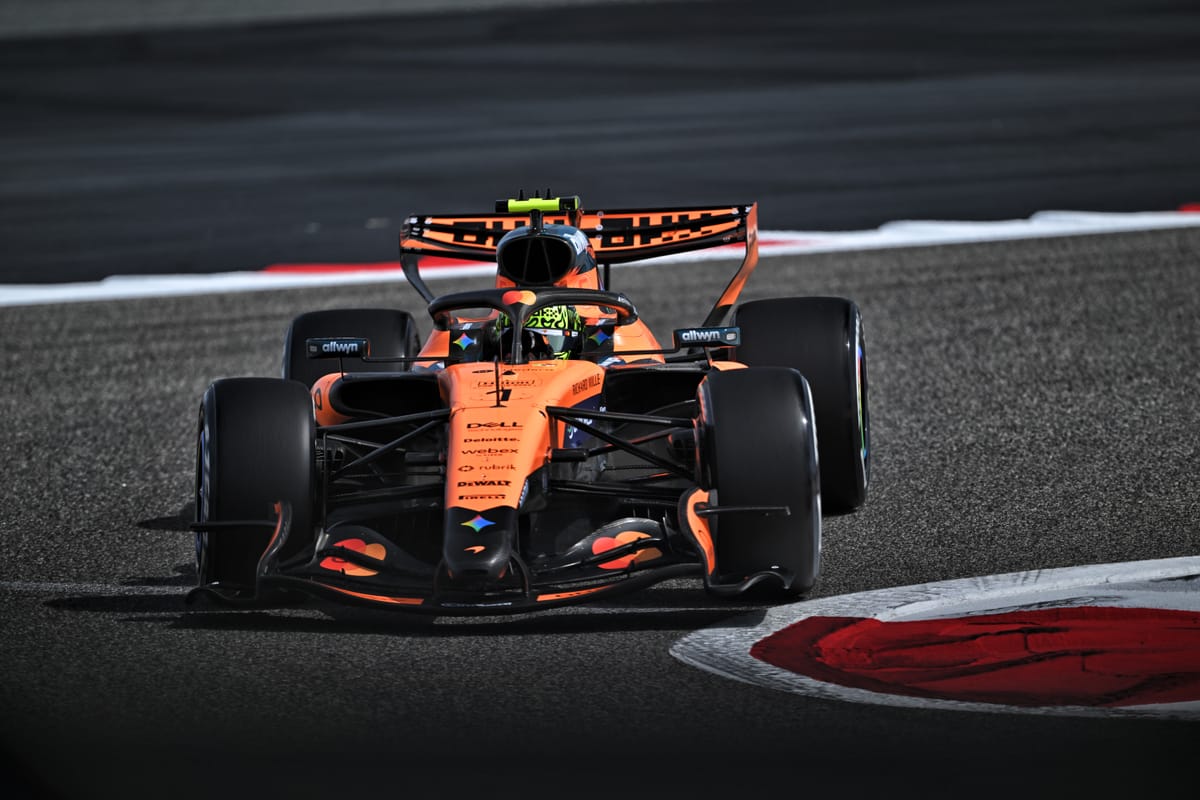
- On Thursday, multiple drivers were seen trying the method. Lando Norris in the McLaren and Alex Albon in the Williams appeared to manage it effectively, while Pierre Gasly's Alpine—which used similar tactics last year—also employed it.
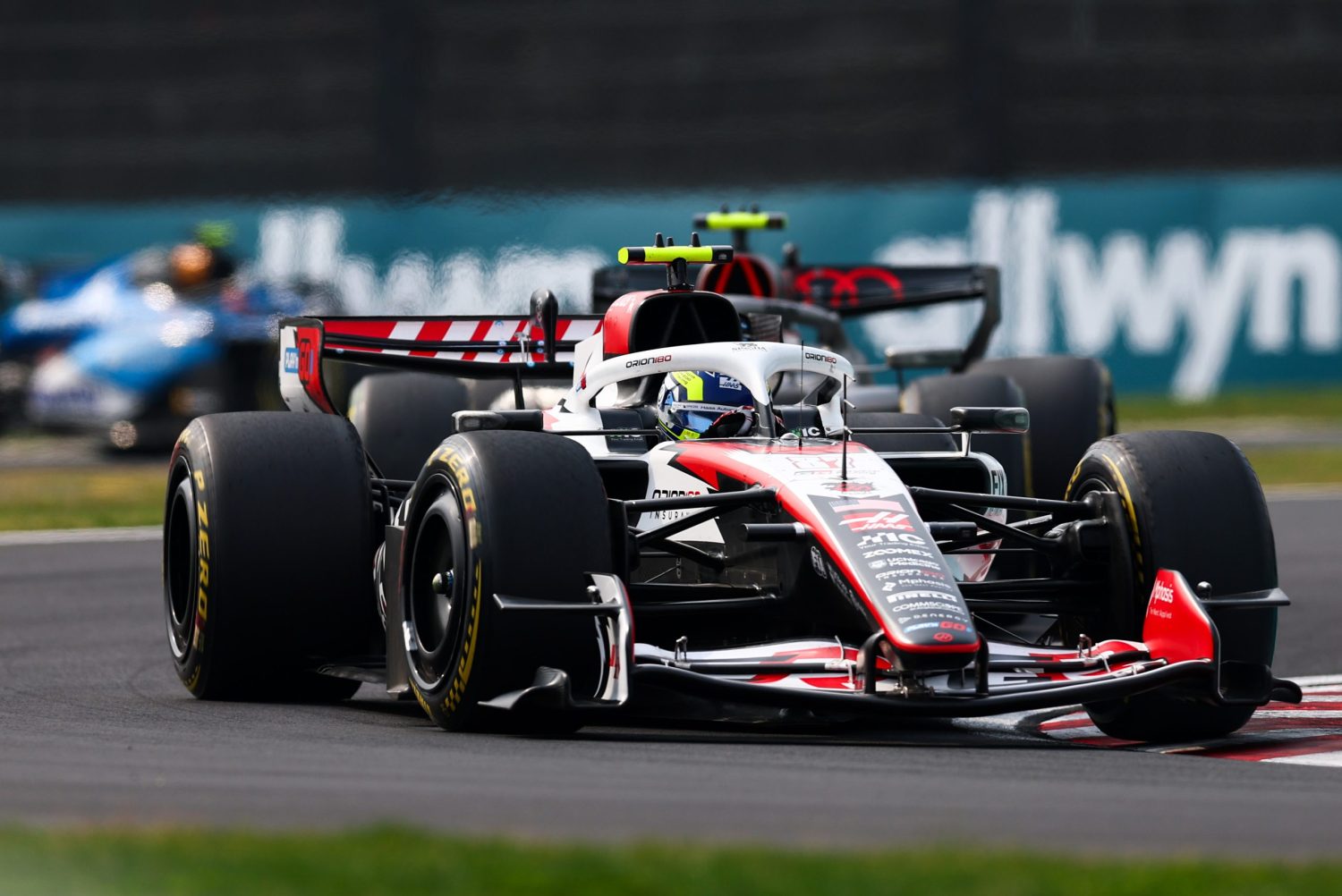
- A clear contrast was visible between executions. The Audi drivers attempted it but with a messier, more aggressive application that made the car harder to control. Liam Lawson in the Racing Bulls (using the same Honda/RBPT engine as Verstappen) also looked less comfortable with the rear instability it triggered.
- Ferrari and Mercedes-engined cars were more conservative. Charles Leclerc tried it only briefly, while the works Mercedes team did not run at all during the relevant session due to an engine issue.
Between the lines:
The scramble to copy reveals two layers of the competitive puzzle: car capability and driver adaptability. Not every car can handle the mechanical stress without losing rear stability, and not every driver can manage the consequent dynamic upset. Carlos Sainz's comments underscore the data-driven, reactive nature of modern testing: teams continuously analyze rivals' GPS data to see what they are doing and why. The key question is whether a team isn't using the technique because they don't need to, or because their package currently cannot.
What's next:
Testing will continue to be a laboratory for these energy management techniques. Teams will refine their approaches based on terabytes of collected data, determining the optimal trade-off between aggressive energy harvesting and car stability. Verstappen and Red Bull have set an early benchmark, but the true test will come in qualifying at the first race, where the ultimate effectiveness of this copied technique—and each team's execution of it—will be laid bare.
Original Article :https://www.the-race.com/formula-1/max-verstappen-f1-2026-technique-downshift-ri...
